


Natural pest management means controlling pests by changing the conditions they need, food, water and shelter, before reaching for a product. Professionals call the full approach integrated pest management, or IPM. This guide explains how IPM works, which natural methods help around North Atlanta homes, where they fall short, and what to ask a pest control company before you hire one.
What Is Integrated Pest Management (IPM)?
IPM is a way of making decisions, not a single product. It’s the standard approach recommended by university extension services, including the University of Georgia, and it follows four steps:
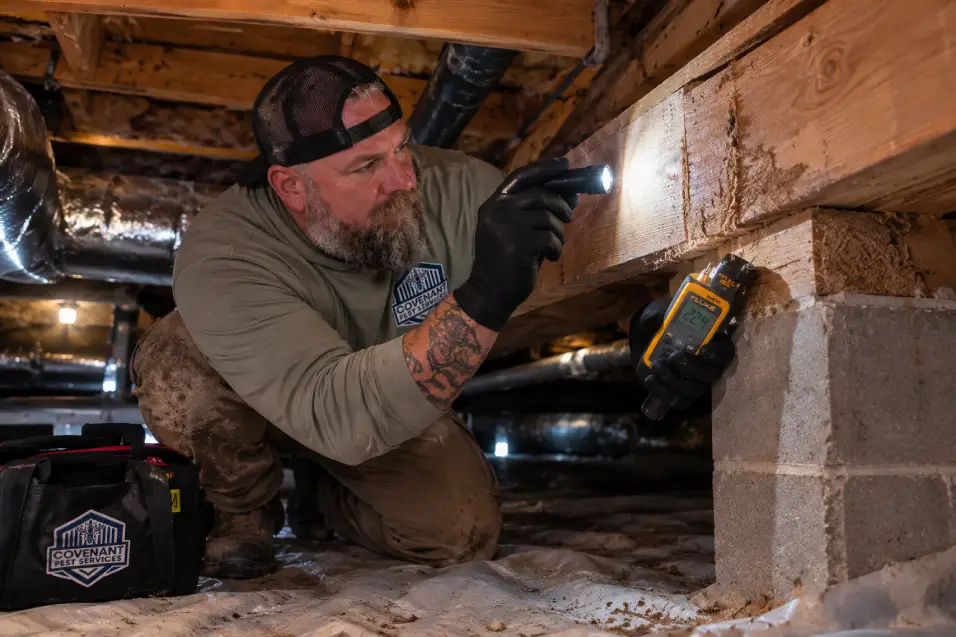
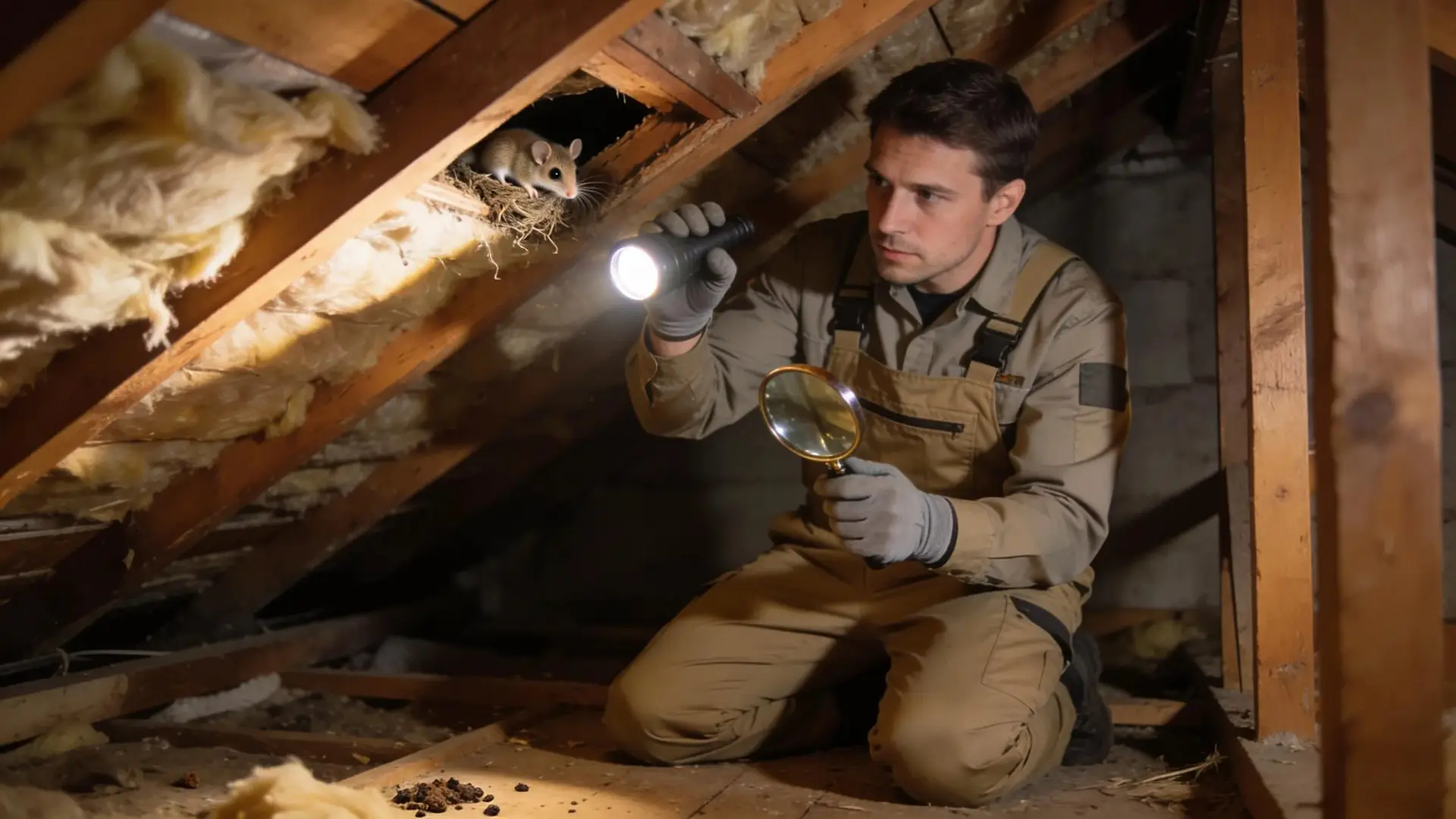
- Inspect and identify. Find out exactly which pest you have and where it’s coming from. Treating the wrong insect wastes time and money.
- Prevent. Seal entry points, fix moisture problems and remove food sources so pests have less reason to stay.
- Monitor. Use sticky traps, bait stations and regular checks to see whether activity is going up or down.
- Treat only where it’s needed. When treatment is necessary, target the nest, the entry point or the harborage instead of spraying everything.
The goal is fewer pests with less product, and results that last because the cause was fixed.
Natural Methods That Actually Help
Most of the “natural” work in IPM is physical and cultural: changing the house and yard so pests can’t move in.
Exclusion
Mice fit through a gap the size of a dime, and many insects need even less. Seal gaps around pipes, cables and vents with caulk, copper mesh or hardware cloth. Add door sweeps, repair torn screens and cover crawl space vents.
Moisture control
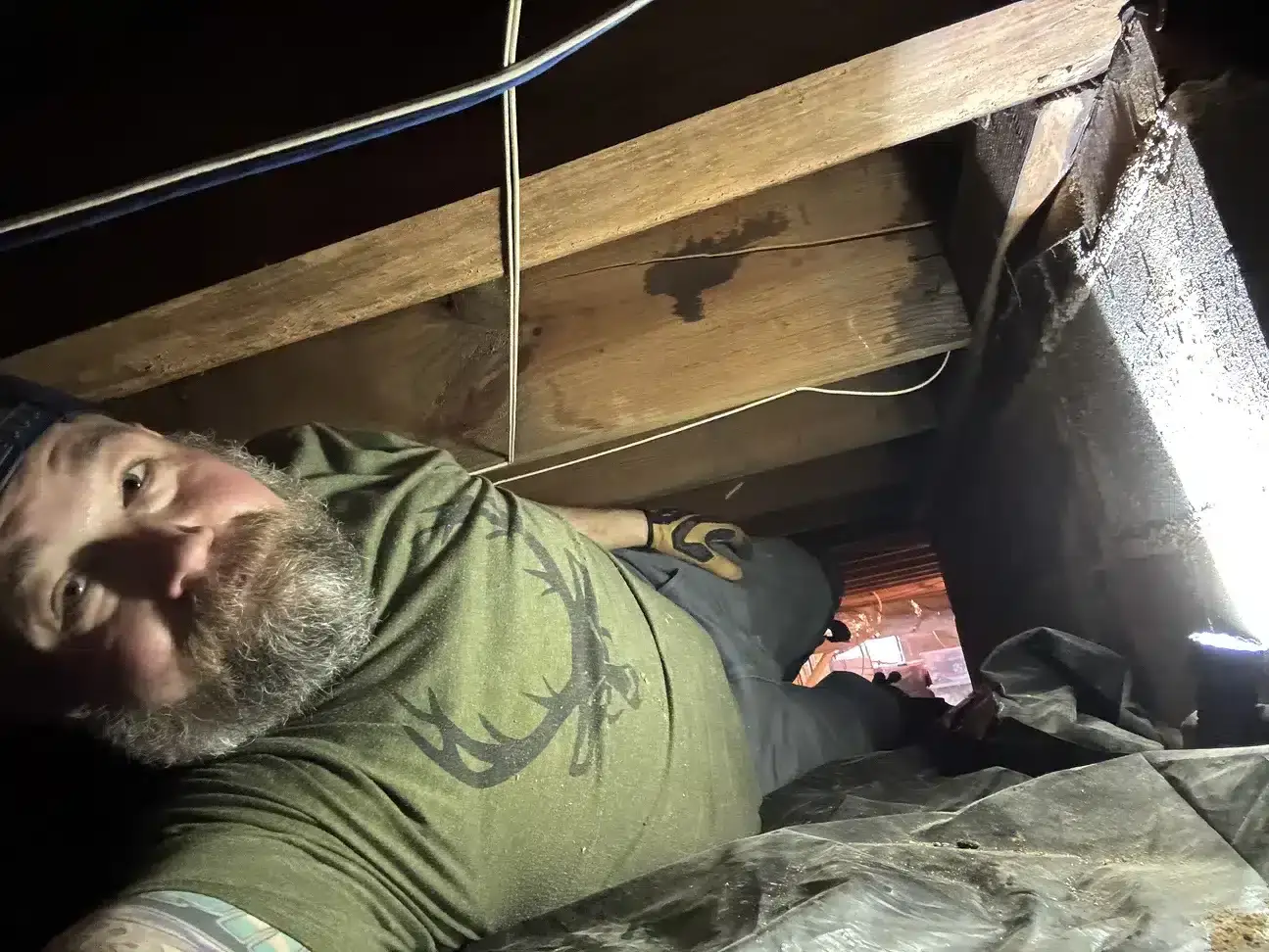
Termites, roaches, millipedes and many ants follow moisture. Keep gutters clean, point downspouts away from the foundation, fix leaky spigots and run a dehumidifier in damp crawl spaces and basements. Red clay holds water, so grading around the house matters more here than in many places.
Yard and landscape changes
- Pull mulch and pine straw a few inches back from the siding.
- Trim shrubs and tree limbs so they don’t touch the house.
- Stack firewood off the ground and away from the foundation.
- Dump standing water weekly to cut mosquito breeding.
Sanitation
Store food and pet food in sealed containers, take trash out regularly and clean under appliances. Roaches and ants can’t stay long without food.
Where Home Remedies Fall Short
Essential oil sprays, vinegar, cinnamon and diatomaceous earth show up in a lot of DIY advice. Some repel insects for a short time, but they rarely reach the colony, the nest or the source. Common problems:
- Misidentification. A remedy for one pest does nothing for another.
- Short-lived results. Repellents wear off in rain and humidity, so the pests come back.
- Hidden activity. Termites in a wall, mice in an attic or a yellowjacket nest in the ground won’t respond to a surface spray.
- Safety. “Natural” doesn’t automatically mean harmless. Some essential oils are toxic to cats and dogs, so read labels and keep products away from pets.
DIY works best for prevention. Once you have an established infestation, wood damage, or animals in the attic, it’s time for a professional inspection.
How Covenant Pest Services Uses IPM
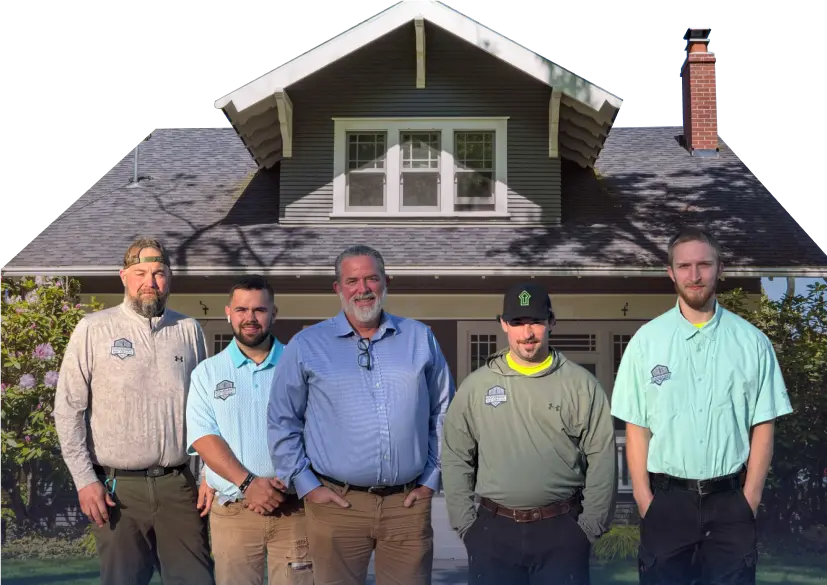
Every plan starts with a full inspection of the house and yard. From there we identify the pest, find the entry points and conditions behind it, and recommend a plan built around your home, with prevention steps you can keep up between visits. Treatment goes where the activity actually is. We serve homes in Acworth, Kennesaw, Woodstock and Marietta. Learn more about our residential pest control and termite control.
Questions to Ask a Pest Control Company
- Will you inspect before you recommend a treatment?
- How will you identify the pest and find where it’s getting in?
- What will you treat, where, and what should I do with kids and pets during and after?
- What exclusion or repair work do you recommend, and is it included?
- How will we know it’s working, and what happens if activity continues?
For more on picking a provider, see how to choose a local pest control service.
FAQ
Is natural pest control as effective as conventional treatment?
Prevention methods like sealing, moisture control and sanitation are the most effective long-term steps you can take. For an active infestation, a targeted treatment is usually still needed. IPM combines both.
Is IPM only for organic or “green” programs?
No. IPM is a decision process that uses the least treatment needed to solve the problem. It applies to any pest control plan.
What’s the first step if I want fewer treatments?
Start with an inspection. Knowing the pest and its entry points tells you what prevention will fix and what actually needs treatment.
Call (678) 820-6848 or request an estimate to schedule an inspection.