


Understanding the complexities of bat colony exclusion in Roswell, Georgia, is essential for homeowners and property managers alike. Not only does it involve compliance with state and federal wildlife laws, but it also requires knowledge of safe and humane removal practices. As the presence of bats can pose health risks and structural challenges, addressing these concerns effectively is paramount. This article will outline critical Georgia laws governing bat removal, detail safe removal processes, and highlight the health risks associated with bat guano. Furthermore, we will discuss the benefits of hiring professional services such as Covenant Pest Services, a faith-based company bringing over 30 years of experience and a commitment to honesty and integrity to every bat exclusion project, and the steps necessary for ensuring long-term prevention of bat infestations.
What Are the Key Georgia Wildlife Laws Regulating Bat Removal in Roswell?
In Georgia, there are crucial wildlife laws protecting bat populations, shaping how property owners must approach removal. The state recognizes bats as beneficial for their role in pest control and pollination, which leads to strict regulations around their management. Property owners are mandated to comply with guidelines that allow for humane treatment and systematic removal.
Which State and Federal Regulations Protect Bats in Georgia?
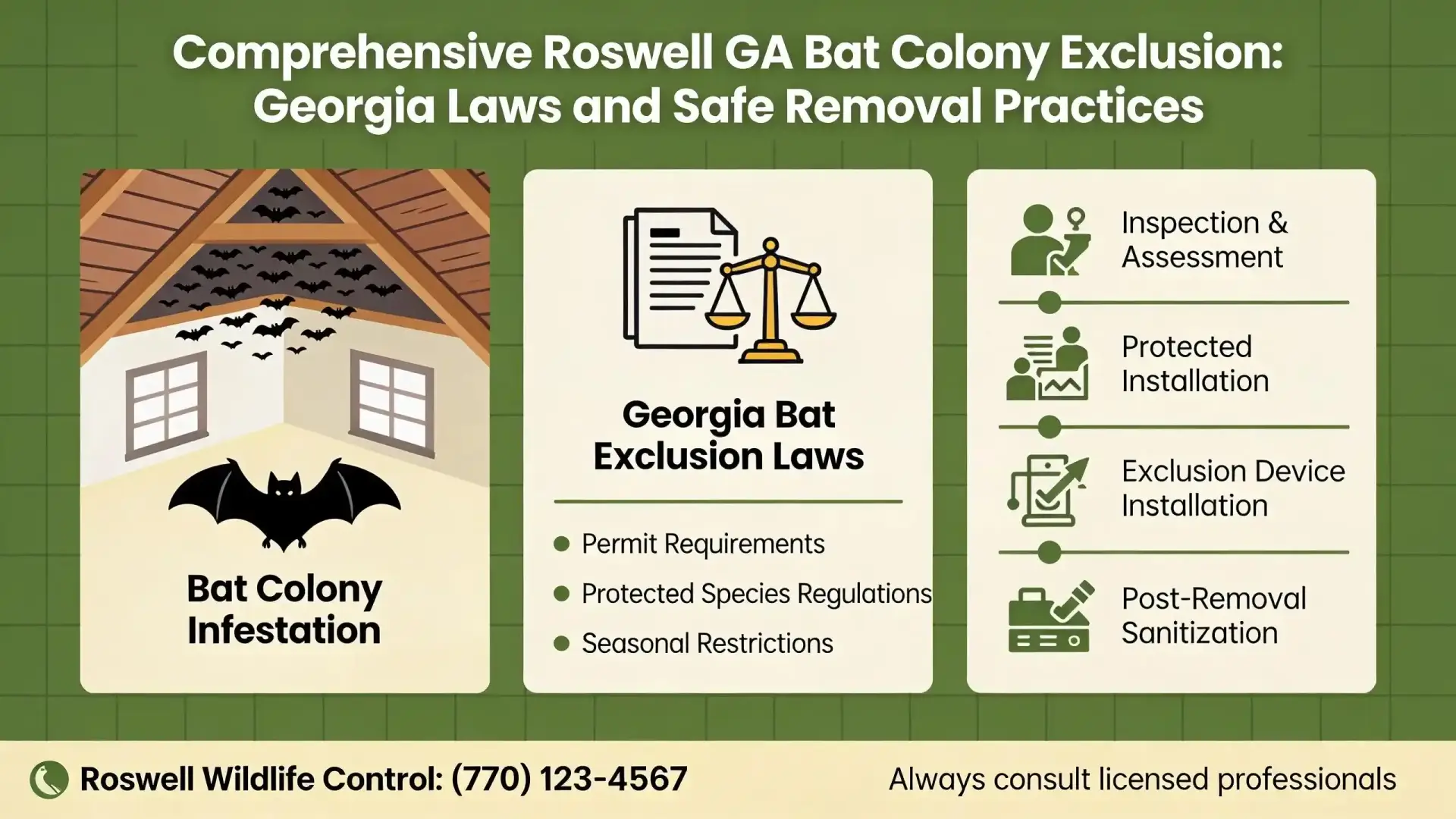
Both state and federal regulations protect bats in Georgia, especially during specific seasons when they are more vulnerable. The federal Migratory Bird Treaty Act and the Georgia DNR guidelines underscore the need for licensed professionals to conduct bat removal. Violating these regulations can lead to fines and legal repercussions. Thus, understanding and adhering to these laws is vital for any bat exclusion effort in Roswell.
How Do Georgia Laws Influence Bat Exclusion Methods in Residential Attics?
Georgia laws entail that all bat exclusion efforts must be humane and compliant with specified practices. For instance, exclusion techniques must be implemented during the non-breeding season to avoid collateral harm to young bats. Additionally, methods that disturb bats, such as using harmful chemicals or traps, are prohibited. This legal framework significantly impacts how homeowners and professionals strategize their approach to bat exclusion from attics.
Expert research emphasizes that physical exclusion methods are significantly more effective and ethical than chemical interventions for managing house-dwelling bats.
Effective Batproofing and House Exclusion Techniques The soundest long-term solution for the management of bats that enter buildings and cause a nuisance problem or present a public health hazard is by batproofing the structure. Chemical toxicants do not solve house bat problems and may create worse ones. This manual describes batproofing techniques that will provide effective and acceptable alternatives for dealing with house bat problems and hazards. House bat management, 1982
How Does the Safe Bat Removal Process Work in Roswell Attics?
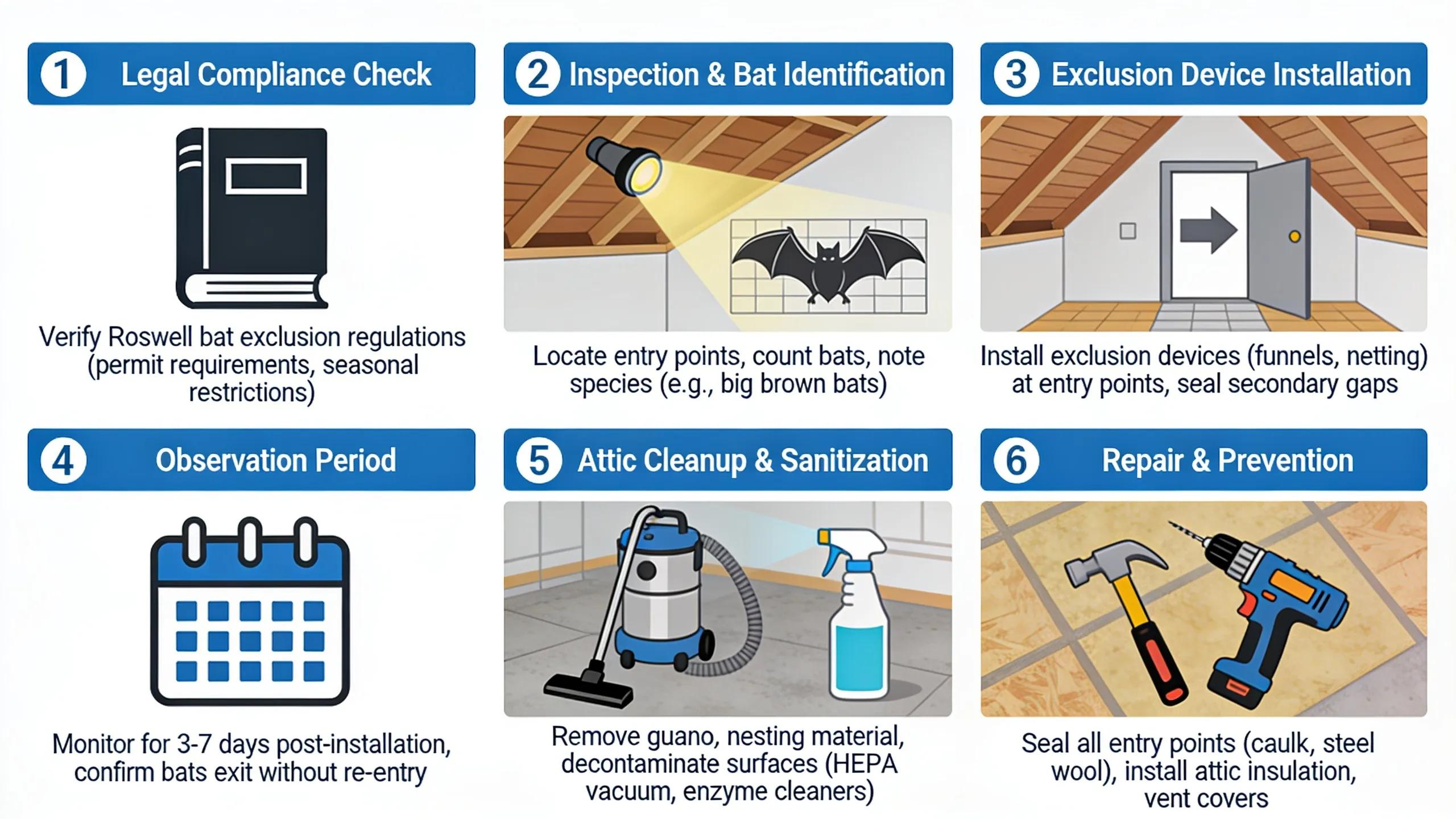
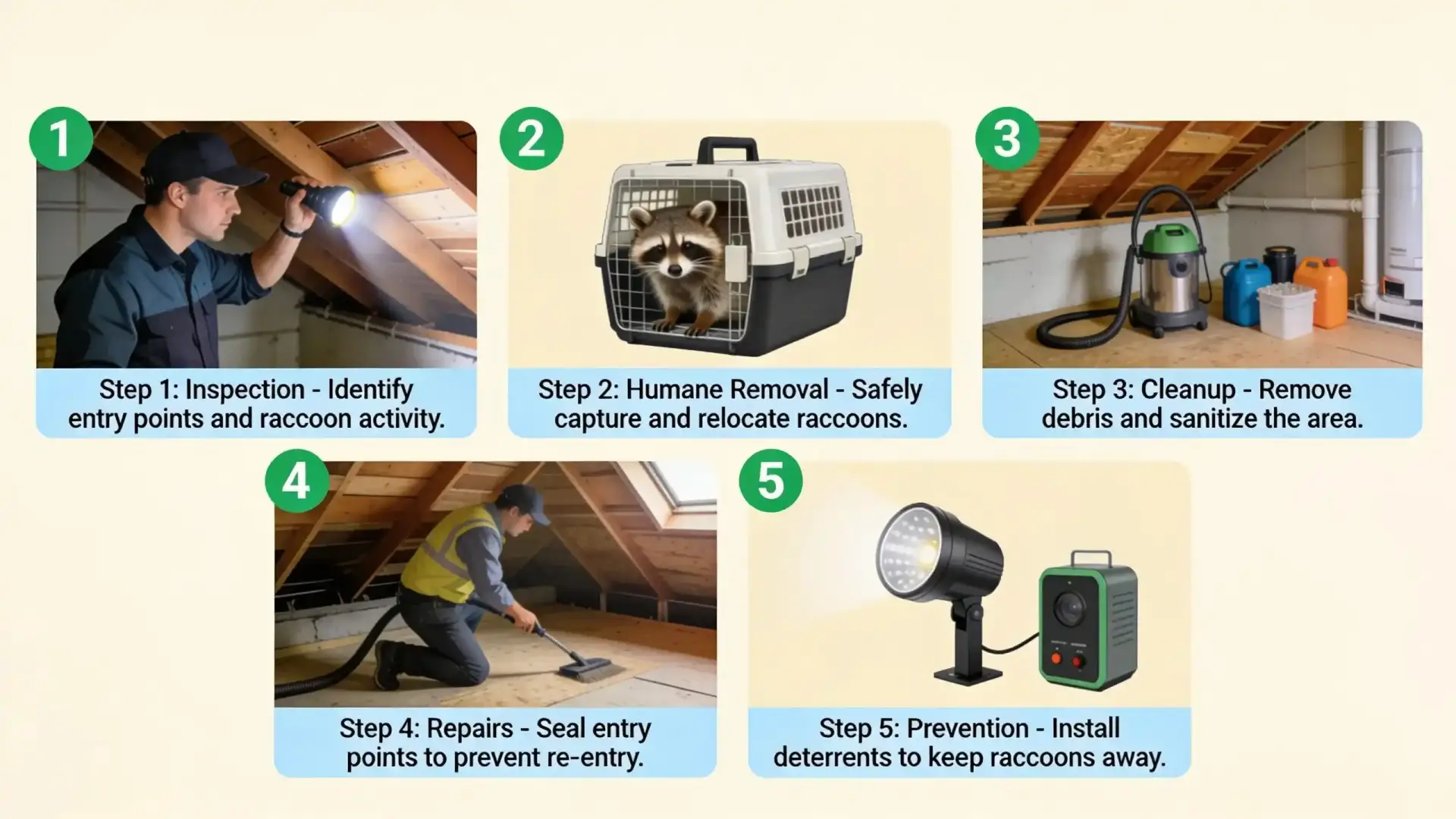
Implementing a safe bat removal process involves multiple steps that prioritize both effectiveness and humane treatment of the bats. The aim is to ensure that bats are excluded from residential spaces without causing them undue harm.
What Are Humane and Eco-Friendly Bat Exclusion Techniques Used Locally?
Humane and eco-friendly exclusion techniques typically include the installation of bat-proofing devices, such as exclusion netting and one-way escape doors. These methods allow bats to exit their roosting areas while preventing them from re-entering. When combined with community education initiatives on bat conservation, these techniques promote a balanced coexistence.
When Is the Best Time for Bat Exclusion Under Georgia Guidelines?
The optimal timing for bat exclusion in Georgia is critical for humane removal. Generally, the best period is late spring to early fall when bats are not actively raising young. This timing helps minimize stress on the animal populations and ensures compliance with Georgia regulations. By aligning exclusion efforts with these guidelines, property owners can effectively manage bat populations while following the law.
What Are the Health Risks of Bat Guano and How Is It Managed Safely?
Bat guano presents several health risks, particularly due to its potential to harbor harmful pathogens. Understanding these risks is essential for safe management and prevention of health hazards.
What Are the Common Diseases Associated with Bat Guano Exposure?
Exposure to bat guano can lead to several health risks, including histoplasmosis and other respiratory illnesses. These diseases are transmitted through inhalation of airborne spores from bat droppings. As guano accumulates, the risk of exposure increases, making it crucial for homeowners to manage guano cleanup effectively.
Recognizing the medical implications of bat infestations is the first step toward maintaining a safe and healthy living environment.
Bat Infestations: Health Risks and Management Strategies During the warmer months of April through October, commensal bats sometimes become a nuisance due to their colonial habits and resultant odors, noises, guano deposits, and associated aesthetic and economic damages. Bat ectoparasites and at least one fungal disease, histoplasmosis, are of some medical import and the observation of bats flying about a residence is frequently disturbing to the human occupants. Bats in human dwellings: health concerns and management, 1983
How Are Attics Cleaned and Sanitized After Bat Removal?
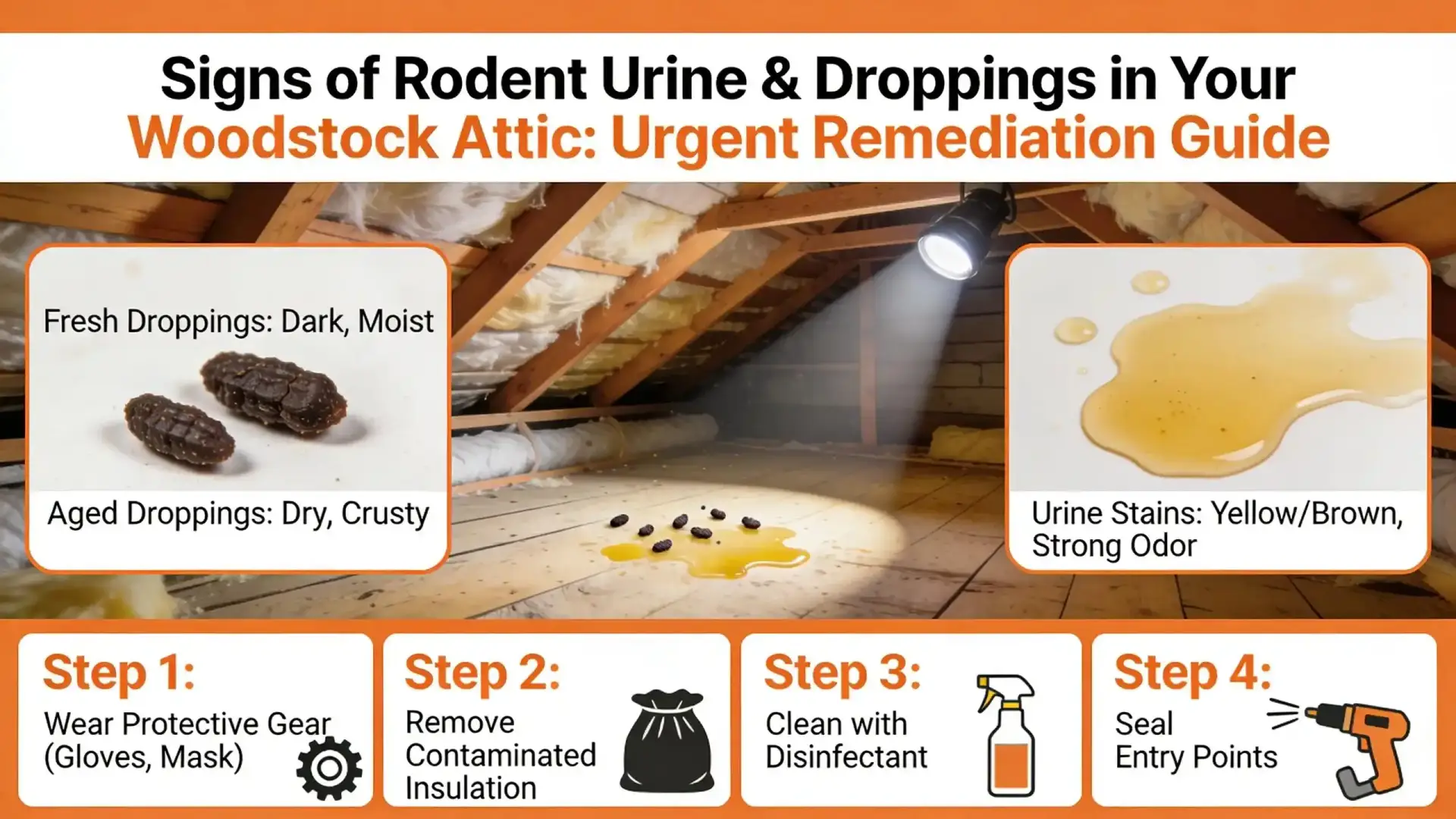
After successful bat removal, thorough cleaning and sanitizing of the attic is imperative. This process typically includes the safe removal of guano, followed by the application of disinfectants to eradicate pathogens. Professional services often employ specialized techniques to ensure that the attic is free from contaminants and to prevent future infestations.
How Can Homeowners and Businesses Benefit from Professional Bat Exclusion Services in Roswell?
Utilizing professional bat exclusion services offers numerous advantages for both homeowners and businesses in Roswell. These professionals possess the expertise and tools necessary to ensure that bat exclusion is handled effectively and within the bounds of the law.
What Makes Covenant Pest Services a Trusted Bat Removal Partner?
Covenant Pest Services is recognized for its commitment to effective and humane bat exclusion, grounded in over 30 years of experience and a faith-based promise to do what’s right for every customer. Their knowledge of local regulations, combined with a focus on customer satisfaction and community values, ensures that property owners can rely on their expertise. Positive testimonials highlight their successful interventions and thorough approach to bat management in Roswell.
How Do Customized Bat Exclusion Packages Protect Roswell Properties?
The customized bat exclusion packages offered by Covenant Pest Services tailor solutions to the unique needs of each property. These services not only address the immediate bat issue but also implement preventive measures to safeguard against future infestations. By investing in these professional services, property owners can enhance their peace of mind while protecting their homes or businesses.
What Steps Are Involved in Attic Repair and Prevention After Bat Colony Exclusion?
Post-exclusion, securing the attic against future bat colonies is crucial. This involves sealing potential entry points and repairing any damage caused by the presence of bats.
How Are Entry Points Sealed to Prevent Future Bat Infestations?
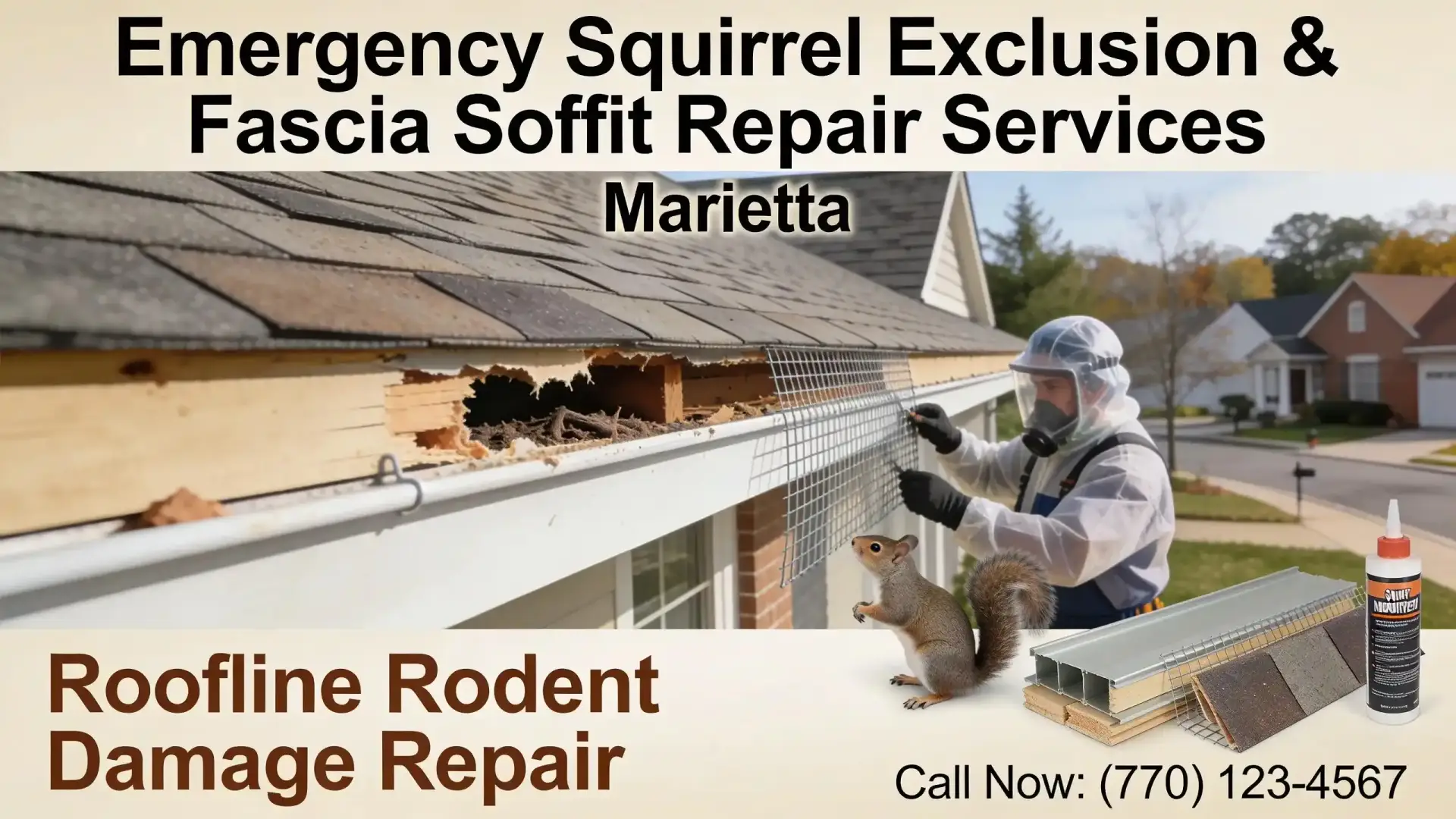
Preventing future bat infestations begins with identifying and sealing entry points. Common materials used for this purpose include steel mesh and durable caulking to effectively block gaps and holes. Regular inspections post-exclusion help ensure these barriers remain intact.
What Attic Repairs Are Typically Required After Safe Bat Removal?
After the safe removal of bats, several repairs are usually needed to restore the attic’s condition. This may include replacing damaged insulation, repairing structural voids, or repainting areas contaminated by guano. Engaging professionals for this process ensures that repairs meet safety standards and prevent re-infestation.
How Do Commercial and Residential Bat Exclusion Services Differ in Roswell?
Both commercial and residential bat exclusion services require tailored approaches due to their unique challenges and requirements.
What Unique Considerations Apply to Commercial Bat Colony Removal?
Commercial properties face distinct challenges in bat removal, including the need for minimal disruption to business operations. Professional services prioritize efficiency and compliance while ensuring that safety protocols adhere to both health regulations and animal welfare standards.
How Are Residential Bat Problems Addressed Differently in Local Attics?
In residential scenarios, the emotional aspect of homeownership calls for a more personalized approach. Homeowners often seek compassionate removal strategies that prioritize the safety of both animals and residents. The customer service aspect of residential services plays a critical role in addressing specific homeowner concerns during the bat exclusion process.