


Raccoons can cause significant damage to homes in North Atlanta, particularly when they invade attics for shelter. These nocturnal animals pose not only a threat to your property but also potential health risks due to their harmful waste. This guide will offer insights into humane raccoon trapping methods, entry point repairs, and preventive measures to keep these critters away. Understanding the intricacies of raccoon behavior and effective control techniques can help homeowners take proactive steps. Throughout the article, we will touch on why Covenant Pest Services stands out as an expert in humane trapping and repair solutions.
How Does Humane Raccoon Trapping Protect Your North Atlanta Property?
Humane raccoon trapping is crucial for protecting both homes and inhabitants. This method prioritizes the ethical treatment of wildlife, ensuring that raccoons are handled without harm. Trapping minimizes property damage while addressing health concerns associated with raccoon infestations. Moreover, humane methods promote sustainable practices by allowing for the safe relocation of these animals rather than lethal control, which can disrupt local ecosystems. By utilizing humane traps, homeowners can effectively safeguard their properties without compromising on animal welfare. Understanding these strategies reinforces the importance of contacting experts like Covenant Pest Services for assistance tailored to the unique challenges posed by raccoon invasions.
What Are the Best Humane Methods for Raccoon Removal?
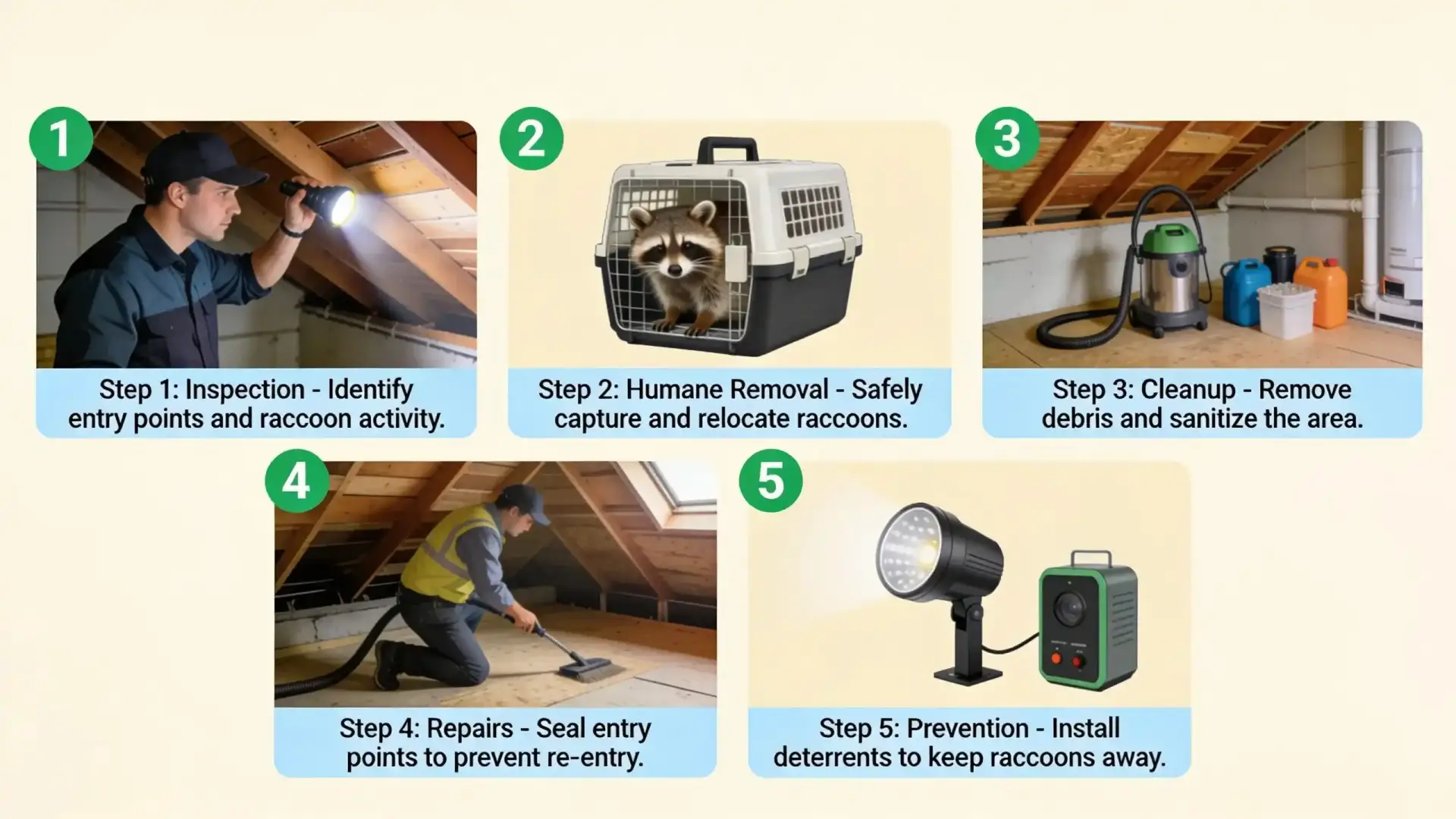
There are several well-regarded methods for the humane removal of raccoons, each focusing on minimizing stress for the animals while effectively resolving the problem.
- Live Traps: These devices capture raccoons without injuring them, enabling safe removal to designated areas away from residential zones.
- One-Way Doors: This solution allows raccoons to exit but prevents their return to the attic.
- Baited Traps: Utilizing appealing bait, such as cat food or marshmallows, effectively lures raccoons into traps.
Necessary Tools
For effective humane raccoon trapping, specific tools are essential:
- Live Traps: Designed to capture raccoons safely without causing harm.
- Baiting Supplies: Items like cat food or peanut butter help attract raccoons into traps.
- Inspection Equipment: Flashlights and cameras assist in locating potential entry points during inspections.
Knowledge of these tools and methods is vital for effective raccoon control and ensuring a humane approach to wildlife management.
Why Choose Humane Trapping Over Lethal Control in North Atlanta?
Choosing humane trapping over lethal control has significant ethical and ecological implications. Humane methods help maintain the balance of local wildlife populations while preventing the potential spread of diseases associated with raccoon carcasses. Moreover, humane trapping fosters community ethics regarding wildlife management, ensuring that animals are treated fairly and given a chance to thrive outside human-inhabited areas. This approach not only alleviates immediate problems but also supports long-term coexistence strategies with local wildlife. Engaging with pest control professionals like Covenant Pest Services ensures compliance with these humane practices.
How to Identify and Inspect Raccoon Entry Points in Your Attic?
Identifying potential entry points for raccoons is essential for effective management and prevention. Homeowners should regularly inspect their attics and surrounding areas. Key signs to look for include:
- Damaged Roofs: Missing or loose shingles can create entry points.
- Ventilation Openings: Unprotected vents can allow raccoons easy access.
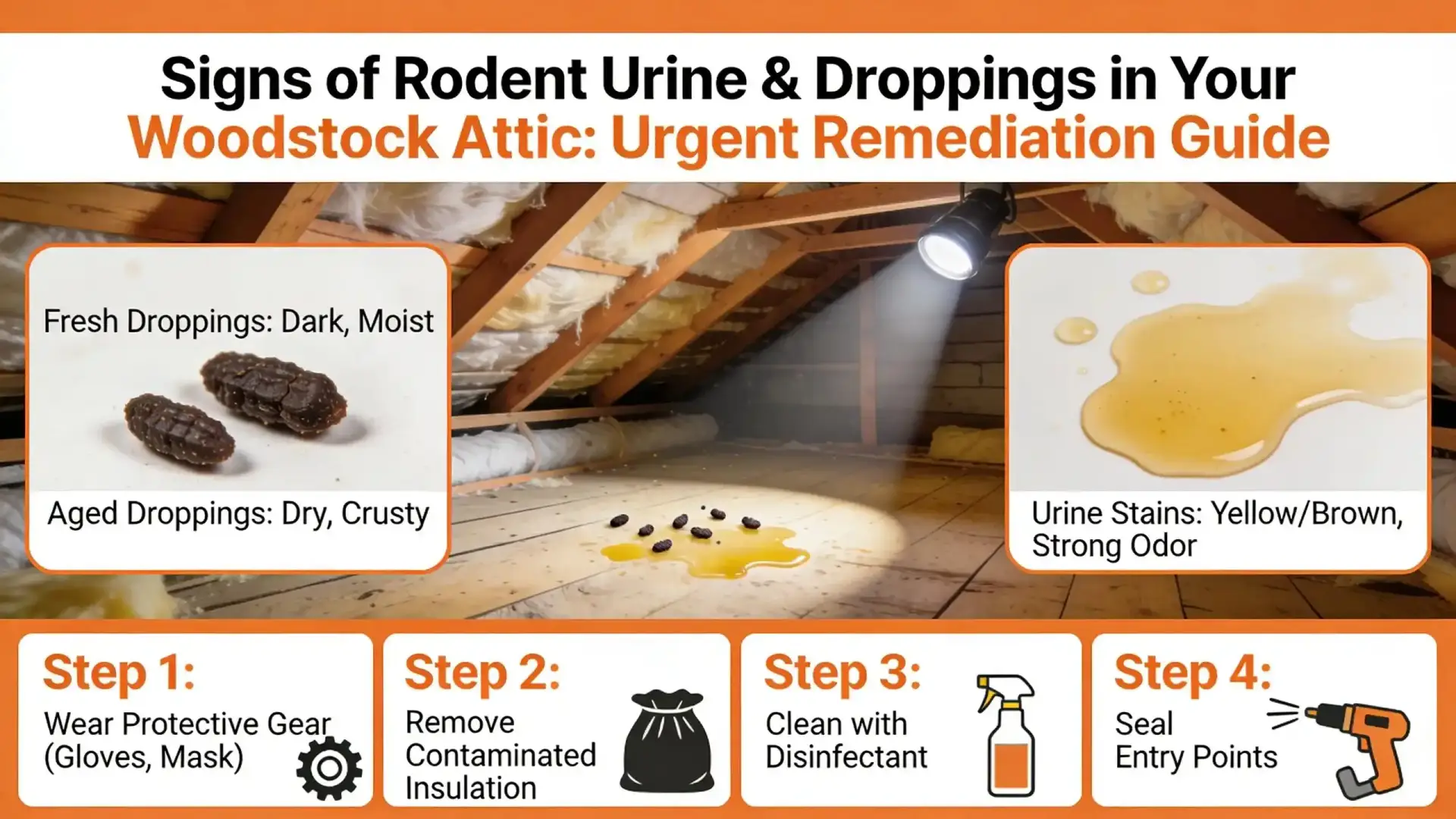
- Signs of Nesting: Look for feces or shredded materials indicating nesting behavior.
Timely inspections can prevent a raccoon infestation and safeguard your home.
What Are Signs Indicating a Raccoon Attic Infestation in North Atlanta Homes?
Identifying a raccoon infestation early is crucial for effective treatment and prevention. Homeowners should be alert to various signs indicating an infestation, including:
- Nocturnal Noises: Distinct sounds in the attic, especially at night, are often the first indicators of raccoon activity.
- Droppings: Raccoon feces can often be found near entry points, resembling large, oval-shaped pellets.
- Damage: Chewed wires, insulation, or vent screens showcase raccoon intrusion.
Recognizing these signs early provides homeowners the opportunity to engage pest control services before the situation escalates.
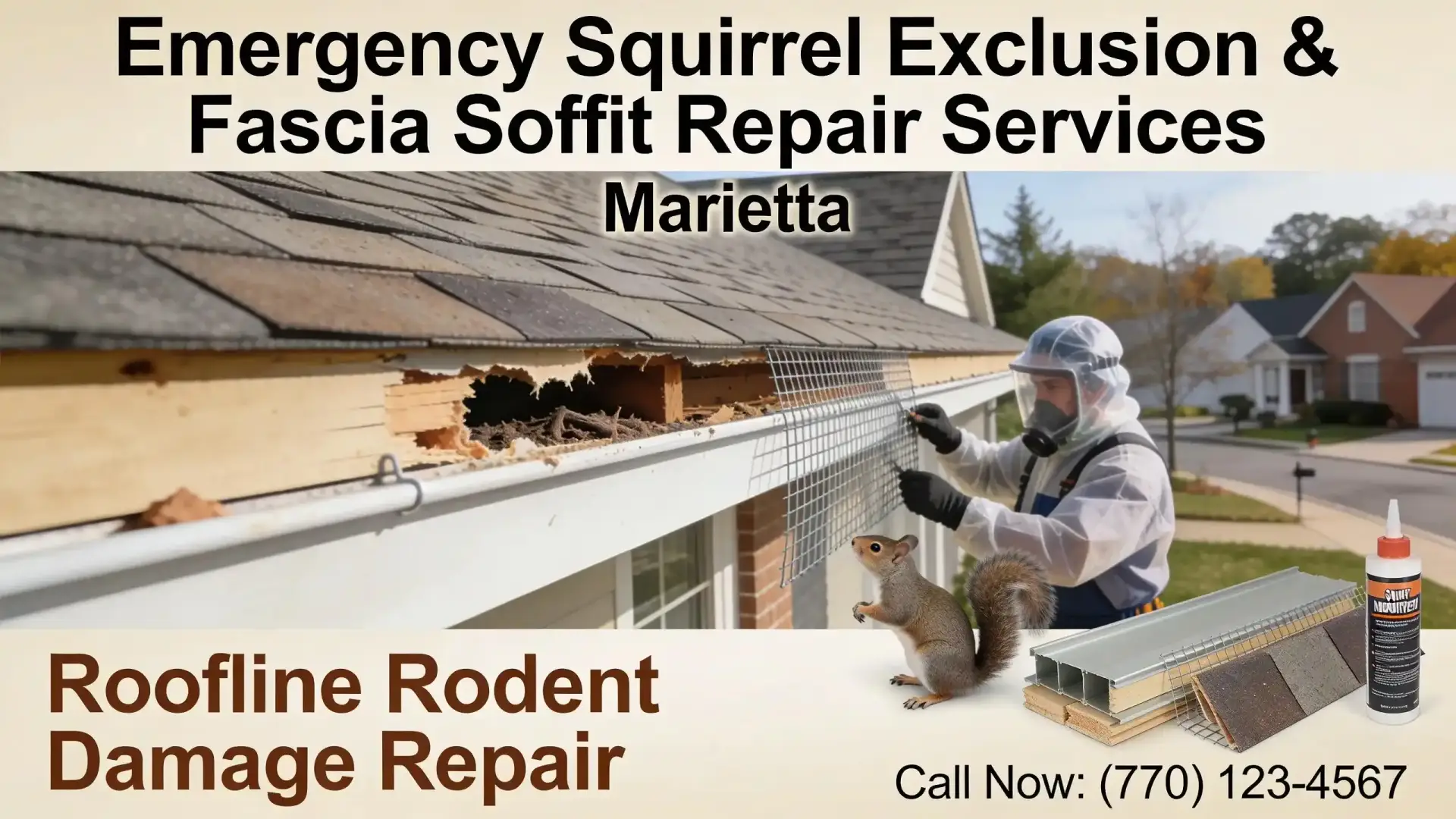
What Are Effective Entry Hole Repair Techniques to Prevent Raccoon Re-Entry?
After successfully removing raccoons, securing entry points is vital to prevent future invasions. Effective techniques for sealing entry holes include:
- Metal Flashing: Covering holes with metal strips can prevent further access by raccoons and other wildlife.
- Wire Mesh: Installing sturdy wire mesh over ventilation openings deters animals while permitting airflow.
- Sealants: High-quality sealants can fill cracks and gaps around potential entry points.
Implementing these techniques ensures that formerly vulnerable areas of your home remain protected from future raccoon activity.
How Does Entry Hole Exclusion Protect Your Home Long-Term?
Excluding entry holes not only protects homes in the short term but also offers several long-term benefits for property integrity:
- Cost Savings: Preventing future infestations minimizes repair costs associated with wildlife damage.
- Health Protection: Securing entry points reduces risk factors associated with raccoon-related diseases.
- Property Value Preservation: Maintaining a raccoon-free home enhances overall property value and appeal.
These benefits underscore the importance of professional assessment and repairs by experienced providers such as Covenant Pest Services.
What Preventative Measures Help Maintain Raccoon-Free Attics in North Atlanta?
Preventative measures are essential in maintaining raccoon-free conditions in attics. Homeowners should consider implementing the following strategies:
- Regular Inspections: Conduct periodic checks to identify potential vulnerabilities around the property.
- Secure Garbage: Ensure trash containers have tight-fitting lids to discourage foraging raccoons.
- Remove Attractants: Eliminate any food sources or nesting materials near attics and yards.
Adopting these strategies creates an unwelcoming environment for raccoons, helping to reduce the likelihood of future invasions.
Which Wildlife Control Practices Reduce Future Raccoon Infestations?
Employing comprehensive wildlife control practices can significantly lower the risk of future raccoon infestations. Key practices include:
- Education: Understanding raccoon behaviors and habits enables homeowners to take preventive measures.
- Community Engagement: Collaboration with neighbors promotes shared strategies for managing local wildlife concerns.
- Professional Intervention: Engaging skilled pest control services for regular check-ups and maintenance ensures ongoing support in addressing wildlife issues.
Incorporating these practices contributes to a broader community commitment to responsible wildlife management.
How Can Homeowners Monitor and Maintain Attic Integrity?
Homeowners should establish a routine for monitoring and maintaining attic integrity as part of ongoing property care. Steps for effective monitoring include:
- Scheduled Inspections: Rotate inspections every few months to identify any signs of raccoon re-entry.
- Evaluate Insulation: Regularly check insulation condition and replace what’s damaged.
- Seal Cracks Promptly: Address any gaps immediately to maintain airtight conditions against wildlife.
These actions help ensure long-term attic integrity and keep unwanted animals at bay.
What Are Local Regulations and Compliance Guidelines for Wildlife Control in North Atlanta?
It is essential for homeowners to be aware of local regulations and compliance guidelines when addressing wildlife control issues. Relevant laws around raccoon management include:
- Licensing Requirements: Professionals must adhere to specific licensing standards for wildlife control when handling raccoons.
- Reporting Obligations: Residents should report any raccoon sightings if they suspect disease transmission or environmental concerns.
- Community Guidelines: Local ordinances may dictate specific humane practices that must be followed in North Atlanta.
Engaging with knowledgeable services like Covenant Pest Services ensures compliance with these regulations while effectively managing wildlife challenges.
How Does Covenant Pest Services Adhere to North Atlanta Wildlife Control Laws?
Covenant Pest Services is committed to upholding North Atlanta’s wildlife control laws through stringent adherence to humane practices. The company prioritizes:
- Humane Trapping Methods: Utilizing the latest trapping technology to ensure raccoons are captured without injury.
- Regulatory Compliance: Staying updated on local wildlife regulations to maintain the highest standards of wildlife management.
- Community Education: Providing resources to inform residents about legal responsibilities and effective prevention strategies.
These commitments ensure that Covenant Pest Services can effectively assist homeowners while promoting ethical wildlife control solutions.
Why Trust Covenant Pest Services for Humane Raccoon Removal and Repair in North Atlanta?
With extensive experience in wildlife control, Covenant Pest Services stands as a trusted provider for humane raccoon removal and repair. Their strengths lie in:
- Expertise in Humane Methods: Professionals are equipped with knowledge of best practices for safe and effective raccoon control.
- Community Commitment: The organization is dedicated to serving the North Atlanta community with integrity and transparency.
- Comprehensive Services: From initial inspections to repairs, Covenant offers a full spectrum of solutions tailored to customer needs.
These factors make Covenant Pest Services a reliable choice for addressing wildlife concerns in residential settings.
How to Schedule a Professional Raccoon Removal and Attic Repair Service?
Homeowners should consider scheduling professional pest control services to address raccoon issues effectively. Here are steps to take:
- Contact Covenant Pest Services: Reach out via the provided phone number (678) 437-1234 to discuss your specific situation.
- Schedule an Inspection: Arrange for a comprehensive inspection of your home to identify entry points and signs of infestation.
- Receive a Quote: Obtain a detailed estimate outlining recommended services.
For more educational resources, browse our latest blogs about maintaining a safe and pest-free home. Taking these steps can lead to timely and effective solutions for raccoon infestations, ensuring peace of mind for homeowners in North Atlanta.