


Rodent urine and droppings are urgent indicators that require immediate attention, especially when found in your attic. Recognizing these signs is crucial for maintaining a healthy living environment and preventing potential health risks associated with rodent infestations. This guide is designed to provide homeowners with the necessary information to identify these signs and understand the urgent need for remediation. Readers will learn about the various indicators of rodent activity, health implications, and the importance of professional cleanup services. In the upcoming sections, we will cover specific signs such as droppings, gnaw marks, unusual noises, and odors, along with best practices for pest control and the steps for effective cleanup.
To identify signs of rodent urine and droppings in a Woodstock attic, look for the following indicators:
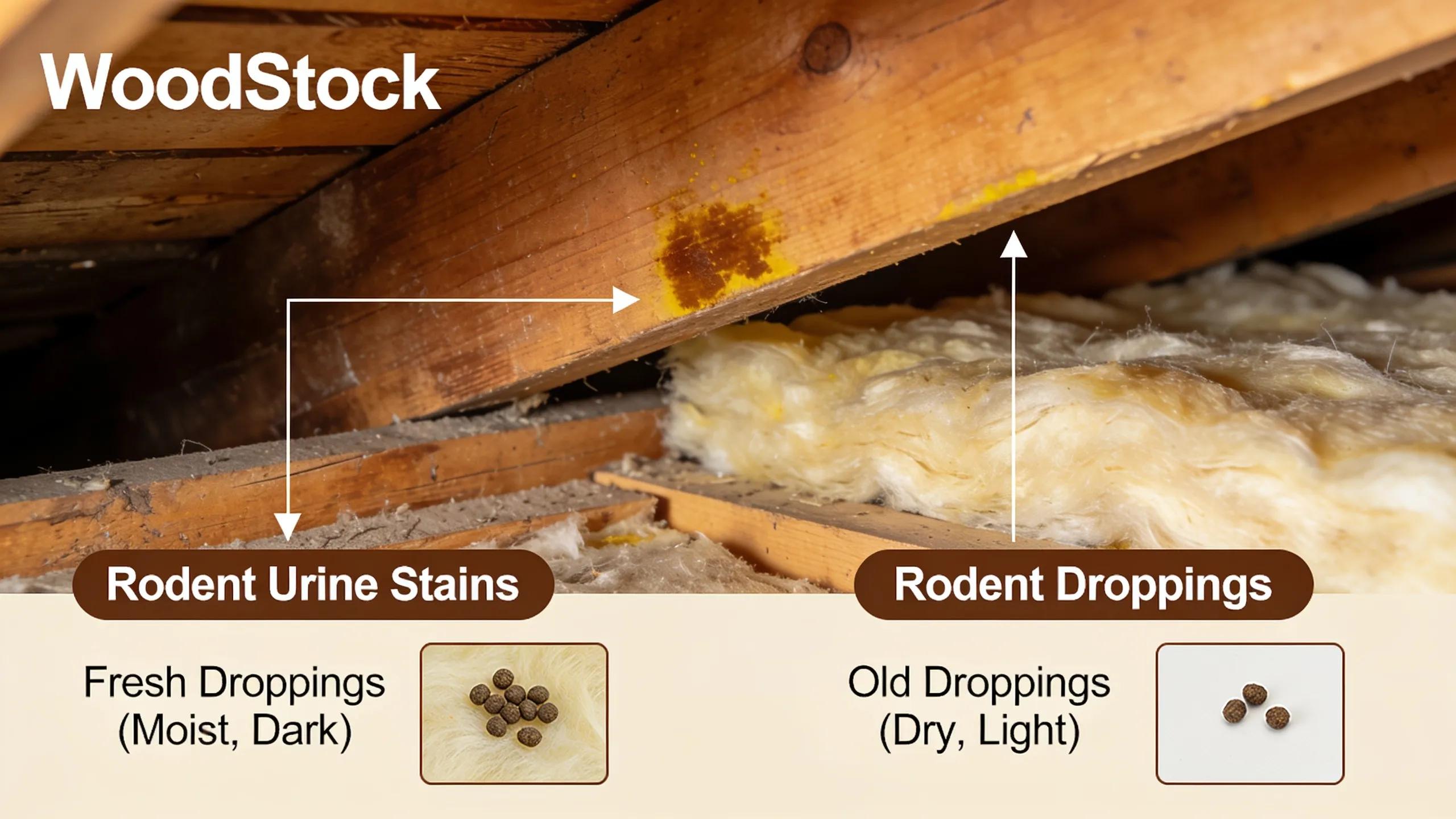
Recognizing the signs of rodent presence in your attic is essential for both immediate action and preventive measures. Here are key indicators to watch out for:
Droppings
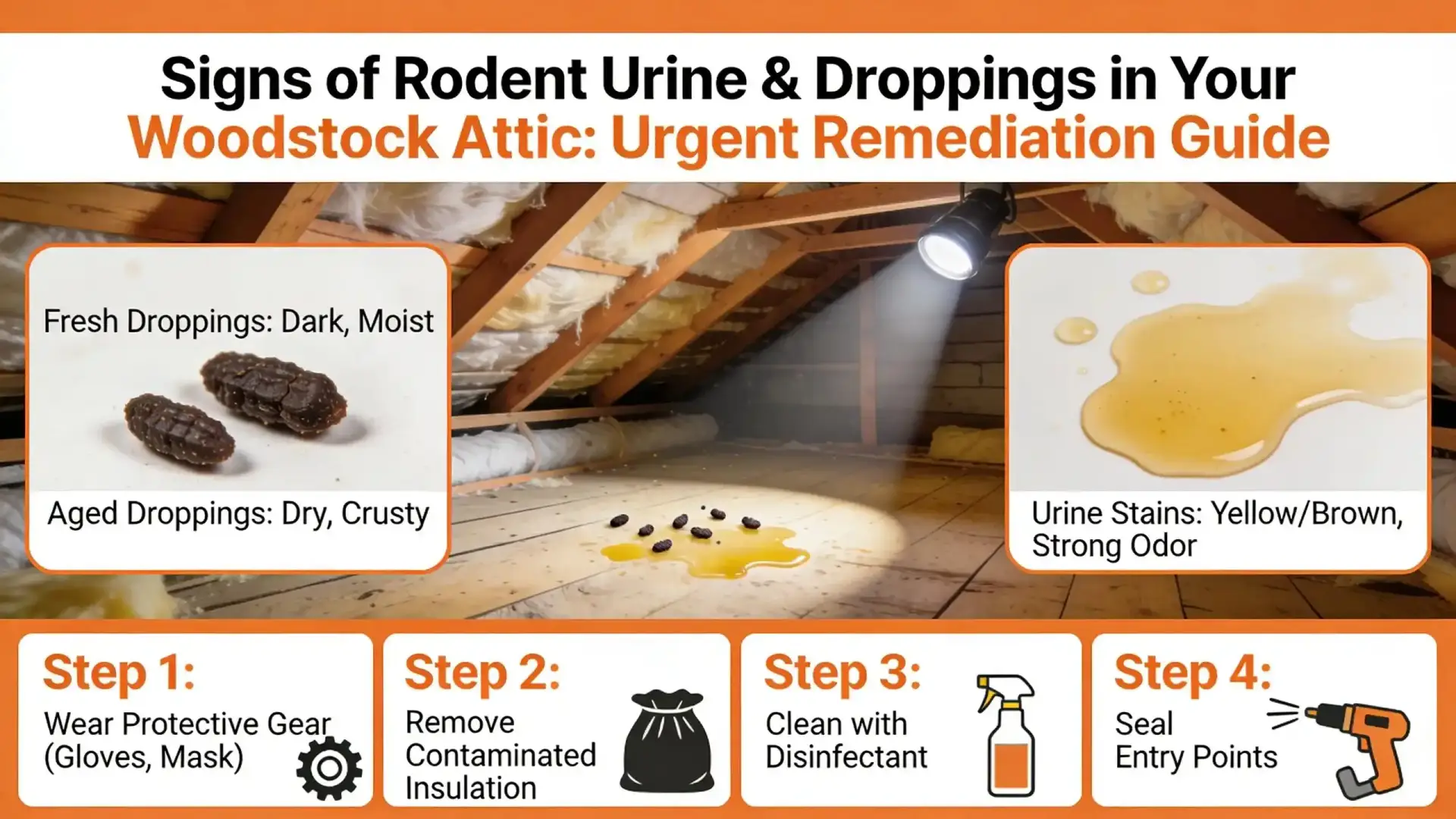
Rodent droppings are often one of the first signs of an infestation. These droppings can vary in size and shape depending on the type of rodent. Typically, mouse droppings are small, about the size of a grain of rice, whereas rat droppings are larger, resembling dark pellets. Droppings can be found scattered throughout the attic, especially around potential nesting sites.
Gnaw Marks
Gnaw marks in your attic are another indicator of rodent activity. Rodents have continuously growing teeth, necessitating frequent gnawing to keep them trimmed. Look for chew marks on wooden beams, insulation, and stored items. The type of material chewed can often provide insight into the species of rodent present.
Unusual Noises
Unusual noises coming from the attic, particularly during the evening or at night, may suggest rodent activity. Scratching, scurrying, or squeaking sounds are common indications that rodents are present. Attics often provide a quiet, undisturbed environment for these animals, making them an ideal nesting location.
Odors
A strong, musky odor is often associated with rodent infestations. This smell is primarily due to their urine and droppings, which can lead to unhealthy air quality in the home. Any unusual or persistent odors in the attic may indicate it is time to investigate further for potential rodent issues.
Urgency of Remediation
Remediating rodent infestations is critical not only for your health but also for the structural integrity of your home. The longer rodent droppings and urine remain untreated, the higher the risk of disease transmission and property damage. It’s paramount to act quickly to prevent these risks from escalating.
Understanding the severe health complications associated with rodent presence is a foundational step in prioritizing home safety.
Rodent Control Essentials: Managing Infestations and Health Risks However, the recent appearance of Hantavirus (Sin Nombre Virus, Hantavirus Pulmonary Syndrome, HPS) in the Western states has re-awakened the public to the serious health problems posed by rodents and has prompted new inquiries into more effective ways to manage infestations. This manual is designed as a training reference for making rodent control in buildings an attainable goal. — Rodent Exclusion Techniques, 1997
Best Practices for Safe Pest Control
Effective pest control strategies are essential for identifying and resolving rodent problems in your attic. Here are some best practices:
- Seal Entry Points: All cracks and gaps in the attic should be sealed to prevent rodents from entering.
- Maintain Cleanliness: Regularly cleaning the attic helps eliminate potential nesting materials and food sources for rodents.
- Use Traps Effectively: When signs of rodents are found, traps should be placed in areas where droppings or damage is evident.
Implementing structural integrity improvements is the most effective way to ensure long-term protection against future rodent incursions.
Effective Rodent-Proofing Strategies for Residential Buildings The most effective means of limiting rodent damage is rodent-proof construction. New buildings should be designed and built to prevent rodent entry. Rodent-proofing is a good investment. Designing and constructing a rodent-proof building is less expensive than adding rodent-proofing later. Nevertheless, poor maintenance or management practices, such as leaving entry doors and unscreened windows open, will make the best-constructed building susceptible to rodent entry. — Rodent-proof construction and exclusion methods, RM Timm, 1994
| Strategy | Effectiveness | Best Practices |
|---|---|---|
| Sealing Entry Points | High | Inspect joints, vents, and exhaust systems |
| Cleaning Regularly | Moderate | Keep food storage organized and waste managed |
| Trap Usage | High | Utilize snap traps or bait stations as needed |
Professional Cleanup Importance
When rodent contamination occurs, professional cleanup is crucial for ensuring thorough decontamination and safe removal of droppings and urine. This process not only addresses health hazards but also restores the home to a safe and livable condition.
What Are the Common Signs of Rodent Urine and Droppings in Attics?
Identifying rodent urine and droppings is pivotal in controlling infestations effectively.
Visual Indicators
Visual signs include droppings, gnaw marks, and nests. Each type of evidence can offer different insights into the extent of the infestation and potential species involved.
Odor Characteristics
Distinct musty odors can hint at rodent activity, primarily from the accumulation of urine and droppings. Understanding the significance of these odors is critical for timely remediation.
Potential Health Risks
Rodent urine and droppings can harbor dangerous pathogens, increasing the risk of illness among household members. Diseases such as hantavirus, leptospirosis, and salmonella may arise from unclean environments contaminated by these rodents.
How to Identify Rodent Droppings and Their Characteristics
Proper identification of droppings is vital for determining the rodent type and infestation extent.
Rodent Types
Different rodents leave distinct droppings—mice, rats, and squirrels each have unique sizes and shapes. Knowing these differences can help homeowners assess the situation more efficiently.
Collection Locations
Droppings are typically found in areas where rodents travel frequently, such as along walls, in hidden corners, or near food sources. Tracking these clues can lead directly to nests.
What Does Rodent Urine Odor Smell Like in Your Woodstock Attic?
The smell of rodent urine is strong and often likened to ammonia. This distinct scent can permeate a home’s air, indicating a significant infestation that requires immediate action.
What Are the Health Risks Associated with Rodent Urine and Droppings?
Rodent droppings and urine pose several health risks, primarily through zoonotic diseases transmitted to humans. Direct exposure or inhalation of particles can cause serious reactions and long-term health issues.
Which Diseases Can Result from Attic Rodent Contamination?
Exposure to rodent droppings can lead to several health concerns, including:
- Hantavirus Pulmonary Syndrome: A serious respiratory disease caused by contact with rodent urine or droppings.
- Leptospirosis: A bacterial disease that can cause liver damage and kidney failure.
- Salmonella: This can arise from contamination of food due to rodent droppings.
| Disease | Transmission | Symptoms |
|---|---|---|
| Hantavirus | Inhalation of aerosolized particles | Fever, muscle aches, respiratory distress |
| Leptospirosis | Contact with contaminated surfaces | High fever, chills, muscle aches |
| Salmonella | Ingestion of contaminated food | Diarrhea, fever, abdominal cramps |
How Does Rodent Urine Pose a Hazard to North Atlanta Residents?
In North Atlanta, the presence of rodent urine can lead to increased allergy symptoms and other health problems for residents. Houses situated near wooded areas are particularly vulnerable to these infestations due to the proximity of rodent habitats.
Why Is Professional Attic Rodent Urine and Droppings Cleanup Critical in Woodstock?
Professional cleanup is necessary to ensure that all hazards associated with rodent contamination are appropriately addressed. The process involves specialized equipment and training to safely remove droppings and urine while sanitizing the affected areas.
The Cleanup Process
- Assessment: A thorough inspection of the attic is conducted to identify affected areas.
- Removal: All droppings and nesting materials are removed using safe techniques.
- Sanitization: The area is then sanitized to eliminate health risks related to diseases spread by rodents.
How Does Covenant Pest Services Ensure Safe Attic Decontamination?
Covenant Pest Services specializes in attic decontamination procedures that prioritize health and safety. The Covenant Pest Services team applies industry best practices, ensuring thorough inspection, removal, and sanitization processes tailored to each home’s needs.
How Can You Prevent Future Rodent Infestations and Attic Contamination?
Preventive measures are essential for ensuring that rodents do not return. Here are effective strategies:
- Regular Maintenance: Conduct routine inspections of the attic to check for signs of wear or openings that could allow rodents entry.
- Food Storage: Store food in rodent-proof containers and minimize available food sources around the home.
- Contact Pest Control: Schedule preventative pest control treatments as needed, consulting professionals about the best practices for your home.
What DIY Measures Help Reduce Rodent Attraction to Attics?
Homeowners can take several DIY measures to deter rodents from the attic:
- Seal Vulnerable Areas: Inspect for gaps or holes, sealing them with materials that rodents cannot gnaw through.
- Reduce Clutter: Keep the attic area organized to minimize hiding spaces for rodents.
- Consider Natural Repellents: Use natural deterrents like peppermint oil to repel rodents from key areas.
When Should You Schedule Regular Pest Control Treatments in Woodstock?
Regular pest control treatments are advisable to maintain a rodent-free environment, ideally scheduled semi-annually or at the first signs of trouble. Professional assessment can prevent infestations before they become a significant issue.
How to Contact Covenant Pest Services for Expert Rodent Urine and Droppings Cleanup in Woodstock?
If rodent activity is suspected in an attic, it is crucial to seek expert help. Covenant Pest Services stands ready to assist with comprehensive rodent urine and dropping cleanup by following the necessary protocols and ensuring a safe environment for the whole family. Reach out to Covenant Pest Services today for an evaluation and tailored solutions.