



Discovering contamination in your attic in Atlanta, GA, can be a concerning situation, and understanding professional attic decontamination services is essential for restoring a safe and healthy home environment. Attics can accumulate hazardous materials such as rodent droppings, mold, bacteria, and other biohazards that pose health risks to families and pets. Homeowners who recognize signs of attic contamination and know about professional cleaning and restoration options can take proactive steps to protect their property and well-being. This article explains common attic contamination sources in Atlanta, what professional decontamination typically involves, and how these factors influence pricing and service frequency. After a concise local framing, readers will find a clear reference table for common attic contaminants and remediation considerations, a breakdown of cost drivers, and a short explanation of how Covenant Pest Services’ comprehensive approach addresses attic decontamination safely and effectively. First, we summarize why attic contamination occurs and how to identify common issues, then we move into estimated service costs and practical steps homeowners can take to limit risks.
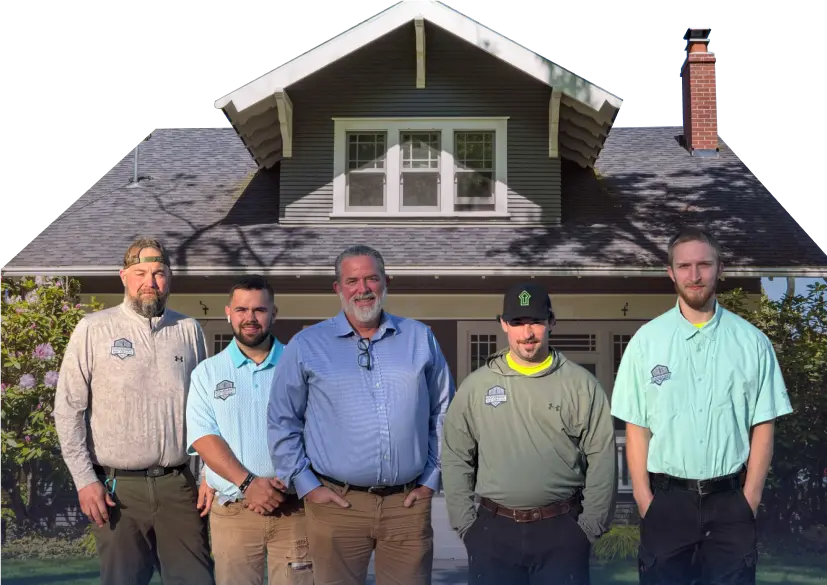
Covenant Pest Services is a local, family-owned and operated business serving the Atlanta Metro area (including Acworth, GA) that applies a comprehensive approach to attic restoration and decontamination, helping homeowners address contamination concerns with thorough cleaning and effective prevention strategies.
What Is Attic Decontamination?
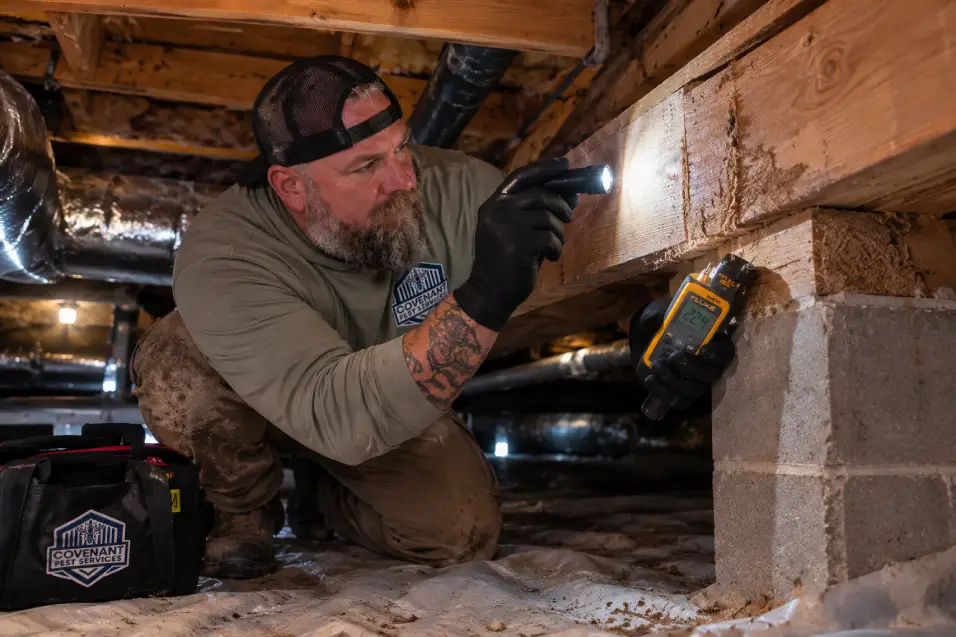
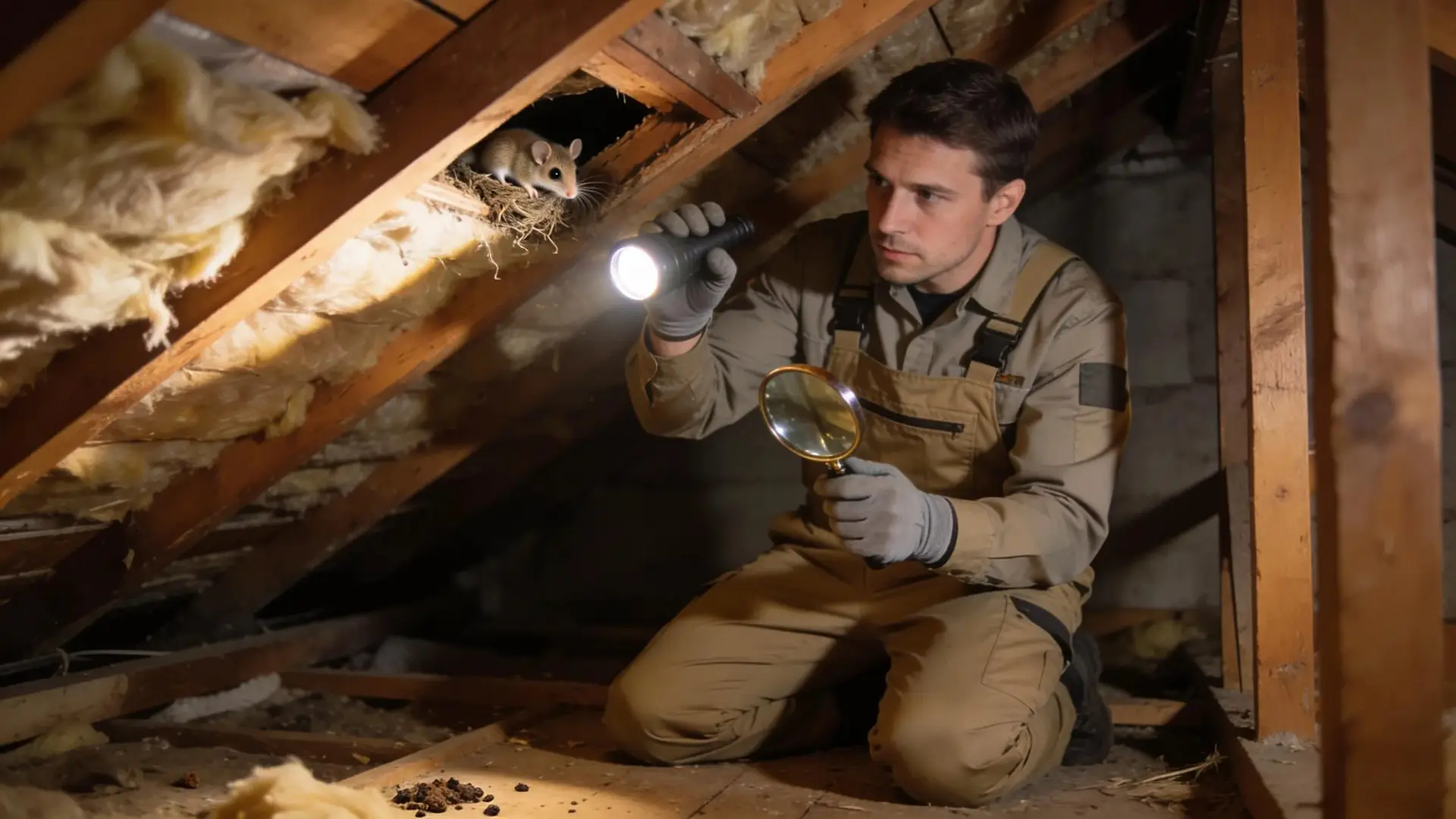
Attic decontamination is the cleanup of an attic after rodents, raccoons, squirrels or bats have lived in it: removing droppings, urine-soaked and damaged insulation and nesting material, sanitizing and deodorizing the space, and then installing new insulation. Covenant Pest Services’ attic restoration and remediation covers sanitizing, odor control, insulation removal and replacement, and dead animal removal.
How Do Local Factors Influence Attic Decontamination Costs in Atlanta?
Local factors such as property characteristics, the type and extent of contamination, and the complexity of remediation significantly influence attic decontamination costs. Attics in areas with high wildlife activity, humid climates, or older homes may experience more severe contamination, increasing the need for extensive cleaning, insulation replacement, and structural repairs. Identifying the specific contaminants—such as rodent droppings, mold, or bacterial growth—also impacts the methods and urgency of remediation, with hazardous biohazards requiring specialized handling and disposal. Service components like inspection, cleaning, sanitization, insulation replacement, and repairs vary in scope depending on the situation, which alters estimates. Covenant’s comprehensive approach adapts treatment plans and visit schedules to the specific attic condition, which can reduce unnecessary work and provide accurate upfront estimates based on planned timing rather than reactive measures, and that adaptive planning will be explained next as we outline common attic contaminants and price drivers.
What Common Attic Contaminants in Atlanta Affect Pricing?

Atlanta attics commonly face contamination from several sources, each presenting different remediation challenges and cost implications. Common contaminants include rodent droppings and urine, which require thorough cleaning and sanitization; mold and mildew growth due to humidity and water intrusion, which necessitate specialized mold remediation; and accumulated dust and debris that may harbor allergens. Severe infestations or damage caused by wildlife such as squirrels or bats can require insulation removal and replacement, structural repairs, and biohazard disposal. Understanding these common contaminants clarifies why identification is the first critical step in determining the appropriate decontamination strategy and associated costs.
Why Does Attic Decontamination Demand Vary Throughout the Year?
Demand for attic decontamination varies because environmental and behavioral factors influence contamination severity and homeowner awareness. For example, warmer and wetter months in the North Atlanta Metro area increase mold growth and wildlife activity, leading to more frequent contamination and calls for remediation. Cooler months may reveal damage or odors prompting inspections and cleanup. Human activities such as home renovations or pest control treatments can also uncover attic contamination, raising demand for decontamination services. These biological and behavioral drivers create predictable cycles that professional attic restoration translate into specific treatment schedules and cost estimates, which we’ll match to common attic decontamination pricing next.
What Are the Typical Attic Decontamination Costs in Atlanta?
This section provides realistic cost ranges and explains typical service frequency so homeowners can understand what to expect when obtaining estimates for attic decontamination. Costs vary by property size, contamination type, severity, and chosen remediation methods, but common patterns emerge across Atlanta’s climate and housing stock. Here is how we price the work.
We don’t publish flat prices, because two attics on the same street can need very different work. The price depends on how much insulation has to come out, how far the droppings and odor have spread, whether animals are still getting in, and how easy the attic is to reach.
If you’d like a tailored, transparent estimate based on your specific property, contact us following an inspection to outline treatments, frequency, and pricing so homeowners can compare options clearly.
How Much Does Emergency Attic Decontamination Cost and What Triggers It?
Emergency attic decontamination in Atlanta often involves urgent removal of hazardous biohazards such as rodent infestations or mold outbreaks that pose immediate health risks. These services require rapid dispatch of trained technicians with specialized equipment, driving costs higher than routine cleaning. Typical initial emergency service for attic decontamination often falls in the mid-to-high range for single-family homes and usually includes removal of contaminants, sanitization, and initial recommendations for prevention. Cost drivers here include contamination type, extent of damage, accessibility, and time of day (after-hours calls may incur additional fees). Because prompt and thorough remediation is critical, budgeting for professional intervention is essential when attic contamination is suspected.
Which Factors Beyond Contaminant Type Affect Decontamination Prices in Atlanta?

Beyond the specific contaminant, several property-level and service-level factors change the time, materials, and labor required, and therefore the final quote for attic decontamination. Property size and attic layout determine the treated surface area and complexity; the presence of extensive contamination or structural damage dictates intensity and follow-up frequency; and chosen remediation methods (cleaning, sanitization, insulation replacement, repairs) change material costs and technician time. Local market conditions and technician licensing or required specialty equipment can also influence pricing. The table below provides a concise entity-attribute-value view of common cost factors and their relative effects so homeowners can better understand estimate components.
| Cost Factor | How It Affects Price | Example / Relative Impact |
|---|---|---|
| Property size & attic complexity | More area/complex attic = more product and time | Large attic with multiple access points increases material/labor cost by 25–50% |
| Contamination type & severity | Hazardous biohazards or extensive mold require extra visits/specialized handling | Severe mold remediation or rodent infestation increases cost significantly |
| Remediation method | Insulation replacement and structural repairs are labor-intensive | Replacing insulation or repairing damaged framing costs more than cleaning alone |
| Service frequency | Ongoing monitoring plans cost more monthly but reduce emergency interventions | One-time cleanup vs. comprehensive maintenance plan changes annual spend and long-term value |
Reviewing these factors during an inspection helps homeowners understand line-item pricing and prepare for realistic estimates. Next we illustrate how treatment choice and frequency specifically change cost outcomes.
How Do Property Size and Contamination Severity Impact Costs?
Square footage, attic layout complexity, and the presence of structural damage directly increase material and labor needs for attic decontamination and restoration, so larger or more complex attics receive higher baseline quotes. The severity of contamination or damage multiplies costs when technicians must perform extensive cleaning, replace insulation, or conduct repairs; minor contamination is far less costly than widespread biohazard presence. Structural complexity such as multi-level attics, limited access, or damaged framing often adds line items for access or repair materials, driving the estimate upward. Recognizing these variables before an inspection helps homeowners understand why two nearby houses may receive very different quotes for the same attic issue.
What Role Do Remediation Methods and Service Frequency Play in Pricing?
Remediation choice—whether a one-time attic cleanup, recurring maintenance, or full restoration—determines both immediate costs and long-term value. One-time emergency services often cost less upfront than planned recurring programs but can lead to higher cumulative costs if contamination recurs, while recurring plans spread cost and emphasize prevention. Cleaning and sanitization methods may require more technician time for inspection and careful application, which affects pricing differently than simple debris removal. Evaluating long-term cost-effectiveness versus short-term price is critical when choosing a service structure.
- Common service frequency options homeowners see include: One-time emergency cleanup for acute contamination. Preventative maintenance projects for long-term attic health. Ongoing monitoring plans for properties with high risk.
- Each option balances immediate spend against the likelihood of repeat visits, and selecting the right cadence reduces surprise costs.
How Does Covenant Pest Services’ Comprehensive Attic Decontamination Approach Provide Value in Atlanta?
Covenant Pest Services applies a comprehensive approach that intentionally aligns remediation types and frequency with specific attic contamination concerns to avoid unnecessary work and concentrate spending where it delivers the most prevention or restoration. The approach emphasizes thorough cleaning. By offering written plans after an inspection, Covenant clarifies what is covered, expected frequency, and pricing components so homeowners can compare choices and budget accordingly. The table below summarizes sample service packages, included elements, and the primary benefit or pricing note to illustrate how tailored plans deliver value.
| Service Package | Included Elements | Benefit / Pricing Note |
|---|---|---|
| Emergency Attic Decontamination | Immediate dispatch, biohazard removal, initial property assessment | Rapid response for hazardous situations; addresses immediate health risks |
| Attic Cleaning & Restoration | Inspection, sanitization, insulation replacement, structural repairs | Long-term solution to restore attic health; upfront investment reduces recurring issues |
| Attic Monitoring Plan | Regular inspections, moisture control, maintenance guidance | Proactive management for high-risk properties; reduces emergency calls |
| Rodent Control (as prevention) | Baiting, trapping, exclusion for rodent populations | Reduces primary source of attic contamination, lowering risk |
This package-style presentation shows how Covenant links service elements to benefits and pricing structure so homeowners understand what they are paying for and why targeted attic decontamination work can be more cost-efficient than reactive measures.
What Makes Family- and Pet-Friendly Attic Decontamination Unique?
Covenant Pest Services’ attic decontamination emphasizes thorough cleaning, safe handling of biohazards, and restoration measures that reduce the need for harsh chemicals while maintaining effectiveness. Practically, this means prioritizing safe removal of contaminants, replacing damaged insulation, and educating homeowners on how to maintain attic health; these choices may increase technician time but lower household exposure and long-term risk. The result is a balance of effective attic restoration with minimized health risk for children and pets, which many homeowners prefer even if it slightly adjusts pricing. Clear communication and education about homeowner responsibilities (like maintaining proper ventilation and addressing water leaks) are part of the approach and help achieve safe, effective outcomes.
How Can Homeowners Get Transparent Attic Decontamination Estimates?
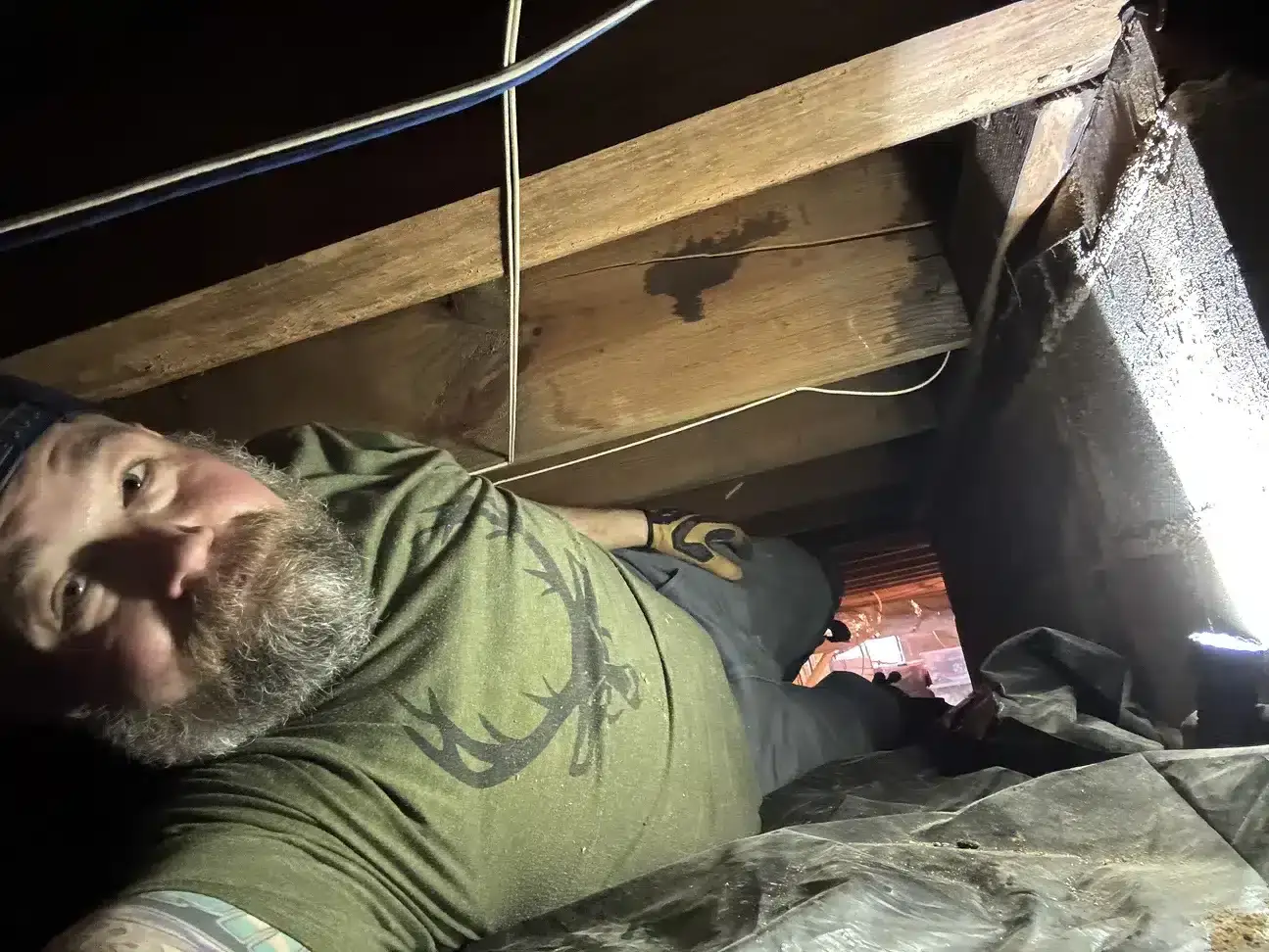
Homeowners can obtain transparent attic decontamination estimates through a simple, documented process that starts with an inspection and ends with a written plan. The typical three-step path is: (1) contact us to schedule an inspection to identify contamination presence, potential entry points, and attic conditions; (2) receive a written estimate that breaks down recommended treatments, expected frequency, and itemized pricing; and (3) schedule services. Covenant Pest Services follows this model—licensed technicians perform inspections and provide clear plans and written estimates so homeowners can compare options and understand the expected cadence and cost. Transparent communication after inspection removes surprises and helps prioritize prevention that reduces long-term attic decontamination spending.
- Quick reminder of next steps homeowners can take: Inspect and document any signs of attic contamination or damage to share during inspection. Ask potential providers for a written plan with itemized costs. Compare thorough, restoration-focused options to assess long-term value.
This completes the guide and provides a clear path for homeowners in Atlanta to translate attic contamination concerns into realistic budget expectations and informed service choices.
Conclusion
Understanding the factors influencing attic contamination and decontamination in Atlanta not only helps homeowners budget effectively but also ensures timely and safe interventions that can prevent health risks. By aligning remediation methods with specific contaminant types and property characteristics, Covenant Pest Services offers tailored solutions that enhance both safety and cost-efficiency. Homeowners are encouraged to schedule a property inspection to receive a transparent, written plan that outlines expected treatments and pricing. Take the first step towards a cleaner, safer attic by contacting us today.