



Natural pest management reduces chemical exposure by stimulating biological controls that target pest life cycles while enhancing safety and sustainability. This article maps out the key advantages of green solutions, explains how Integrated Pest Management (IPM) strengthens non-toxic approaches, details effective natural remedies for common pests, examines the risks of synthetic pesticides, and outlines how North Atlanta homeowners can select the right eco-friendly provider. By exploring family-safe methods, environmental benefits, long-term resistance prevention, and local expertise from Covenant Pest Services, you’ll discover why natural pest management outperforms chemicals in every respect.
What Are the Key Benefits of Natural Pest Control Over Chemical Methods?
Natural pest control delivers non-toxic, environmentally harmonious solutions that enhance safety, sustainability, and long-term effectiveness. It uses plant-derived substances, beneficial organisms, and habitat modification to reduce pest populations without introducing synthetic compounds.
Before diving into specific outcomes, consider these primary advantages:
- Healthier Living Spaces: Non-chemical treatments improve indoor air quality and prevent chemical residue on surfaces.
- Environmental Preservation: Green methods protect water sources and preserve beneficial insects like pollinators.
- Resistance Management: Rotating natural agents prevents pests from developing tolerance, ensuring durable control.
- Community Well-Being: Safer treatments reduce the risk of accidental exposure for children, pets, and wildlife.
Benefits of Natural Pest Control
Natural pest control methods are safer for the environment and do not pose a risk to human health, using ingredients derived from plants, animals, or minerals, making them biodegradable and non-toxic.
This source supports the article’s claim that natural pest control is safer than chemical methods.
These benefits build a foundation for healthier homes and gardens while leading into the family health considerations that follow.
How Does Natural Pest Management Protect Family Health and Safety?

By eliminating synthetic toxins, natural pest management supports respiratory wellness and minimizes allergic reactions. Essential oils, diatomaceous earth, and botanical repellents replace harsh chemicals with gentle yet effective alternatives.
Key protective measures include:
- Applying cedar and neem oils to deter pests without inhalation hazards.
- Using physical barriers and exclusion techniques to prevent infestations.
- Leveraging biological controls—such as parasitic wasps—to naturally suppress target species.
This approach preserves household air quality and prevents accidental ingestion or contact, setting the stage for environmental sustainability.
In What Ways Does Eco-Friendly Pest Control Support Environmental Sustainability?

Eco-friendly pest control enhances biodiversity and prevents water contamination by avoiding persistent synthetic residues. Natural materials decompose harmlessly, maintaining soil health and ecosystem balance.
Main environmental contributions:
- Preserving beneficial insects that pollinate gardens and curb pest outbreaks.
- Preventing chemical runoff into streams and groundwater.
- Reducing chemical bioaccumulation in soil and non-target species.
These sustainable outcomes reinforce long-term ecosystem resilience and lead into the resistance-preventing advantages of natural methods.
Why Is Natural Pest Control More Effective Long-Term Against Pest Resistance?
Natural pest control combines multiple modes of action—abrasion, botanical toxicity, and biological predation—to disrupt pest life cycles without single-target pressure. This diversity prevents genetic adaptations that cause chemical resistance.
Long-term resistance prevention strategies include:
- Mode Rotation – Alternating between botanical oils, microbial larvicides, and physical barriers.
- Habitat Disruption – Removing breeding sites to interrupt reproduction.
- Beneficial Species – Introducing predators or parasites that specifically target pest populations.
By integrating varied mechanisms, these methods maintain efficacy season after season and transition smoothly into holistic IPM frameworks.
How Does Integrated Pest Management (IPM) Enhance Natural Pest Control?
Integrated Pest Management (IPM) is a holistic strategy that coordinates prevention, monitoring, and targeted intervention to minimize pesticide use while maximizing control. By prioritizing eco-friendly tactics, IPM elevates natural pest management into a science-based, system-wide solution.
Integrated Pest Management (IPM)
IPM is an ecosystem-based strategy that focuses on long-term prevention of pests through a combination of techniques such as biological control, habitat manipulation, and modification of cultural practices.
This citation defines IPM, which is central to the article’s discussion of eco-friendly pest control.
IPM’s synergy with green methods ensures precise application of organic products only when thresholds are exceeded, reducing unnecessary treatments and promoting sustainable habitats for beneficial organisms.
What Are the Core Principles of IPM in Sustainable Pest Management?
- Prevention: Designing landscapes and structures to deter pest entry and reproduction.
- Monitoring: Regular inspection and population tracking to identify problems early.
- Action Thresholds: Defining pest levels that trigger intervention for cost-effective control.
- Targeted Control: Applying the least-toxic solutions—such as botanical sprays or biological agents—only when necessary.
These guiding principles form a roadmap for eco-responsible pest management and segue into local implementation.
How Does Covenant Pest Services Implement IPM for Eco-Friendly Solutions?
Covenant Pest Services adapts IPM by combining habitat modification, strategic biological releases, and custom-blended botanical treatments tailored to each property. Their technicians:
- Seal entry points and reduce moisture sources to prevent infestations.
- Deploy neem-based sprays and diatomaceous earth precisely where needed.
- Introduce beneficial nematodes to combat soil-dwelling pests.
Eco-Friendly Pest Control in North Atlanta
Covenant Pest Services provides eco-friendly pest control services throughout the North Atlanta metro area, specializing in safe and effective pest management solutions.
This source highlights a local provider of eco-friendly pest control, relevant to the article’s focus on North Atlanta.
This local expertise ensures maximum efficacy with minimal environmental footprint, paving the way for natural remedies against specific pests.
What Natural Solutions Are Effective for Common Household Pests?
Targeted natural remedies address specific pests without broad-spectrum chemicals. By matching each pest’s biology with an organic solution, homeowners achieve focused, safe control.
Consider these proven options:
How Is Natural Mosquito Control Achieved Using Organic Repellents?
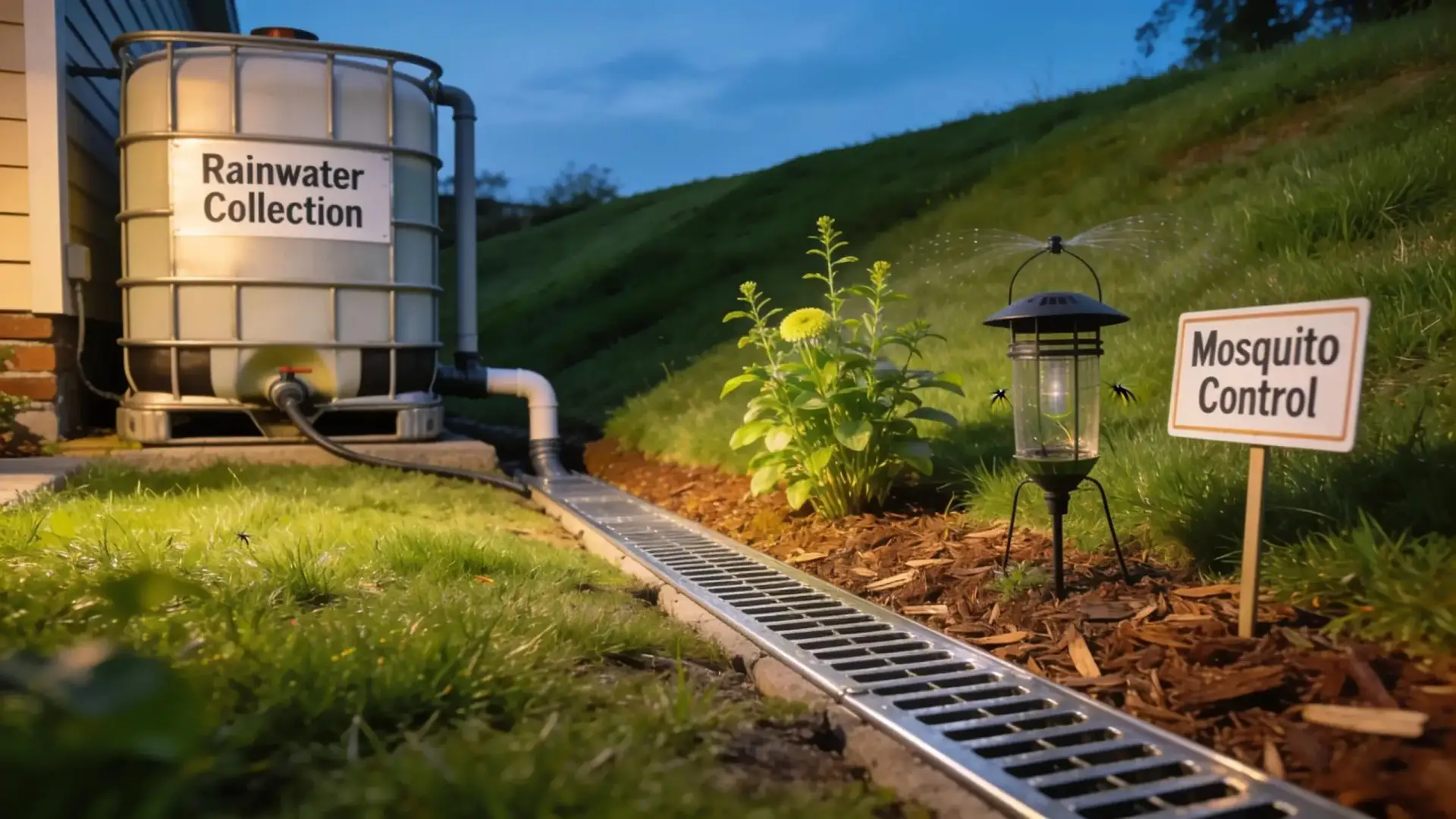
Essential oils and microbial larvicides disrupt mosquito life cycles at multiple stages.
| Repellent | Mode of Action | Benefit |
|---|---|---|
| Citronella Oil | Masks human scent | Reduces adult mosquito activity |
| Bacillus thuringiensis israelensis (Bti) | Disrupts larval gut | Prevents emergence of adults |
These layered approaches reduce biting pressure and maintain yard enjoyment while preserving non-target aquatic organisms.
What Are Safe, Organic Treatments for Fleas and Silverfish?
Diatomaceous earth abrades exoskeletons and cedar oil repels insects naturally.
- Diatomaceous Earth: Causes microscopic cuts leading to dehydration.
- Cedar Oil: Emits compounds that deter silverfish from infesting cracks and crevices.
Such treatments create safe indoor environments without risking residue buildup on floors or furniture.
Which Eco-Friendly Options Exist for Termite and Wildlife Control?
Botanical bait stations and exclusion barriers offer humane termite and wildlife solutions.
- Termite Baits: Contain plant-based toxins that workers carry to colonies.
- Live Traps & Exclusion Devices: Allow safe capture and relocation of skunks, raccoons, and squirrels.
These methods prevent structural damage and respect local fauna, underscoring the long-term value of eco-conscious pest management.
What Are the Health and Environmental Risks of Chemical Pest Control?
Conventional pesticides pose both acute and chronic hazards by introducing synthetic toxins into homes and ecosystems. They disrupt biological processes, harm non-target organisms, and contaminate air, soil, and water.
How Do Chemical Pesticides Impact Human and Pet Health?
Chemical pesticides can irritate skin, trigger asthma, and cause neurological symptoms through inhalation or dermal contact.
- Neurological Effects: Some compounds interfere with nerve function, leading to headaches and dizziness.
- Allergic Reactions: Residues on surfaces can provoke skin rashes or respiratory distress in sensitive individuals.
Removing these chemicals protects household health and directs attention toward environmental implications.
What Environmental Damage Is Caused by Traditional Chemical Methods?
Runoff from synthetic pesticides contaminates waterways, kills beneficial insects, and alters soil microbiomes.
- Pollinator Decline: Broad-spectrum chemicals eliminate bees and butterflies essential for plant reproduction.
- Water Contamination: Persistent residues accumulate in streams, threatening fish and amphibians.
Given these risks, choosing green pest control is essential for ecological integrity.
How to Choose a Green Pest Control Company in North Atlanta?
Selecting an eco-friendly provider requires evaluating safety protocols, sustainable methods, and local experience. A qualified company will demonstrate transparency about products and explain its IPM strategy.
- Eco-Certification – Verification of organic or green-labeled treatment programs.
- Customized Plans – Tailored strategies based on property inspection and pest thresholds.
- Guarantees – Clear satisfaction or re-treatment policies that prioritize sustainable outcomes.
These factors ensure alignment with both homeowner values and environmental standards, guiding the selection process.
What Questions Should You Ask an Eco-Friendly Exterminator?
Before committing, inquire about natural product ingredients, monitoring procedures, and success metrics.
- Do you use non-toxic repellents and biological controls?
- How do you assess and track pest populations?
- Can you share local case studies demonstrating green efficacy?
Asking these questions ensures transparent, effective service that matches your eco-friendly objectives.
Why Is Covenant Pest Services the Trusted Natural Pest Management Partner?
Covenant Pest Services combines over 30 years of North Atlanta expertise with a faith-based commitment to integrity and care. Their certified technicians employ advanced botanical formulations, precise IPM protocols, and a satisfaction guarantee to protect families and the environment.
Natural pest management not only protects homes but also fosters healthier communities and ecosystems.
By choosing eco-friendly methods and a trusted local partner, you invest in lasting pest control solutions that promote safety, sustainability, and peace of mind.
For expert guidance and a free consultation on green pest control in North Atlanta, reach out to Covenant Pest Services today.