

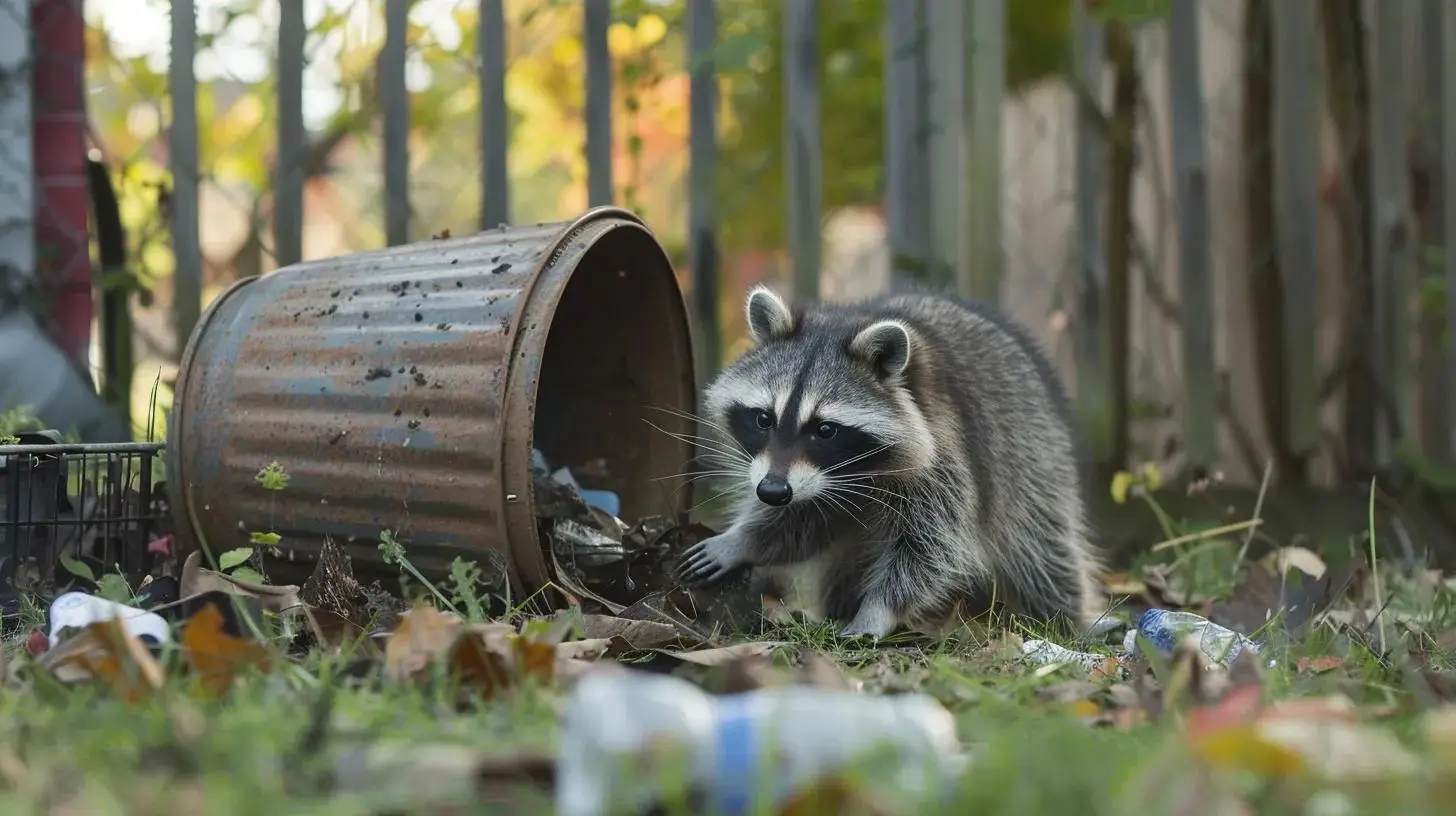
What is the best bait for a raccoon trap? For live traps, University of Georgia Extension suggests canned cat food or sardines for meat-eating animals, and peanut butter, sliced apples, peanuts, sunflower seeds, walnuts or pecans for animals that eat plants. Before you buy a trap, though, know that UGA does not recommend live trapping raccoons for homeowners, because raccoons can carry rabies. Here is what the bait question really involves and when to hand the job to a professional.
What Is the Best Bait for a Raccoon Trap?
UGA Extension’s guidance for live traps is to use simple baits similar to the animal’s natural foods:
- For meat-eaters: canned cat food or sardines.
- For plant-eaters: peanut butter or sliced apples.
- Other options UGA lists: peanuts, sunflower seeds, oatmeal balls, walnuts or pecans.
UGA also advises protecting a set trap from children and pets, and protecting a caught animal from pets and from sun, rain or cold.
Should You Trap a Raccoon Yourself?
UGA Extension’s answer is no. Its nuisance wildlife bulletin says live trapping is not recommended for homeowners dealing with animals such as raccoons or skunks, which can transmit rabies. These animals are usually put down, many localities require rabies testing, and UGA’s advice is to leave this kind of trapping to professionals.
Moving a raccoon is not simple either. UGA notes that relocating wildlife can require the landowner’s permission and possibly a permit from the Georgia Department of Natural Resources, and that it is generally illegal to release animals onto someone else’s property. Relocation also only moves the problem to the next house.
What to Do Instead: Remove What Draws Raccoons
UGA’s guidance is to treat the problem, not the symptom. If a raccoon keeps coming back, something is feeding or sheltering it. Start with:
- Lids that lock on trash cans, or cans stored in the garage until pickup day
- Pet food and birdseed brought in at night
- Fallen fruit and open compost cleaned up
- Gaps under decks, sheds and crawl spaces closed off
UGA calls exclusion, using solid materials to physically block an animal out, likely the average homeowner’s best option because it is economical, long-lasting and effective when it is done correctly.
Signs a Raccoon Is Already in Your Attic or Crawl Space
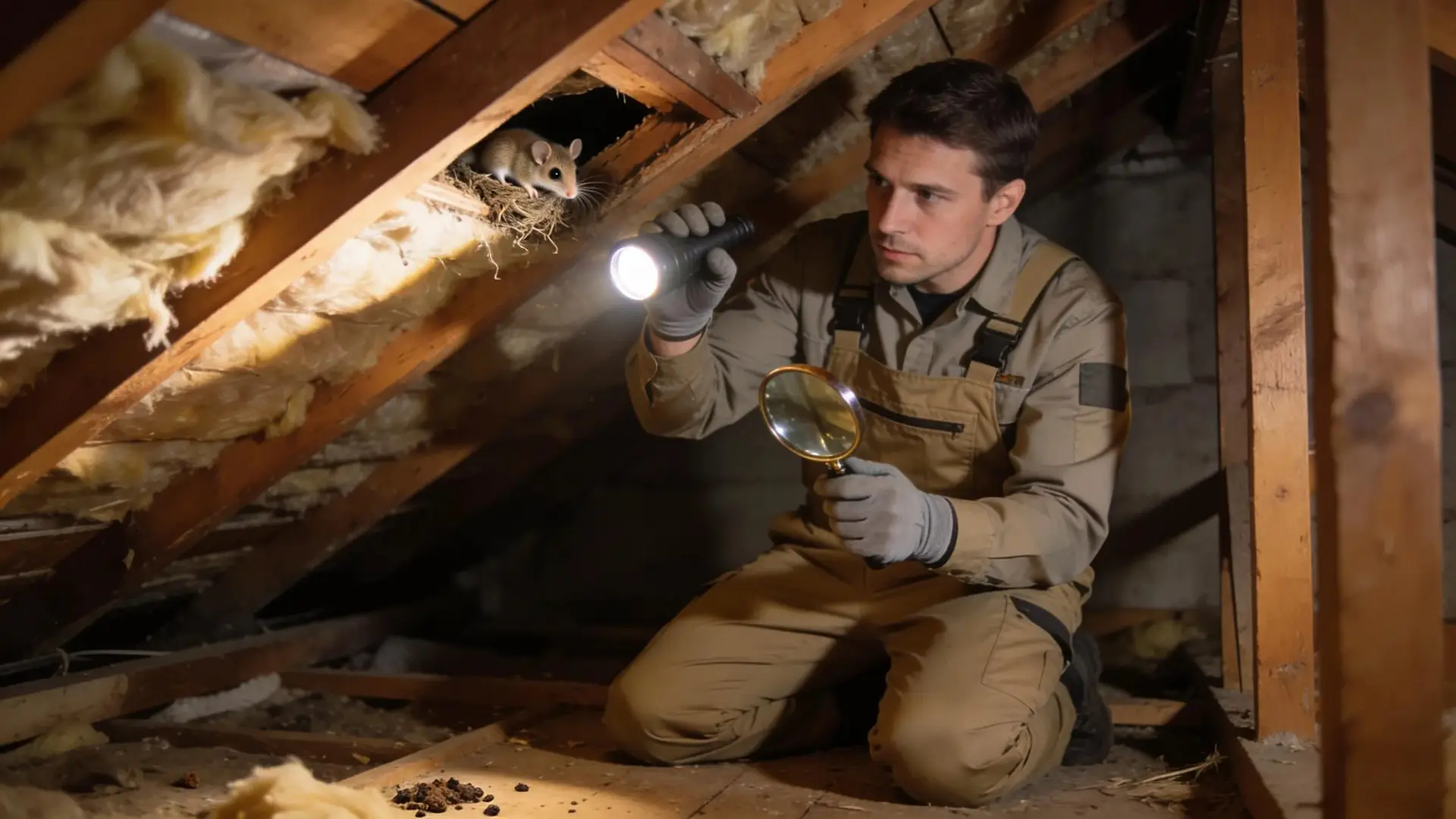
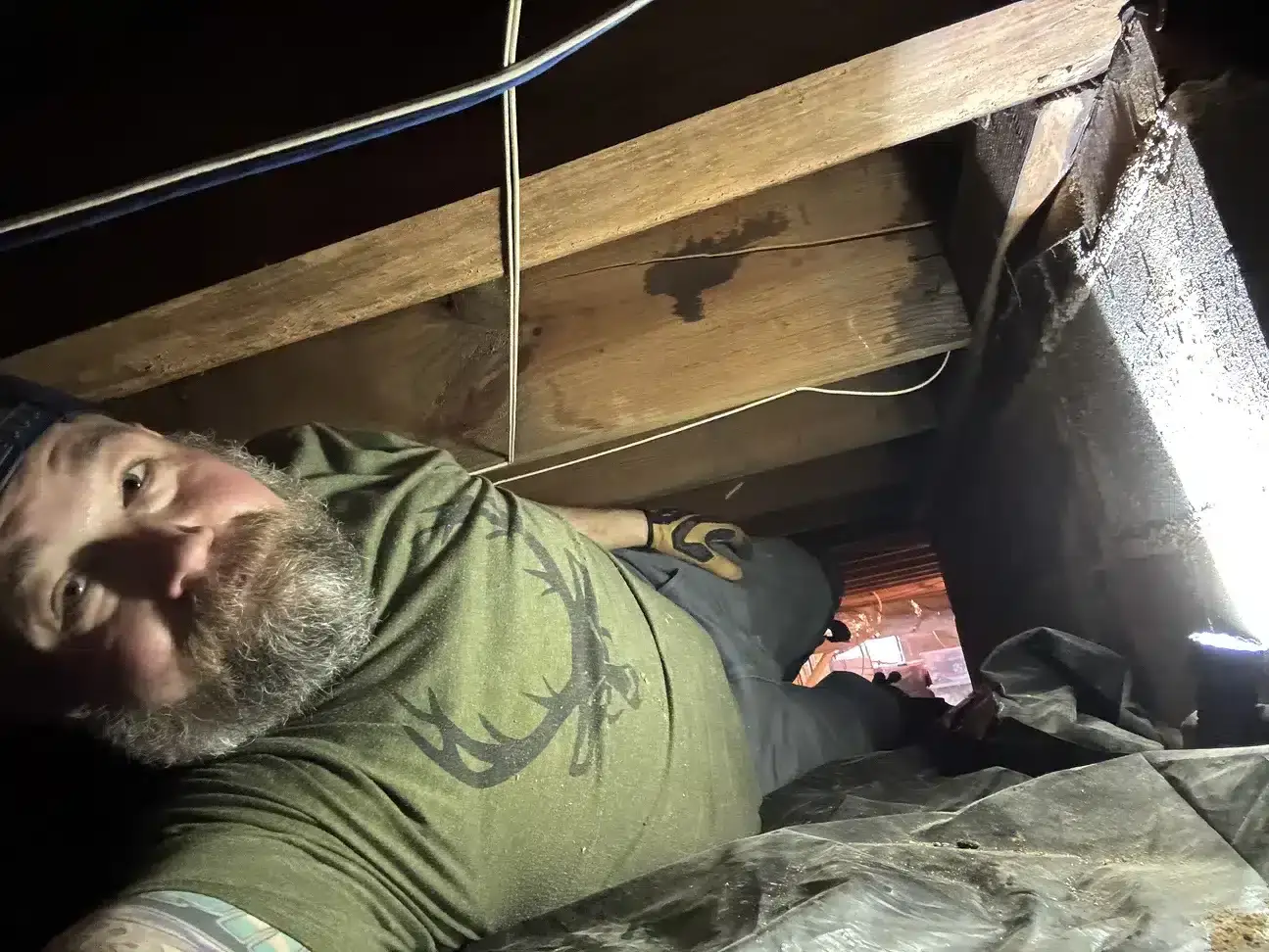
Noises are the first clue. UGA Extension notes that noise in an attic or crawl space can be mice, bats, squirrels, raccoons, skunks, opossums or birds, and that noise in a chimney often points to a squirrel, raccoon, bird or bat. UGA also points out that raccoons are active at night, so new holes or damage that appear overnight point to a night-active animal such as a raccoon, while holes that appear during the day point to squirrels.
An animal inside the house is a different job from one raiding the trash. It has to come out, the entry has to be sealed, and any mess left in the insulation has to be cleaned up.
How Professional Raccoon Removal Works
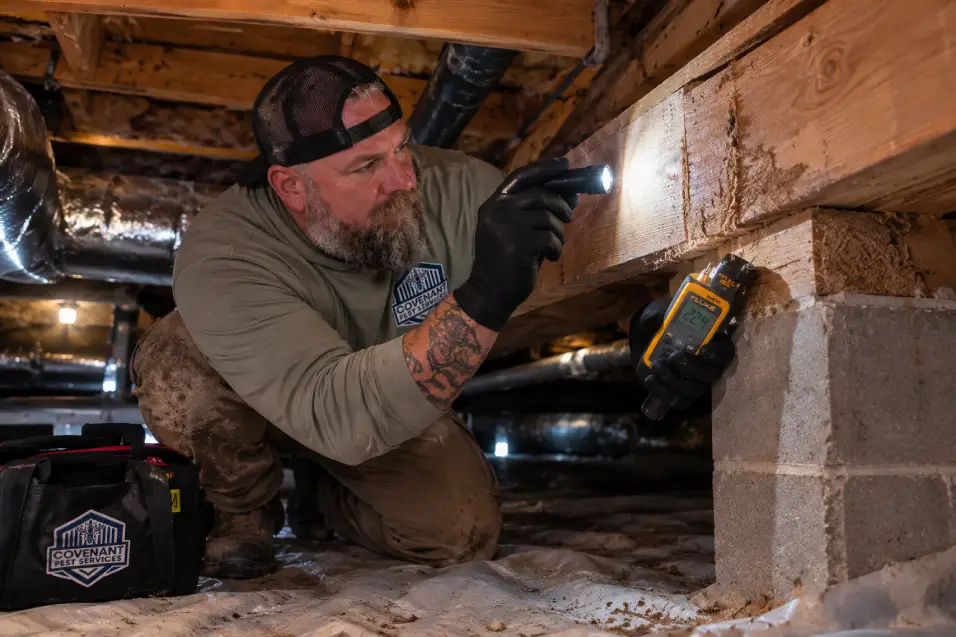
A wildlife removal professional handles the steps a homeowner should not: removing the animal safely and sealing the opening so the next raccoon cannot use it. Covenant Pest Services provides raccoon removal, wildlife exclusion and attic restoration for homes where an animal has already done damage.
Raccoon Removal in Kennesaw, Acworth and North Atlanta
Covenant Pest Services is based in Acworth and handles raccoon calls in Kennesaw, Acworth, Marietta and the rest of North Atlanta. If a raccoon is in the attic, under the deck or in the trash every night, call (678) 820-6848.
Raccoon Trap FAQ
What is the best bait to catch a raccoon?
For live traps, UGA Extension suggests canned cat food or sardines for meat-eating animals, with peanut butter, sliced apples or nuts as other options. UGA does not recommend that homeowners live-trap raccoons, because of the rabies risk.
Do raccoons like sardines?
Sardines are one of the baits UGA Extension lists for meat-eating animals. UGA also advises keeping a set trap away from children and pets.
Is it legal to relocate a raccoon in Georgia?
UGA Extension says relocating wildlife can require the landowner’s permission and possibly a Georgia DNR permit, and that releasing an animal onto someone else’s property is generally illegal. Check with your local conservation officer before moving any animal.
Can I let a raccoon out of my house myself?
UGA Extension says it may be acceptable to remove an animal from your house and release it outside on your own property, but you then have to keep it from getting back in. With raccoons, the rabies risk is a good reason to let a professional handle the removal.
What does UGA recommend instead of trapping?
UGA’s approach for homeowners runs in order: change the habitat so it stops attracting the animal, exclude it with solid barriers, then consider removal or repellents, and lethal control last. Exclusion is the step UGA calls most homeowners’ best option.
What is a nuisance wildlife control operator?
UGA Extension describes nuisance wildlife control operators as businesses licensed by the state that remove problem animals for a fee. You can often find them by searching for “pest control”, “nuisance wildlife control” or “animal removal services”.
Who should I call for a raccoon in my attic?
A wildlife removal professional. Covenant Pest Services offers raccoon removal, wildlife exclusion and attic restoration. Call (678) 820-6848.
Raccoon in the trash, under the deck or in the attic? Call (678) 820-6848 or request an estimate online.