



Pest infestations can threaten both comfort and safety at home. Knowing when to call pest control helps protect your property and household health. This guide outlines the main signs of infestation and how to spot them. Early detection limits damage and reduces health risks. You will learn typical pest behaviours, signs of damage, and the health issues pests can cause, plus when to contact professionals and the benefits of using local services like Covenant Pest Services to manage problems safely and effectively.
Key Takeaways
- Recognizing early pest infestation signs like droppings and gnaw marks helps prevent extensive home damage.
- Pest behaviors such as visible activity and unusual noises indicate the need for prompt pest control intervention.
- Rodents and insects pose health risks through contamination and bites, necessitating swift action.
- Integrated pest management emphasizes nonchemical methods and minimal pesticide use to reduce health hazards.
- Seasonal pest activity influences urgency; spring and summer require immediate attention for insects, fall and winter for rodents.
- DIY pest control may worsen infestations if pests are misidentified or entry points remain unsealed.
- Local professional pest control services provide tailored, effective, and safe treatment strategies for lasting results.
- Customized pest control plans based on home inspections improve prevention and management of specific pest issues.
- Regular professional inspections and maintenance practices help detect and deter pests before infestations escalate.
What Are the Most Common Signs of Pest Infestation at Home?
Spotting infestations early can save time and repair costs. Common signs include droppings, gnaw marks and nests. Recognising these indicators lets you act before damage or contamination worsens. Knowing how different pests behave — from insects to rodents — helps you decide the right next steps.
Pest Behaviors
Pests show behaviours that signal an infestation; look for changes in activity or patterns in the home, such as:
- Visible pests scurrying across countertops or floors
- Hearing unusual noises, particularly at night, which typically indicate rodent activity
These behaviours suggest a more established problem. Noticing them early lets you address the issue before it spreads.
Damage Signs
Damage from pests appears in a few clear ways, notably:
- Droppings: Evidence of pest presence, from rodents to cockroaches.
- Gnaw Marks: Chewed wood or wires indicate rodent or certain insect activity.
Finding these signs early reduces the risk of structural damage and costly repairs.
Health Risks
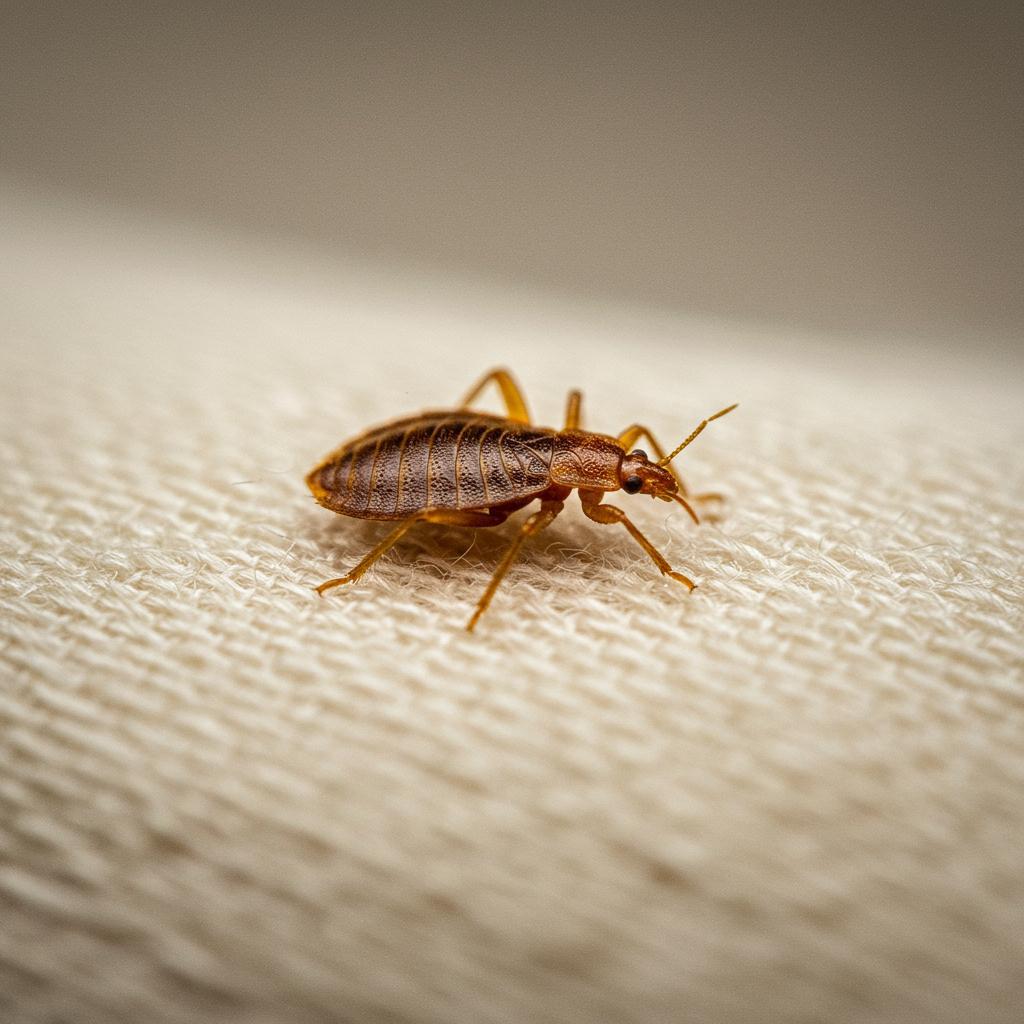
Pests can pose real health risks in the home. For example:
- Rodents can contaminate food and surfaces with droppings, increasing the risk of disease transmission.
- Insect bites may cause infections or trigger allergic reactions.
Understanding these risks reinforces why prompt action is important when you see signs of infestation.
This is especially important considering that pesticides, if not used properly, can pose health risks, particularly to vulnerable populations and highlight the importance of non-chemical approaches.
Pest Control Health Risks and Integrated Pest Management (IPM) Solutions
Pesticides applied in large quantities in urban areas to control cockroaches can threaten health, particularly for children who face higher exposures and unique developmental vulnerabilities. Integrated Pest Management (IPM) emphasises nonchemical tools — cleaning food residues, removing potential food sources, and sealing cracks and crevices — while using the least-toxic pesticides sparingly. To assess IPM, the Mount Sinai Children’s Environmental Health and Disease Prevention Research Center partnered with two community health centres in East Harlem on a prospective trial. Families (n = 131) enrolled during prenatal visits. Household cockroach infestation was measured with glue traps at baseline and again six months later. The intervention group received individually tailored IPM education, repairs and least-toxic pest control application.
Integrated pest management in an urban community: a successful partnership for prevention, M Rivera, 2003
When Should You Call Pest Control Experts? Understanding Urgency and Timing
Timing can change the outcome of an infestation. Addressing pest activity promptly limits spread, reduces damage and often lowers total cost. If an infestation is established or involves high-risk pests, consider contacting professional pest control services for a safe, effective response.
How Do Pest Activity Levels Influence the Need for Professional Intervention?
Pest activity follows seasonal patterns, which affects urgency:
- During spring and summer, ants, termites and other insects are more active and may need quick action.
- In fall and winter, rodents often seek shelter indoors; early measures can prevent nesting and damage.
Being aware of these cycles helps homeowners plan prevention and response.
Can DIY Measures Delay or Worsen Infestations Before Calling Experts?
DIY attempts can sometimes make problems worse. Common errors include:
- Misidentifying pests, which leads to ineffective treatments.
- Ignoring structural entry points: Unsealed gaps allow pests to return.
Knowing these limits helps you decide when to escalate to professional help for a more reliable solution.
What Are the Key Benefits of Hiring Local Professional Pest Control Services?
Hiring local professionals, such as Covenant Pest Services, brings several practical benefits for homeowners:
- Effectiveness: Targeted strategies and treatments tailored to the specific pest problem.
- Expertise: Trained technicians understand pest behaviour and the most appropriate control methods.
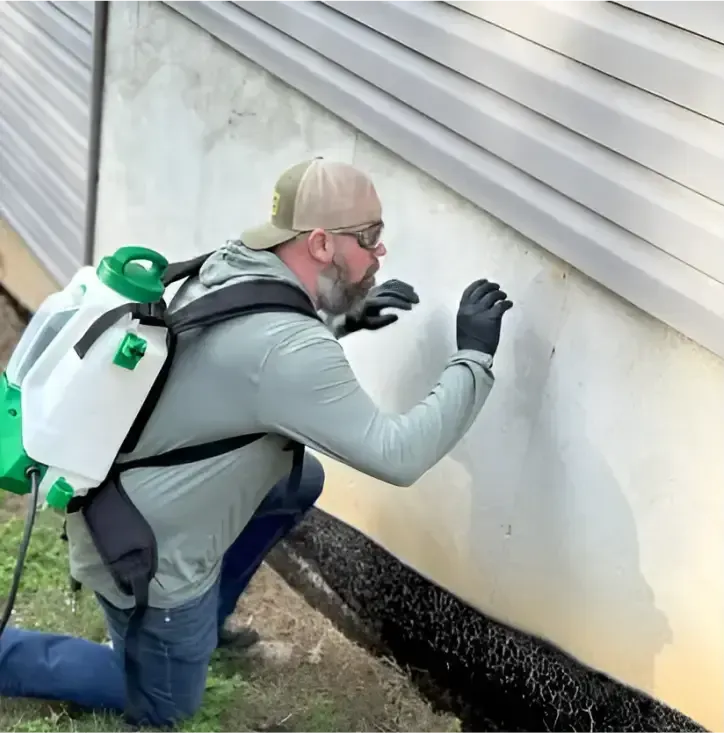
- Safety: Professionals follow safety protocols and minimise health risks linked to chemical use.
Local knowledge and experience ensure treatments fit your home and community conditions for better long-term results.
It’s important to remember that the success of even the most well-intentioned indoor pest control strategies relies heavily on local perception and consistent adoption.
Impact of Indoor Pest Control on Arthropod-Vectored Disease Prevention
Arthropod-vectored diseases have long hindered public health and social progress. Measures to reduce transmission include preventive care (for example, vaccination), clinical treatment and, importantly, suppression of vectors indoors and outdoors. The effectiveness of indoor vector control (IVC) tools, such as long-lasting insecticide-treated nets (LLINs) and indoor residual sprays (IRS), depends on individual and community acceptance. Public confidence is influenced by successful control of nuisance pests like bed bugs and cockroaches; failure to control these pests can reduce trust and lead to abandonment of control products. Widespread adoption and consistent use of LLINs and IRS have contributed to major reductions in malaria, but failures in indoor pest control risk undermining programme success.Review on the impacts of indoor vector control on domiciliary pests: good intentions challenged by harsh realities, 2024
How Does Customized Treatment Provide Better Pest Management?
Custom treatments are more effective because each home presents different risks based on location, structure and pest type. On-site inspections let technicians design a plan that addresses current infestations and prevents future ones. This targeted, local approach delivers longer-lasting control.
Why Is Rapid Response and Expert Inspection Crucial?
Rapid response prevents small issues from becoming large infestations. Professional inspections enable:
- Identification of hidden problem areas homeowners may miss.
- Assessment of infestation extent and selection of appropriate treatments.
Quick, professional action often results in faster, safer control and a healthier home.
How to Recognize Specific Pest Infestation Indicators: Termites, Mosquitoes, Rodents, and More
Knowing the specific signs of different pests helps with accurate identification and treatment. Early recognition limits damage. For termite concerns, seek expert advice; termite control services are available.
What Are the Signs of Termite and Wood-Damaging Pest Presence?
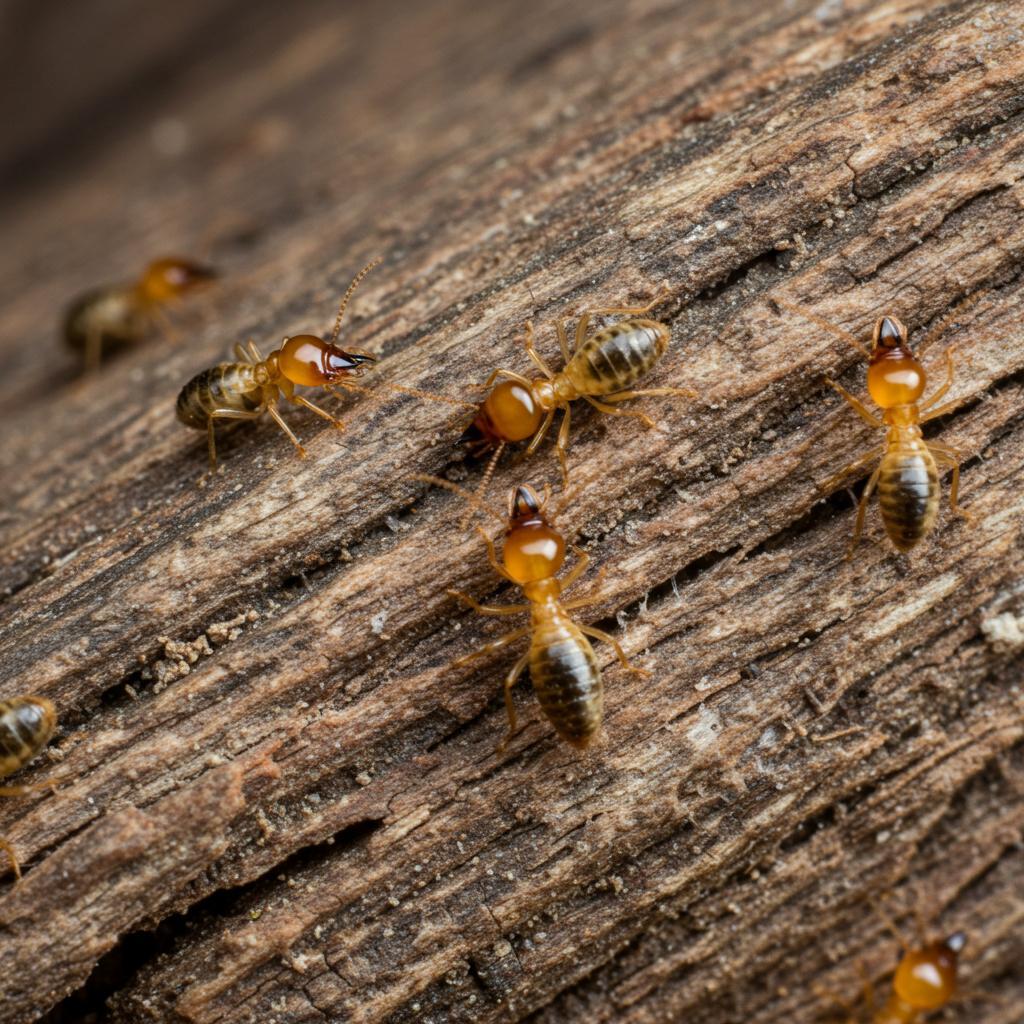
Termites can cause major structural harm. Typical signs include:
- Mud Tubes: Small soil tunnels termites build to move and stay protected, indicating nearby colonies.
- Hollow-sounding Wood: Wood that sounds hollow when tapped suggests internal damage to beams or framing.
Recognising these signs early allows for targeted treatment and reduces repair costs.
How to Detect Mosquito Breeding and Activity Around Your Home?
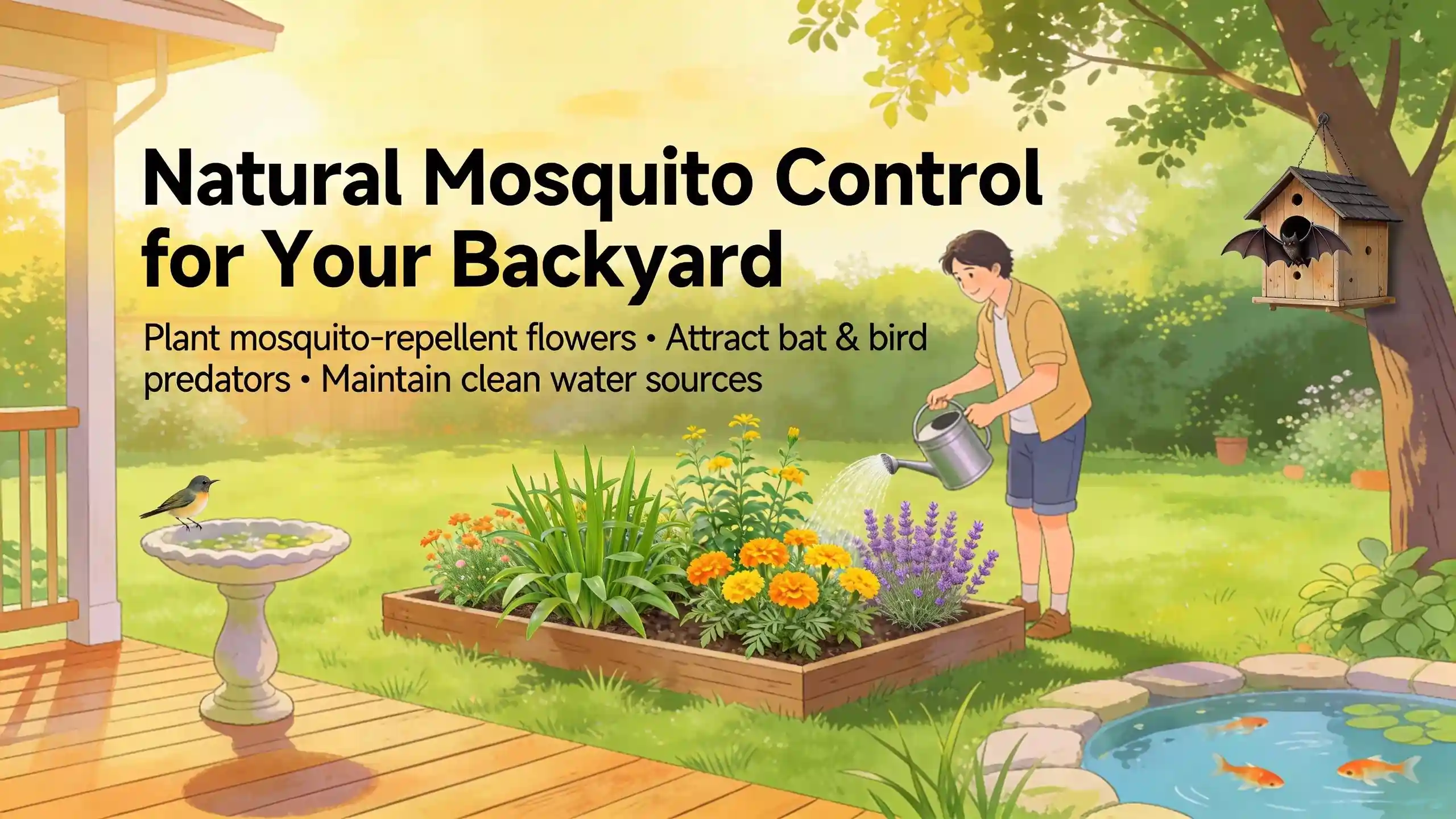
Controlling mosquitoes starts with eliminating breeding sites. Check areas such as:
- Stagnant water in containers, bird baths or clogged gutters.
- Dense vegetation and shaded areas where mosquitoes rest.
Removing standing water and tidying vegetation reduces breeding. For persistent problems, professional mosquito control can help.
What Preventive Tips Can North Atlanta Homeowners Use to Reduce Pest Risks?
Simple, consistent preventive measures lower pest risk. Maintain cleanliness, seal likely entry points and address moisture or food sources promptly. If you need professional support, find contact details on their contact page.
Which Home Maintenance Practices Help Deter Common Pests?
Everyday maintenance that deters pests includes:
- Regular Inspections: Look for cracks and gaps around windows, doors and foundations.
- Proper Storage: Keep food in sealed containers to avoid attracting pests.
- Landscape Management: Trim shrubs and trees so they do not touch the house and provide hiding places.
These steps reduce attractants and make your home less hospitable to pests.
When is Scheduling Regular Professional Inspections Recommended?
Routine professional inspections are a proactive way to spot issues early. Scheduled checks identify vulnerabilities, offer tailored advice and give homeowners confidence that problems will be caught before they escalate.
| Indicator | Description | Significance |
|---|---|---|
| Visible Pests | Spotting live insects or rodents | Direct indication of infestation |
| Droppings | Presence of feces | Immediate sign of pest presence |
| Structural Damage | Signs of gnawing or tapping | Suggests deeper infestations |
This summary highlights the value of watching for signs so you can address pest problems before they become larger. For more guidance and local resources, visit their blog.
Frequently Asked Questions
1. What steps should I take if I suspect a pest infestation?
Start with a careful home inspection for droppings, nests or unusual sounds and record what you find. Use traps only for monitoring, not as a definitive fix. Avoid applying chemical treatments before a professional assessment, since misidentification can worsen the issue. Once you have evidence, contact a pest control expert for a clear diagnosis and a tailored treatment plan.
2. Are there specific pests that require urgent attention?
Yes. Termites, bed bugs and rodents usually need prompt action. Termites can undermine structural integrity, bed bugs spread quickly and are hard to remove, and rodents contaminate food and surfaces. If you see signs of these pests, contact professionals quickly to limit damage and health risks.
3. How effective is Integrated Pest Management (IPM) compared to traditional methods?
IPM is often more effective long term because it combines prevention, monitoring and targeted treatments rather than relying only on chemicals. The approach reduces health and environmental risks by prioritising nonchemical steps and using least-toxic options when necessary. IPM addresses root causes, which supports lasting control.
4. What preventative measures can I take to reduce pest infestations?
Preventive measures include regular maintenance and cleaning, sealing cracks and gaps, storing food in airtight containers, and clearing crumbs and spills promptly. Keep vegetation trimmed away from the house and schedule regular checks with pest professionals to strengthen prevention.
5. How can seasonal changes affect pest control needs?
Seasonal shifts change pest activity. Spring and summer typically increase activity for ants, termites and mosquitoes, while rodents seek indoor shelter in fall and winter. Adjust prevention and monitoring efforts for these peak periods to stay ahead of infestations.
6. Can pets be affected by pest infestations?
Yes. Fleas, ticks and mites can irritate pets and transmit disease, and rodents may carry parasites that affect animals. Keep pets on vet-recommended preventives and watch for signs of pest-related issues. If you suspect an infestation, consult pest control professionals who can recommend safe treatments for both pets and the home.
7. What should I know about the safety of pest control chemicals?
Pest chemicals can pose risks if misused, especially to children, pregnant people and pets. Choose providers who follow safety regulations and favour Integrated Pest Management to minimise chemical use. When pesticides are necessary, professionals apply them strategically to balance effectiveness with household safety.