



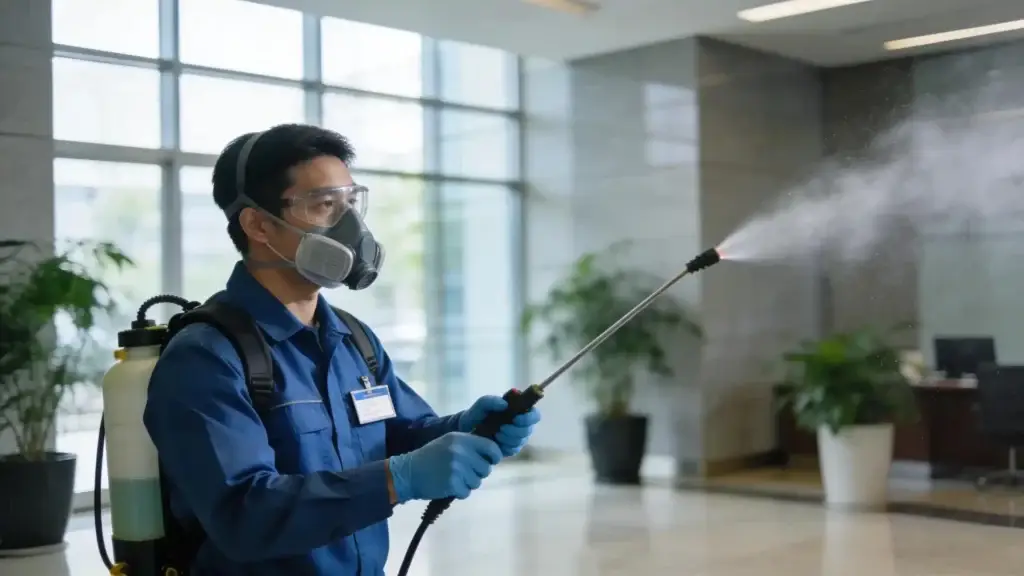
Knowing commercial mosquito control costs helps Acworth business owners budget accurately. Prices vary with property size, infestation level and treatment frequency. This guide explains pricing structures, cost drivers and potential savings so you can plan pest management that protects staff, customers and property. For broader pest solutions, see Professional Pest Control services.
Key Takeaways
- Commercial mosquito control costs in Acworth vary based on property size, infestation severity, and treatment frequency.
- Pricing models include flat-rate, subscription plans, and customized agreements tailored to business needs.
- Larger properties and heavier infestations typically require more extensive and costly treatments.
- Regular treatments every 21-30 days optimize mosquito management and can reduce long-term costs.
- Seasonal maintenance plans align treatments with mosquito lifecycles, enhancing prevention and cost efficiency.
- Long-term contracts and preventative treatments offer significant savings for commercial mosquito control.
- Typical treatment costs range from $100 to $500 depending on service type and property specifics.
- Choosing providers with transparent pricing, safety assurances, and community trust improves service satisfaction.
- Effective mosquito control often combines barrier sprays with larvicidal treatments to target multiple mosquito stages.
Pricing Structures
Commercial mosquito control uses several pricing models to suit business needs: flat-rate fees for defined services, subscription plans for ongoing work at reduced rates, and free estimates so you can review costs before committing.
Picking the right model helps control overall spending. Here’s a brief overview of common pricing structures:
- Flat-rate Pricing: Set cost for specific treatments, ideal for businesses needing infrequent services.
- Subscription Plans: Regular treatments at a discounted rate for long-term pest management.
- Customized Pricing: Tailored agreements based on unique property needs and frequency of treatments.
Evaluate service offerings carefully to identify the most cost-effective option for your operations.
Factors Influencing Costs

Several factors drive commercial mosquito control pricing. Property size and infestation severity are primary—larger areas take more time and materials, and heavier infestations often require stronger or repeated treatments, which raises costs.
Understanding these factors helps business owners budget more accurately. Key influences include:
- Property Size: Larger properties incur higher costs due to the increased area and resources needed for treatment.
- Infestation Severity: Heavy infestations may require additional service visits and more potent treatment methods, driving up the total price.
- Treatment Methods: Different techniques may have varying costs, affecting the overall price of mosquito control.
How do property size and treatment frequency affect costs?
Property size is a core cost driver: larger sites need more labour and product, which raises the price. Treatment frequency also matters — regular preventative visits can lower cost per treatment over time. For example, a small business with a 1-acre property might pay about $200 for a quarterly treatment, while larger properties will see higher costs depending on size and visit frequency.
What role do mosquito species and infestation levels play in pricing?
Mosquito species and infestation levels affect the approach and cost. Some species have particular breeding habits or resistance, requiring specialised methods. Heavy infestations often need multiple cycles and targeted solutions, increasing expense. Knowing the local species and monitoring infestation levels helps estimate likely costs. For instance, properties with Aedes mosquitoes, which breed in small containers, may need more comprehensive measures than sites with less aggressive species.
Research indicates that the economic evaluation of area-wide integrated pest management programs accounts for various financial aspects, including staff time and household impact, which further highlights the complexity of mosquito control pricing.
Economic Evaluation of AW-IPM for Mosquito Control
Aedes albopictus is the most invasive mosquito in the world, an important disease vector, and a biting nuisance that limits outdoor activities. Area-wide integrated pest management (AW-IPM) is the recommended control strategy. We conducted an economic evaluation of the AW-IPM project in Mercer and Monmouth Counties, New Jersey with a controlled design (AW-IPM vs. control) from 2009 through 2011. The study analyzed financial documents and staff time for AW-IPM and surveyed an average of 415 randomly chosen households in AW-IPM and control areas each fall from 2008 through 2011. Hours lost from yard and porch activities were calculated as differences between actual and potential hours of these activities in an average summer week if there had been no mosquito concerns.
Economic evaluation of an area-wide integrated pest management program to control the Asian tiger mosquito in New Jersey, YA Halasa, 2014
Potential Savings
Businesses can reduce mosquito control costs by using strategies such as long-term agreements, seasonal maintenance plans timed for peak mosquito activity, and negotiated pricing for bundled services. Tailored plans and established relationships with providers often lower overall spend. For details on customised Mosquito Control, consult the provider’s service information.
- Long-term Contracts: Committing to extended service agreements can lead to reduced rates.
- Seasonal Plans: These plans adjust services based on mosquito activity trends, optimizing treatment schedules and costs.
- Preventative Treatments: Investing in preventative measures can reduce future infestation-related costs.
Recognising these savings opportunities helps businesses manage their pest-control budgets more effectively.
What Factors Influence Commercial Mosquito Control Pricing in Acworth?
How Often Should Commercial Mosquito Control Services Be Scheduled for Effective Prevention?
Service frequency affects both effectiveness and cost. Treatments every 21-30 days are generally recommended during peak mosquito season. Regular evaluations let technicians change treatment plans as infestation levels shift, keeping control measures effective.
What are the benefits of seasonal maintenance plans for businesses?
Seasonal maintenance plans align inspections and treatments with mosquito lifecycles, helping prevent infestations and lowering the risk of disease for employees and customers. Proactive scheduling reduces surprises and supports a safer environment.
How does treatment frequency impact overall control costs?
More frequent treatments increase short-term costs but can reduce long-term expenses by preventing larger infestations. Work with pest professionals to find the right balance between frequency and budget while maintaining effective control.
What Are Typical Cost Ranges for Professional Mosquito Management in Acworth Commercial Properties?
Average mosquito management costs in Acworth vary by service. Providers typically charge $100 to $500 per treatment, depending on method, property size and infestation severity. The table below shows typical ranges by service type.
| Service Type | Cost Range | Frequency |
|---|---|---|
| Initial treatment | $150 – $300 | One-time |
| Regular treatment | $100 – $250 | Monthly |
| Preventative plan | $200 – $500 | Quarterly or Biannually |
Studies on larval source management further illustrate how specific formulations and population density can influence the overall cost of mosquito control programs.
Mosquito Larval Source Management: Cost Analysis in Africa
The results show that for programmes using the same granular formulation larviciding costs the least pppy in Dar es Salaam (US$0.94), approximately 60% more in Vihiga District (US$1.50) and the most in Mbita Division (US$2.50). However, these costs are reduced substantially if an alternative water-dispensable formulation is used; in Vihiga, this would reduce costs to US$0.79 and, in Mbita Division, to US$1.94. Larvicide and staff salary costs each accounted for approximately a third of the total economic costs per year. The cost pppy depends mainly on: (1) the type of formulation required for treating different aquatic habitats, (2) the human population density relative to the density of aquatic habitats and (3) the potential to target the intervention in space and/or time.
Large-scale use of mosquito larval source management for malaria control in Africa: a cost analysis, E Worrall, 2011
How does Covenant Pest Services’ pricing compare in the North Atlanta market?
Covenant Pest Services offers competitive pricing in the North Atlanta area while maintaining service quality. Regional averages vary, but Covenant’s transparent pricing structures help business owners understand costs before treatments begin. For a personalised quote, contact them through their contact information.
Are there customizable commercial pest control contracts to fit budgets?
Flexible contracts let businesses match programs to their budgets and needs. Covenant Pest Services provides options that can be tailored to specific requirements, helping firms maximise their investment while maintaining effective mosquito control.
What Should Business Owners Consider When Choosing a Commercial Mosquito Control Provider in Acworth?
When choosing a provider, weigh experience, community reputation and treatment safety in addition to price. Review service offerings, safety assurances and the company’s standing with local customers to ensure reliable, responsible pest management.
Why is community trust and safety assurance important in professional pest management?
Community trust matters because local providers who prioritise safety and transparency deliver better outcomes. Select companies that use environmentally responsible practices and can show certifications and a strong safety record.
How do transparent pricing and service quality affect customer satisfaction?
Clear pricing and consistent service build trust and increase customer satisfaction. When businesses understand costs and receive reliable, high-quality treatments, they are more likely to renew services and recommend the provider.
What Are Common Questions About Commercial Mosquito Control Costs and Services in Acworth?
How much does mosquito control cost for offices and commercial spaces in Acworth?
Costs for commercial mosquito control generally range from $100 to $500 per treatment, depending on property size and treatment frequency. Many companies offer customised pricing to meet specific business needs.
What is the best mosquito treatment method for local businesses?
Effective programs typically combine barrier sprays to reduce adult mosquitoes with larvicidal treatments that target larvae in standing water. Consult a professional to identify the best mix of methods for your property.
Frequently Asked Questions
What are the ecological impacts of using mosquito control treatments?
Treatments can affect beneficial insects and local ecosystems. Many companies use integrated pest management (IPM) — targeted sprays, larvicides and monitoring — to minimise harm to non-target species. Ask providers about their ecological practices to ensure sustainable control.
How can business owners prepare for a mosquito control service?
Prepare by clearing outdoor furniture, toys and other items that could obstruct access, and by removing standing water before the visit. Point out problem areas to technicians so they can tailor the treatment to your property.
What should I look for in a mosquito control provider?
Evaluate reputation, experience and service options. Look for positive reviews, relevant certifications and environmentally sound treatment methods. Ask about contract flexibility and customised pricing. A trusted local provider often delivers better long-term results.
How do seasonal changes affect mosquito populations?
Warmer temperatures and increased rainfall in spring and summer create ideal breeding conditions, while colder months usually reduce activity. Plan control efforts to be proactive during peak seasons to limit infestations.
Are there natural alternatives for mosquito control?
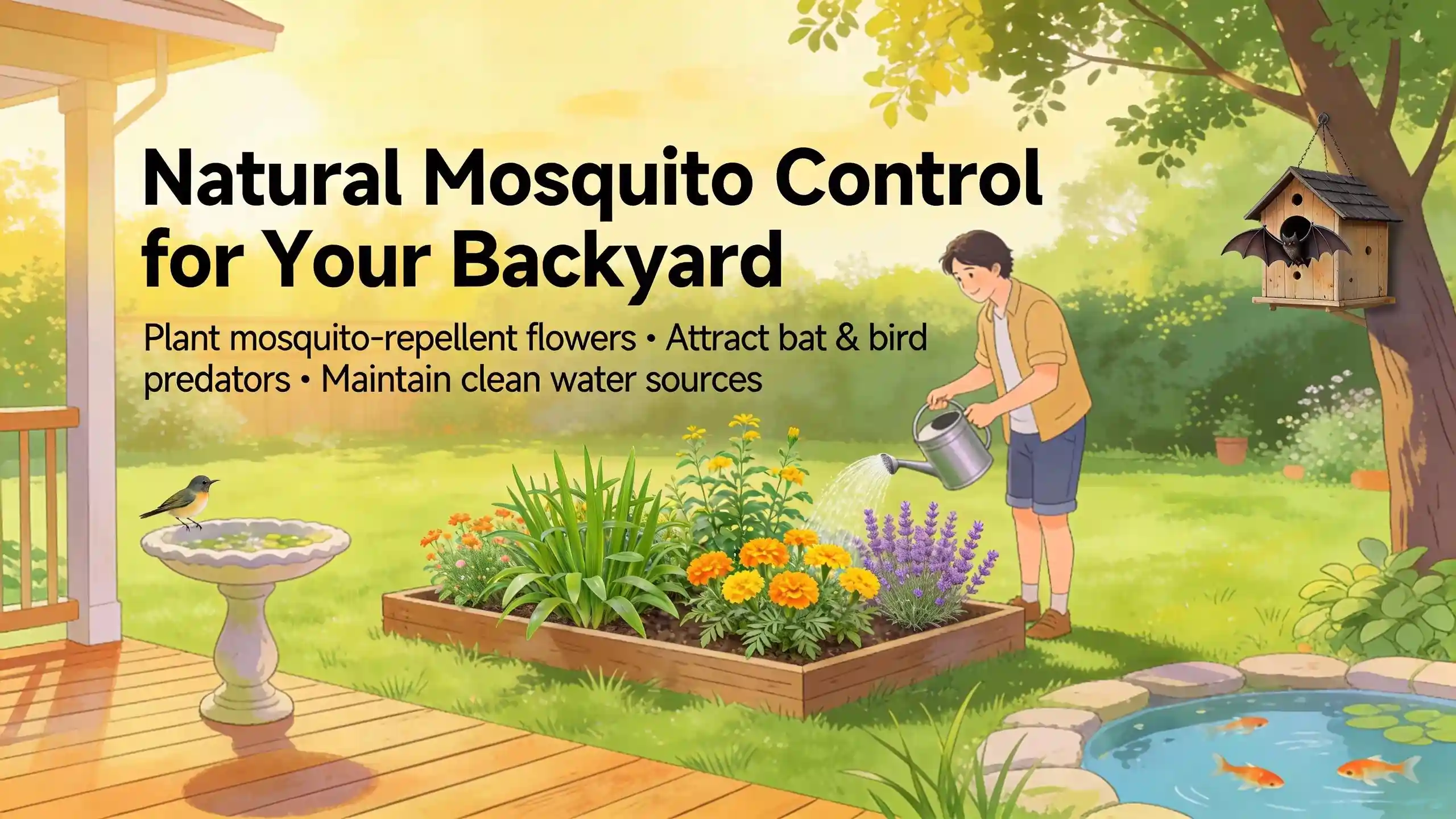
Natural options include repellents like citronella, lavender and eucalyptus, and biological controls such as mosquito-eating fish (e.g., Gambusia) in standing water. These methods can complement professional treatments as part of a broader control strategy.
What are the potential health risks associated with mosquito infestations?
Mosquitoes can transmit diseases such as West Nile virus, Zika and dengue. Infestations put employees and customers at risk and can damage a business’s reputation. Effective mosquito control protects public health and helps maintain a welcoming environment.