

Humane flying squirrel exclusion and attic proofing are essential components of effective pest control in residential settings. Homeowners facing squirrel infestations often seek solutions that not only eliminate the problem but also consider animal welfare. This article will explore the methods, benefits, and local regulations surrounding humane flying squirrel management in Roswell, GA. It will also address how to identify flying squirrel activity, the most effective removal techniques, and the costs associated with professional services. By understanding these aspects, homeowners can take proactive steps to ensure their properties remain safe and free from these creatures.
Differing perspectives on the presence of squirrels often shape how homeowners choose to address potential infestations in their living spaces.
Managing Urban Wildlife: Balancing Resident Attitudes and Squirrel Control
Response to wildlife varies such that one resident may detest squirrels and seek to destroy all that visit his property, while his neighbor, on the other hand, enjoys having them in his yard and may even provide them with food and nesting shelters. Wildlife damage control in eastern cities and suburbs, 1983
Methods
Humane flying squirrel exclusion involves a combination of techniques aimed at preventing squirrels from entering attics and other areas of the home. This method emphasizes not only removing the animals but also ensuring they cannot return. Some of the primary methods include:
- Humane Wildlife Removal Techniques: Utilizing live traps allows for the safe capture of flying squirrels without harming them. These traps should be checked frequently to minimize the time animals spend confined.
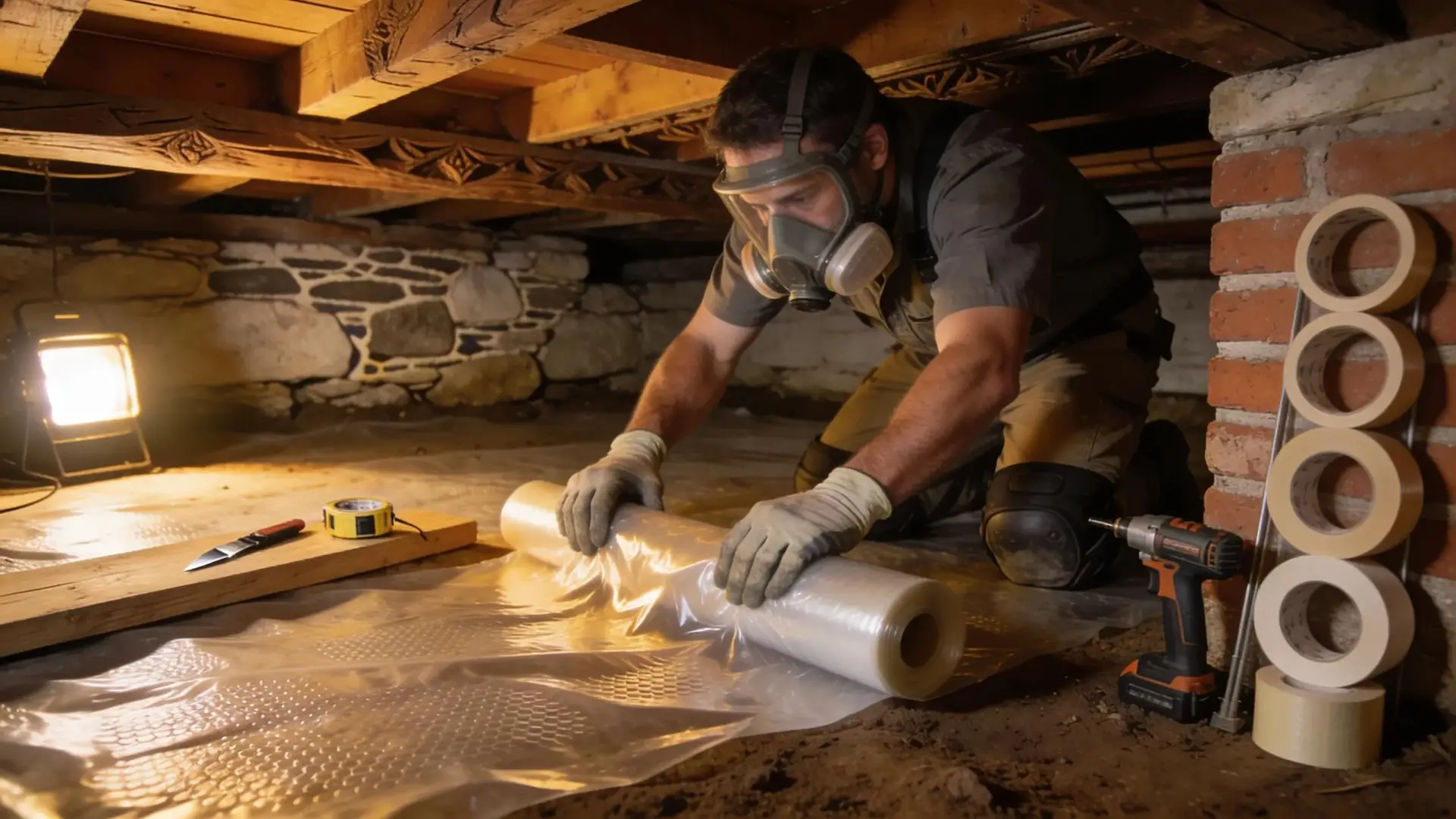
- Exclusion Methods: Seal off entry points in the home to prevent squirrels from entering. This may involve using materials such as metal mesh or hard plastic to cover areas where squirrels might climb or chew their way in.
- Habitat Modifications: Making adjustments around the property can deter squirrels from nesting near your home. This includes trimming tree branches that overhang the roof and removing food sources such as birdseed or pet food outside.
Implementing these methods effectively reduces the likelihood of flying squirrels entering your home.
Benefits
The benefits of humane flying squirrel exclusion extend beyond simple pest management; they provide numerous advantages for homeowners and their families, including:
- Protection for Children and Pets: By keeping flying squirrels out of attics and living spaces, families can avoid potential aggressive encounters and ensure a safer environment for children and pets.
- Preventing Property Damage: Squirrels can cause significant damage by chewing through electrical wiring, insulation, and structural elements of homes. Exclusion helps to maintain the integrity of the property.
- Health Implications of Wildlife Removal: Flying squirrels can carry diseases and parasites. By effectively managing and excluding them from living areas, homeowners can mitigate health risks associated with wildlife in close proximity.
Humane exclusion not only safeguards the property but also aligns with ethical treatment and respect for wildlife.
Local Regulations
Understanding local regulations regarding humane wildlife removal is crucial for effective and lawful pest management. Homeowners must comply with the following:
- Compliance with Humane Trapping Laws: Laws vary by jurisdiction regarding the types of traps that may be used and the treatment of captured wildlife. Familiarizing oneself with these regulations ensures humane practices.
- Understanding Local Wildlife Protection Regulations: Certain species may be protected under local or state laws, and it is essential to know how these regulations affect removal practices and methods.
By adhering to these regulations, homeowners can ensure responsible management of any flying squirrel issues while avoiding legal penalties.
How Can You Identify Flying Squirrel Activity in Roswell Attics?
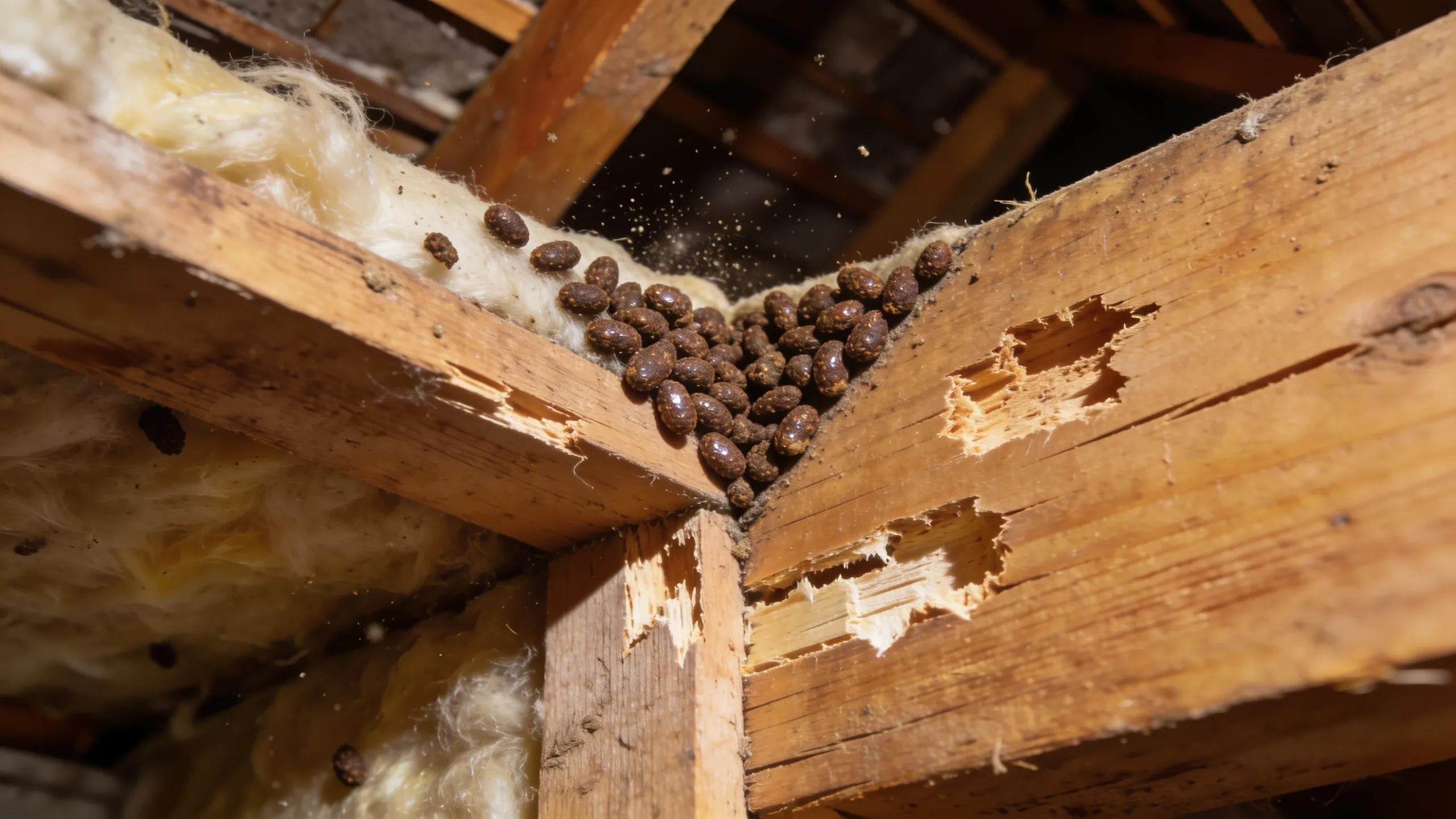
Identifying flying squirrel activity is crucial for timely intervention. Homeowners can look for several signs, including:
- Visual Indicators of Infestation: Squirrels may leave visible droppings or chewing marks around entry points and nesting areas.
- Sounds That Suggest Squirrel Activity: Noises from the attic, including chirps or scurrying sounds, often indicate the presence of flying squirrels.
- Potential Damages to Property: Damaged insulation or holes in walls can signal a squirrel infestation that needs to be addressed.
By recognizing these signs early, homeowners can take action before the problem escalates.
What Are the Common Signs of Flying Squirrel Infestation?
Common signs of flying squirrel infestation include:
- Droppings: Small, dark pellets usually found near nests or entry points.
- Scratch Marks: Visible marks on wood or drywall where squirrels have been active.
- Nocturnal Sounds: Noises during the night when flying squirrels are most active.
These indicators can help homeowners pinpoint the presence of squirrels in their attics.
Why Is Early Detection Crucial for Attic Rodent Exclusion?
Early detection of flying squirrel activity is vital because:
- Prevention of Escalation in Damage: The longer squirrels remain in the home, the more damage they can cause, requiring costly repairs.
- Health Risks Associated with Delayed Action: Prolonged exposure to wildlife can lead to health hazards, including potential diseases transmitted from squirrels to humans.
Recognizing activity early allows for a more effective and less invasive removal process.
What Are the Most Effective Humane Flying Squirrel Removal Techniques in Roswell?
Effective humane removal techniques focus on non-lethal methods that prioritize animal welfare. The best practices include:
- Live Trapping Techniques: Using humane traps designed to capture flying squirrels without causing harm.
- Exclusion Devices and Modifications: Implementing devices that prevent reentry after removal, such as one-way doors.
- Long-Term Prevention Considerations: Regular inspections and maintenance of the property to identify and seal potential entry points.
These techniques ensure flying squirrels are removed humanely and do not return.
How Does Humane Wildlife Removal Protect Your Property and Community?
Humane wildlife removal offers numerous benefits:
- Reduction of Aggressive Encounters: By preventing squirrels from nesting in close proximity, the likelihood of encounters between humans and wildlife decreases.
- Long-Term Effects on Community Wildlife Balance: Responsible removal policies help maintain the ecological balance by allowing populations to be effectively managed without harming the animals.
The implementation of humane removal methods contributes to a healthier interaction between communities and wildlife.
Which Exclusion Methods Are Used to Prevent Flying Squirrel Reentry?
Exclusion methods critical to preventing flying squirrel reentry include:
- Sealing Entry Points: Identifying and sealing cracks and openings larger than a quarter-inch can effectively block access.
- Using Metal and Hard Materials: Employing these materials ensures that squirrels cannot easily chew through barriers.
- Regular Maintenance and Inspection: Periodic checks of the property can reveal potential vulnerabilities that need addressing.
These methods create a comprehensive approach to exclusion, essential for long-term success in pest management.
How Can Homeowners in Roswell and North Atlanta Prevent Future Flying Squirrel Infestations?
Homeowners can take proactive measures to prevent future flying squirrel infestations by implementing several strategies:
- Attic Pest Prevention Tips: Ensuring that attics are sealed, ventilated, and free of food sources can deter squirrels from attempting to enter.
- Maintaining Property Integrity: Regular inspections and maintenance of roofs, chimneys, and eaves can prevent potential entry and reduce nesting sites.
By following these preventative tips, homeowners can significantly decrease the risk of flying squirrel invasions.
What Attic Pest Prevention Tips Are Recommended by Experts?
Expert recommendations for attic pest prevention include:
- Install Vent Covers: Use screens or covers to prevent squirrels from accessing roof vents.
- Remove Food Sources: Ensure that trash is secured and do not leave food out that could attract wildlife.
- Trim Overhanging Branches: Maintain tree branches away from the roof to avoid providing easy access to squirrels.
These practical steps can greatly reduce the chances of future infestations.
How Does Maintaining Property Integrity Support Sustainable Wildlife Exclusion?
Maintaining property integrity is essential to sustainable wildlife exclusion because:
- Prevents Structural Damage: Regular upkeep prevents conditions that facilitate access for squirrels.
- Supports Ecosystem Balance: By managing entry points effectively, homeowners contribute to controlling wildlife populations in a humane way.
Thus, maintaining the home plays a critical role in preventing wildlife issues while respecting the natural environment.
What Are the Costs and Benefits of Professional Humane Flying Squirrel Exclusion Services in Roswell GA?
The costs of professional humane flying squirrel exclusion services can vary based on several aspects, including:
- Costs Associated with Humane Exclusion: Typical expenses can range based on the size of the property and severity of the infestation.
- Benefits of Opting for Professional Services: Professional services ensure that the exclusion method is thorough and compliant with local regulations, offering peace of mind and effectiveness.
Engaging professional services not only offers expertise but also mitigates potential risks associated with DIY methods.
How Is Pricing Determined for Attic Rodent Exclusion and Proofing?
Pricing for attic rodent exclusion and proofing is determined by:
- Severity of Infestation: Higher levels of infestation may require more intensive treatments, raising costs.
- Type of Exclusion Methods Used: Different methods and materials for proofing can affect overall pricing.
- Size of the Property and Accessibility: Larger or harder-to-access areas may incur additional fees due to the increased labor and materials required.
Understanding these factors can aid homeowners in budgeting for effective pest management services.
Why Choose Covenant Pest Services for Trusted Squirrel Proofing in North Fulton?
Covenant Pest Services stands out for several reasons:
- Overview of Service Offerings: The company specializes in humane wildlife removal, focusing on flying squirrels and other common pests in the North Atlanta Metro Area.
- Customer Satisfaction and Environmental Commitment: With a focus on humane practices, Covenant Pest Services ensures that wildlife management maintains ecological balance while addressing homeowner concerns effectively.
These aspects make Covenant Pest Services a trusted choice for those seeking expert pest control in Roswell and North Fulton. For more educational insights into managing common household pests, you can also browse through our blog section.