


Maintaining the integrity of historic homes in Woodstock requires a strategic approach to pest controland moisture management, particularly in the crawlspace. These areas, while often overlooked, are crucial in preventing costly damage from wood-boring insects and moisture-related issues. In this guide, we will explore effective vapor barrier installations, moisture control techniques, and wood-borer defense strategies specifically tailored for the unique characteristics of historic houses in Woodstock.
Homeowners here face distinct challenges due to the age and construction of their properties, making proactive defense essential. This article will cover vital topics such as crawlspace vapor barrier installation, foundational vent improvements, and specific treatments like liquid termiticide and termite bait systems. Further, we will discuss how Covenant Pest Services can help safeguard your historic home through specialized treatment plans, ensuring lasting protection against wood-boring pests.
Crawlspace Vapor Barrier Installation
A crawlspace vapor barrier is a critical component in preventing moisture ingress in the lower levels of a home. These barriers are typically made from polyethylene sheeting that is installed directly on the ground and sealed at the edges to create a moisture-proof environment. The primary function of a vapor barrier is to block moisture from penetrating the crawlspace, which can lead to mold growth and structural damage.
Installing a vapor barrier effectively requires proper preparation, including a clean crawlspace, the right material thickness, and secure installation techniques. This barrier not only helps in moisture control but also inhibits the conditions that attract wood-boring insects. Covenant Pest Services offers professional installation services to ensure that your vapor barrier is both effective and compliant with local building codes.
Experts emphasize that balancing protection with the preservation of original building fabric is essential when addressing moisture in older structures.
Moisture Intrusion Protection for Historic Buildings Conservators and architects working with built heritage at risk from ground moisture intrusion face a difficult choice. Leaving the building unprotected can lead to moisture related deterioration; installing vertical and/or horizontal barriers using standard materials requires chemical or mechanical intervention with the historic fabric. Clay barriers for protecting historic buildings from ground moisture intrusion, 2017
Foundation Vent Improvements

Increasing ventilation in the crawlspace through improved foundation vents is essential for maintaining low humidity levels and promoting air circulation. This is particularly important in older homes where stagnant air can contribute to moisture build-up, creating an ideal environment for pests like termites and carpenter ants.
Improved foundation vents can significantly enhance airflow, thereby reducing moisture levels and the risk of humidity-related issues. Homeowners should consider installing adjustable vents that can be opened or closed depending on seasonal changes to optimize airflow and moisture control.
Crawlspace Clean-Out
Regular cleaning of the crawlspace is vital to prevent pest infestations and promote a healthier home environment. This process involves removing debris, storing items off the ground, and inspecting for signs of pests or moisture damage. A thorough clean-out should ideally be performed at least once a year.
Benefits of a crawlspace clean-out include the elimination of nesting places for insects, improved air quality in the home, and enhanced moisture control. This proactive strategy not only protects the structural integrity of your home but also prepares the ground for vapor barrier installation and pest treatments.
Liquid Termiticide Treatments
Liquid termiticide treatments are a proactive measure against termite infestations, especially crucial for historic homes that may not have been previously treated. These chemical treatments create a protective barrier in the soil surrounding the foundation, preventing termites from entering the structure.
Different types of termiticides exist, varying in application methods and effectiveness. Homeowners should consult with pest control professionals to determine the most suitable product for their specific needs. It’s important to schedule these treatments during favorable weather conditions for optimal results.
Termite Bait Systems
Termite bait systems serve as a monitoring and control solution for termite populations. These systems consist of bait stations strategically placed around the property. When termites feed on the bait, they carry the insecticide back to their colony, effectively reducing the population at the source.
The placement and maintenance of these bait systems require expertise to ensure their efficacy. Regular inspections are critical to monitor termite activity and determine when treatment adjustments are needed. By integrating bait systems with other pest control strategies, homeowners can achieve a comprehensive defense against wood-boring insects.
Research confirms that utilizing advanced bait systems provides a highly effective method for achieving total colony elimination in subterranean termite populations.
Effective Subterranean Termite Colony Control Strategies field data for colony elimination and successful AW control using novaluron. Area-wide elimination of subterranean termite colonies using a novaluron bait, P Shults, 2021
Regular Inspections
Conducting regular inspections of the crawlspace and other critical areas can help detect early signs of moisture issues or pest activity. Homeowners should look for indicators such as soft or buckling wood, mud tubes, or signs of mold and mildew.
Inspections should occur at least twice a year, preferably in spring and fall, to proactively manage and address any issues. Involving a pest control expert during these inspections can provide additional insights and recommendations tailored to historic homes.
Sealing Entry Points
Sealing gaps and cracks in a home’s foundation is vital for preventing pest entry and moisture infiltration. Wood-boring insects often find their way into homes through small openings that may not be immediately visible.
Effective sealing techniques include using silicone caulk for small gaps and employing foam insulation for larger openings. This proactive measure can significantly reduce the likelihood of pest infestations and moisture problems.
Maintaining Low Humidity
Controlling humidity levels in the crawlspace is essential for protecting against mold growth and wood-boring pests. Homeowners can implement several strategies to manage humidity effectively:
- Install a Dehumidifier: This device will help maintain optimal humidity levels.
- Enhance Ventilation: Use vents or mechanical systems that promote airflow.
- Regularly Monitor Humidity Levels: Use a hygrometer to keep track of humidity and adjust your treatment plans accordingly.
These methods will collectively help maintain a stable environment in the crawlspace, reducing the risk of pest infestation.
Why Is Crawlspace Moisture Control Essential for Woodstock Historic Homes?
Crawlspace moisture control is crucial for preserving the structural integrity and longevity of historic homes in Woodstock. These homes often feature materials and construction techniques that can be severely compromised by excessive moisture, leading to rot and attracting harmful pests.
By managing moisture effectively, homeowners can prevent the onset of serious issues such as mold infestations, which not only compromise aesthetics but can also lead to significant health risks. Controlling moisture is thus a foundational aspect of preserving historic homes.
What Are the Signs of Crawlspace Moisture Problems in Cherokee County Homes?
Identifying moisture problems in the crawlspace is critical for timely intervention. Homeowners should watch for the following signs:
- Condensation: Visible moisture on surfaces, especially during humid months.
- Mold Growth: Discoloration and musty odors indicate potential mold issues.
- Wood Damage: Soft spots or discoloration in wooden structures are signs of long-term moisture exposure.
Awareness of these indicators helps homeowners take proactive measures before small issues turn into major repairs.
Which Crawlspace Vapor Barrier Materials and Installation Methods Best Protect Woodstock Homes?
Several materials and methods can be utilized for effective vapor barrier installation in homes across Woodstock:
| Material Type | Installation Method | Cost Effectiveness |
|---|---|---|
| Polyethylene Sheeting | Direct ground application | High |
| Reinforced Barriers | Heavy-duty installation | Medium |
| Foam Core Barriers | Prefabricated panels | High |
Choosing the right material and method greatly influences the effectiveness of moisture control in the crawlspace. Homeowners should consult with professionals to select the best options.
What Are Common Wood-Boring Insects Threatening Historic Homes in Woodstock?
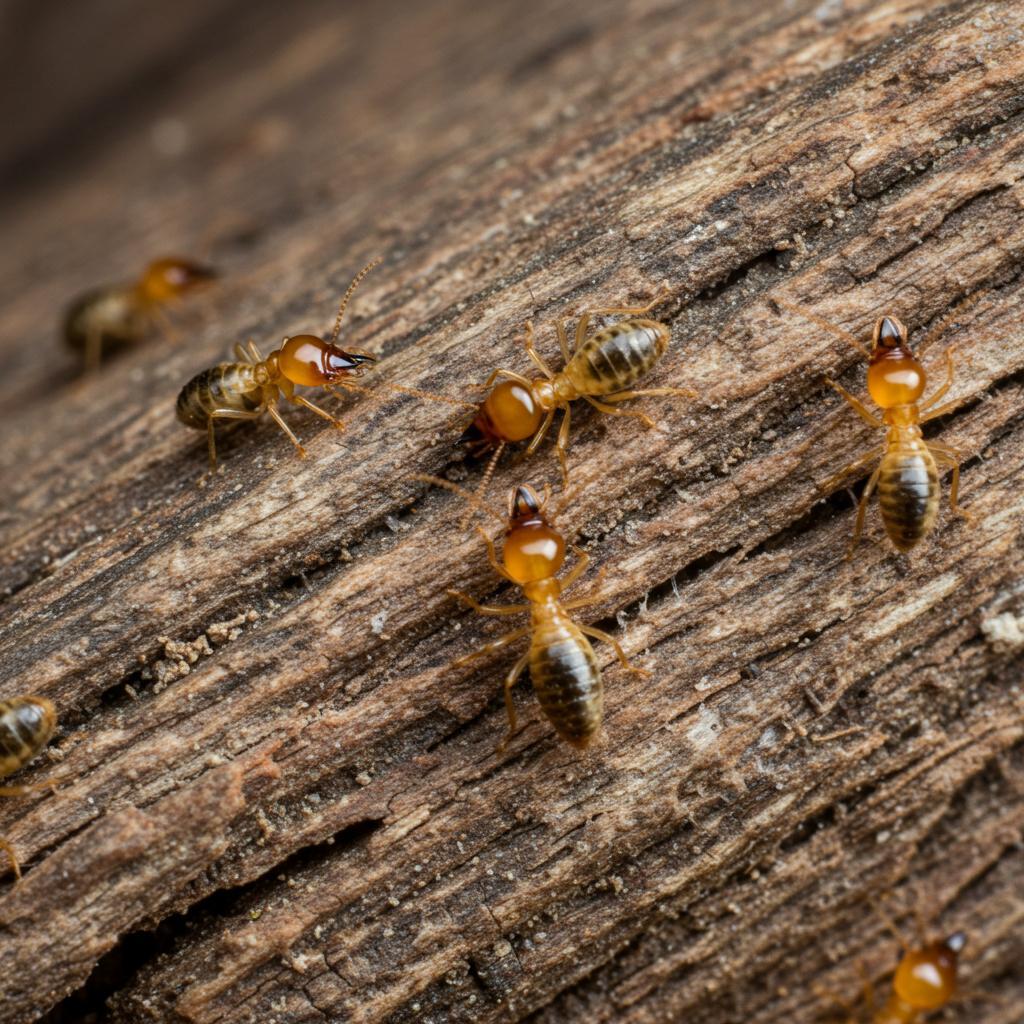
Wood-boring insects pose a significant threat to the structural integrity of historic homes. Common varieties include:
- Termites: Known for their destructive feeding habits that weaken wood structures.
- Powderpost Beetles: Infest and damage hard and softwoods, often requiring extensive remediation.
- Carpenter Ants: Create nesting sites in wood, contributing to structural damage over time.
Understanding these pests is key for homeowners to develop effective prevention strategies.
Effective Prevention Strategies for Crawlspace Vapor Barrier & Wood-Borer Defense
To effectively protect against moisture and wood-boring pests, homeowners can implement several preventative strategies:
- Regular Installation of Vapor Barriers: Timely installation limits moisture ingress.
- Routine Inspections: Regular checks can catch issues early.
- Appropriate Ventilation Solutions: Provide sufficient airflow to maintain low humidity levels.
Employing these strategies will help secure historic homes against threats, preserving their integrity for future generations.
How Can Homeowners Recognize Signs of Wood-Borer Infestation Early?
Early detection of wood-boring insect infestation can save homeowners significant repair costs. Key signs to observe include:
- Frass: This is wood debris that resembles sawdust, indicating where insects are feeding.
- Boring Holes: Small entrance holes in wood structures signal existing infestations.
- Sound: Hollow sounds when tapping wood can suggest internal damage.
Awareness and vigilance are essential for effective pest management.
How Does Integrated Pest Control Prevent Wood-Borer Damage in Woodstock’s Historic Homes?
Integrated pest management (IPM) combines cultural, mechanical, and chemical strategies to control pest populations. By employing a multifaceted approach, homeowners can safeguard their properties effectively.
The benefits of IPM include reduced chemical use, long-term solutions that minimize damage, and enhanced safety for occupants. Specialists, like those at Covenant Pest Services, utilize IPM methods to protect historic homes while maintaining the historical integrity of the structure.
How Can Crawlspace Moisture Management Reduce Wood-Borer Risks?
Proper moisture management within the crawlspace directly influences the likelihood of wood-boring pests. By:
- Installing Effective Barriers: Vapor barriers can prevent moisture accumulation.
- Enhancing Ventilation: This reduces humidity levels, making the environment less conducive to pests.
- Regular Maintenance: Active management practices can ensure consistent moisture control.
Implementing these methods collectively reduces the risk of infestations, thus ensuring the longevity and preservation of historic homes.
How Does Covenant Pest Services Safeguard Woodstock Historic Homes with Specialized Treatment Plans?
Covenant Pest Services offers tailored pest control strategies for historic homes in Woodstock. Their approach includes:
- Assessment of Unique Risks: Evaluating the home’s structure and nearby environment.
- Custom Treatment Plans: Addressing specific pest threats like termites and moisture issues.
- Expert Installation of Vapor Barriers and Pest Control Products: Ensuring best practices are followed.
Homeowners can trust Covenant’s commitment to effective pest management and moisture control, ensuring their homes remain protected.
How Is Crawlspace Vapor Barrier Installation Integrated into Covenant’s Pest Defense Solutions?
Covenant Pest Services emphasizes the critical nature of vapor barrier installation in their pest defense solutions. Their comprehensive services include:
- Site Inspection: Evaluating crawlspace conditions and moisture levels.
- Material Selection: Assisting homeowners in choosing the appropriate barriers based on their needs.
- Professional Installation: Skilled technicians ensure that the installation meets high standards for effectiveness.
By integrating vapor barrier installation into a wider pest management plan, Covenant works to safeguard historic homes against decay and infestation.
What Frequently Asked Questions Help Woodstock Homeowners Understand Crawlspace and Wood-Borer Defense?
Several questions can guide homeowners in effectively managing crawlspace and pest issues:
- How often should I inspect my crawlspace? Regular inspections every six months are recommended.
- What signs indicate a pest infestation? Look for frass, softwood, or mud tubes.
- How can I improve humidity in my crawlspace? Utilize dehumidifiers and ensure proper ventilation.
These FAQs serve as a resource for educating homeowners about their options and the importance of proactive maintenance.
What Are Typical Costs and Timelines for Termite and Vapor Barrier Treatments?
Understanding the costs associated with termite and vapor barrier treatments can aid homeowners in budgeting effectively. Typical costs for treatments in Woodstock include:
- Liquid Termiticide Treatments: Ranging from $500 to $1,800, depending on the size of the property and severity of the infestation.
- Vapor Barrier Installation: Typically costs between $1,200 and $2,500, influenced by material choices and labor.
Timelines for treatment effectiveness can vary based on the method used, ranging from immediate impact to long-term solutions that require ongoing monitoring. Overall, early investment in these treatments can protect the value of historic homes and prevent costly repairs down the line.