



When it comes to wildlife removal dallas ga, wooded lots in Dallas, GA face high wildlife activity and tick-heavy underbrush, making trapping and yard barrier treatments essential. Covenant Pest Services, an Acworth, GA-based provider serving the North Atlanta Metro area, removes nuisance wildlife and applies perimeter flea/tick barrier sprays, backed by a a notable share satisfaction guarantee and quarterly maintenance plans.
Key Takeaways
- Wooded lots attract wildlife that carry fleas and ticks into residential areas year-round.
- Professional yard barrier spraying eliminates 2+ species of ticks before they infest homes.
- Wildlife trapping removes problem animals while yard treatments create 30-day pest protection zones.
- Covenant Pest Services combines trapping and spraying for complete wooded property pest management.
Why Do Wooded Dallas, GA Yards Attract Wildlife?
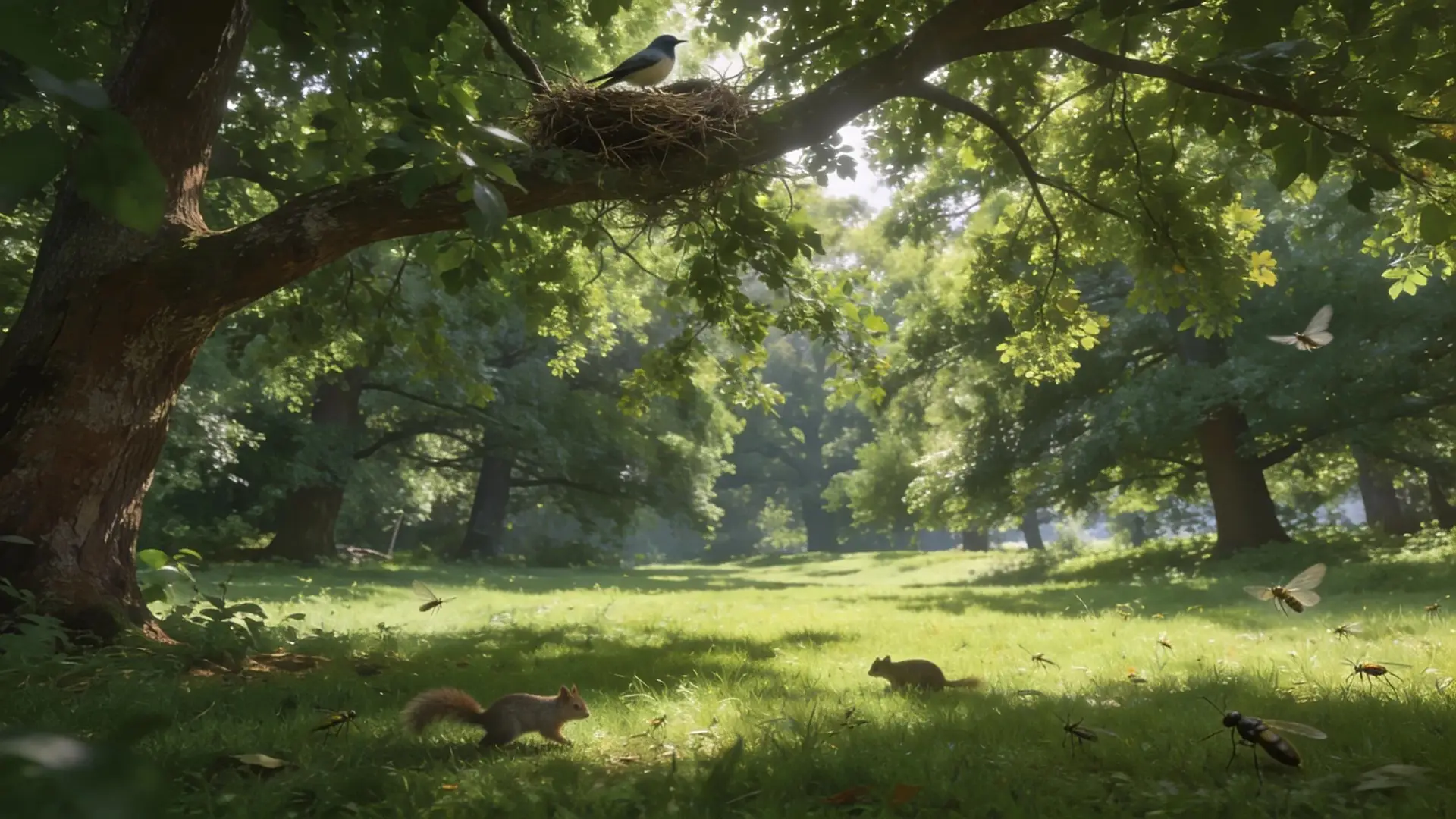
Dense tree cover, shaded lawns, and acreage give wildlife everything needed to nest, hunt, and hide close to the house. Paulding County properties with mature woods and open yard space create natural corridors between forest and lawn. Raccoons, opossums, and other animals move freely between them. That easy access explains why so many Dallas homeowners on wooded lots report animals denning under decks or rummaging through attics.
Outdoor pest pressure does not spare large properties either. Established mosquito control services already operate in Dallas, Georgia, a sign that local yards face real, ongoing outdoor pest demand. Yard size does not offer protection on its own; sprawling acreage and small suburban lots alike face the same seasonal pest pressure. Ticks, fleas, and nuisance wildlife thrive wherever cover and moisture exist.
What Makes a Yard More Attractive to Wildlife?
Tall grass, leaf litter, and brush piles give small mammals shelter and easy travel routes. Standing water, compost bins, and unsecured trash add food sources that keep animals returning night after night.
Are Ticks a Bigger Concern on Wooded Lots?
Yes. Wooded and overgrown yards hold humidity and shade that ticks need to survive, and their bite carries real risk. Ticks are widely recognized for transmitting disease to humans and pets, which makes untreated brush a genuine health concern, not just a nuisance.
A thorough flea and tick yard treatment dallas homeowners can rely on targets these hiding spots directly. Covenant Pest Services, based in nearby Acworth, GA, extends that same yard-focused approach to Dallas properties, treating tree lines, shaded beds, and grassy edges where pests concentrate.
What Wildlife Turns Up On Paulding County Land?
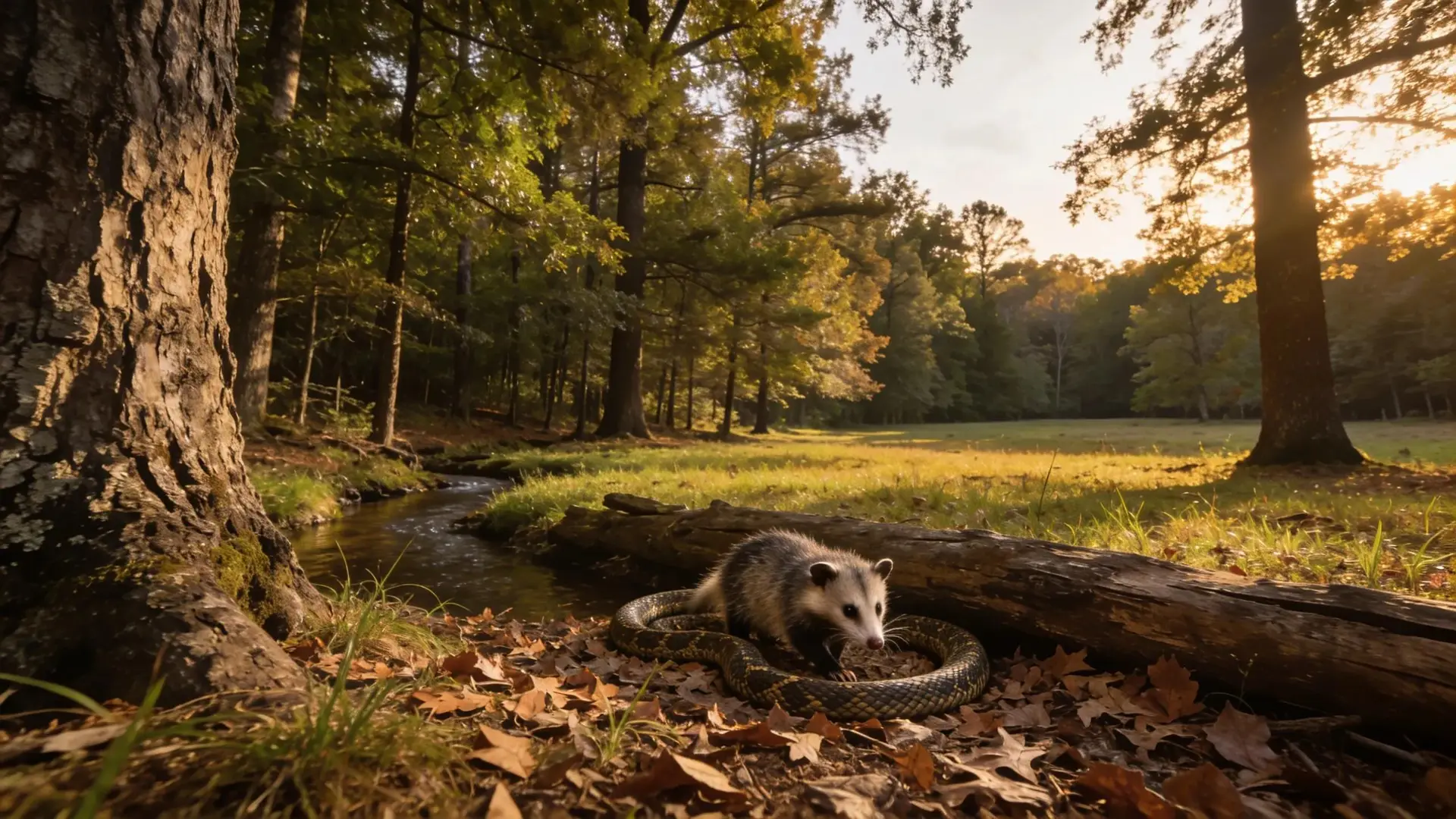
Wooded lots and open acreage around Dallas, Georgia draw opossums, raccoons, and snakes looking for shelter, food, and water. Large yards create natural corridors for these animals, and homes bordering tree lines or creek beds see the most activity. Left unaddressed, wildlife intrusions damage attic insulation, chew wiring, and leave families exposed to disease-carrying pests that hitch a ride indoors.
Every property responds differently to wildlife pressure, which is why wildlife removal in Dallas, GA starts with a close look at the land itself, not a generic checklist. A thorough on-site inspection comes first, before any treatment plan takes shape. Technicians walk the property, check crawl spaces and attic access points, and note signs of denning or nesting activity.
Customers across the North Atlanta area have described these initial inspections as some of the most detailed they have experienced from a pest control visit. That level of scrutiny matters most on acreage. Entry points hide in wood piles, under decks, or along fence lines that smaller suburban lots simply don’t have.
What animals are most common on wooded Paulding County properties?
Opossums rank among the most frequent wildlife calls in the Dallas area, often drawn by pet food, trash, or crawl space shelter. Raccoons and snakes follow close behind, particularly on lots backing up to woods or water. Opossum trapping in Dallas, GA addresses one of the more persistent intrusions homeowners face on rural and semi-rural parcels.
Does every property need the same wildlife treatment?
No. Recommendations stay specific to what a property actually shows during inspection, without pushing services a home doesn’t need. That restraint builds trust over time, reinforcing a broader commitment to protecting homes across the region through dependable, honest service rather than one-size-fits-all treatment plans.
How Does Flea And Tick Barrier Spraying Work?
Barrier spraying combines two treatment methods to protect wooded yards near Dallas, Georgia from ticks and fleas at every life stage. A flea and tick yard treatment in Dallas relies on high-pressure liquid applications that form a long-lasting protective barrier around the home’s perimeter. That barrier stops outdoor pests before they reach a porch, patio, or play area.
Large lots and acreage properties in Paulding County often border wooded tree lines where ticks thrive in shaded, humid conditions. Professional-grade liquid treatments target these peak activity zones directly, controlling ticks and fleas before pets or family members ever encounter them. Timing matters here — spraying focuses on the spots where pests actually congregate, not just the open lawn.
What About Dense Grass and Ground Cover?
Dense lawn areas and thick ground cover need a different approach than open turf. Granular treatments handle this job, reducing flea and tick larvae before they mature into biting adults. This step matters most for properties with overgrown edges, brush piles, or natural areas bordering the yard, which are common across Dallas’s rural and semi-rural neighborhoods.
Why Combine Liquid and Granular Applications?
One method alone rarely solves a tick or flea problem on a large property. Specialized granular application reaches deep into the soil, disrupting the pest life cycle at its source rather than just knocking down visible adults. Paired with the liquid perimeter barrier, this two-part strategy prevents future outbreaks instead of offering short-term relief.
Treatment Method Comparison:
Together, these treatments give Dallas homeowners a defense system built for wooded, tick-prone terrain. Not a one-time spray that fades after the first rain.
Why Do Fleas And Ticks Keep Returning?
Fleas and ticks keep returning because a single treatment rarely reaches every stage of their life cycle. Ticks develop through four distinct stages — egg, larva, nymph, and adult — and each stage reacts differently to control methods. A treatment that kills adult ticks may leave eggs and larvae untouched, allowing a fresh wave to emerge within weeks.
Timing complicates matters further. Depending on the species and the surrounding environment, a tick’s life cycle can stretch from a few weeks to several years. Wooded lots and acreage around Dallas, Georgia create exactly the humid, shaded conditions ticks and fleas need to persist across seasons, which is why one-time sprays rarely solve the problem for long.
Why doesn’t one treatment get rid of fleas and ticks for good?
A single application targets whatever stage happens to be active at that moment, not the eggs or larvae hiding in shaded ground cover. Effective flea and tick yard treatment in Dallas addresses pests at every life stage, breaking the cycle before it restarts. That’s the difference between a quick knockdown and lasting protection for families and pets.
What makes a yard treatment safe for kids and pets?
Formulations matter as much as timing. Kid-friendly, pet-friendly, and pollinator-friendly products control fleas and ticks without exposing the household to unnecessary risk. They work without locking homeowners into long-term contracts.
Homeowners dealing with recurring bites should consider:
- Reinfestation from untreated egg and larval stages
- Wildlife traffic through wooded or overgrown property lines
- Shaded, humid pockets in the yard where ticks survive longest
A Acworth, GA-based provider serving Dallas, Georgia builds treatment schedules around these patterns rather than a single spray.
What Should Dallas Homeowners Do Next?
Dallas, Georgia homeowners on wooded lots start by scheduling a full property inspection before wildlife or ticks establish a foothold. Paulding County’s mix of tree cover, creeks, and open pasture creates prime conditions for opossums, rodents, and outdoor pests to move in unnoticed. Waiting until an animal is already denned under a porch or a yard is crawling with ticks costs more time and money than early action.
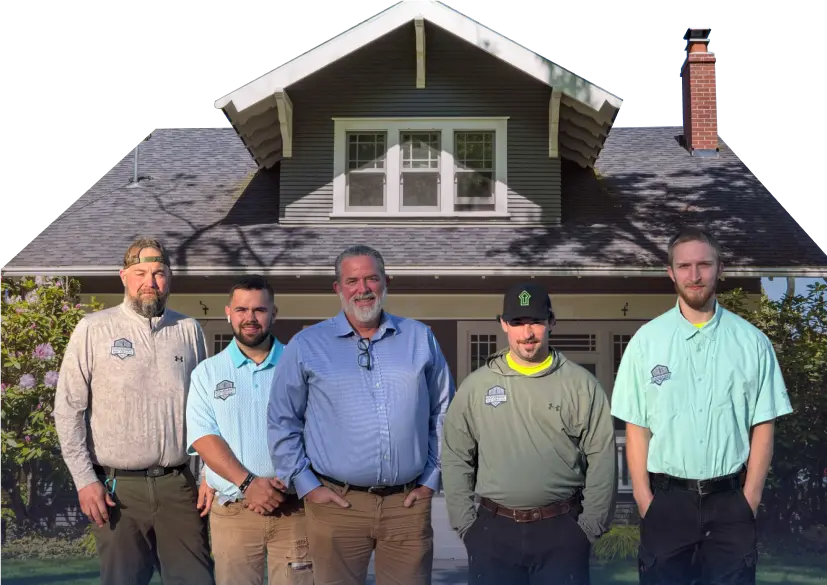
Wildlife removal in Dallas, GA requires a trained eye for entry points, droppings, and den locations across sprawling acreage. A small, hands-on team of two handles each property personally rather than rushing through a checklist, which matters on large rural lots where every acre needs individual attention.
How does opossum trapping work on large properties?
Opossum trapping in Dallas, GA starts with locating active den sites near woodpiles, sheds, or crawl spaces common on acreage properties. Humane traps get placed along travel paths identified during inspection, then checked on a regular schedule until the animal is removed and entry points are sealed.
What does yard treatment involve for ticks and fleas?
Flea and tick yard treatment in Dallas targets outdoor spaces where pets and kids play, not just the house itself. Treatment programs are built specifically to control fleas and ticks in yards, addressing eggs and larvae before they reach biting adulthood.
Customers across the service area report a noticeable drop in pest activity once treatment begins. Consistent follow-up keeps wooded, tick-prone properties protected season after season.
FAQ
Why do wooded lots in Dallas, GA attract wildlife?
Dense tree cover and open yard space create natural corridors between forest and lawn, giving raccoons, opossums, and other animals easy access to nest and hide near homes.
What makes a yard more attractive to wildlife?
Tall grass, leaf litter, and brush piles offer shelter and travel routes, while standing water, compost bins, and unsecured trash provide steady food sources that draw animals back nightly.
Why are ticks a bigger concern on wooded properties?
Wooded, overgrown yards hold the humidity and shade ticks need to survive, and their bites carry real disease-transmission risk to both humans and p
Conclusion
In closing, protecting your wooded property in Dallas, GA requires a comprehensive approach that addresses both wildlife concerns and seasonal pest pressures. By combining professional wildlife trapping with targeted flea. Tick barrier treatments, you create a safer, more comfortable environment for your family and pets. Covenant Pest Services brings decades of experience. Faith-driven integrity to every job, treating your property with the same care we’d extend to our own homes. Your peace of mind matters to us.