


Pest control within the restaurant industry is crucial not only for maintaining health standards but also for creating a safe dining environment. Restaurants in Smyrna and Cumberland face unique pest challenges due to their climate and local regulations. Understanding the importance of pest management is key to ensuring compliance with health inspections while providing a safe setting for patrons. Characterized by potential health risks, pest infestations can lead to significant consequences, including failing inspections that can jeopardize a restaurant’s reputation. This article delves into the common pests affecting local restaurants, the implications for health inspections, and how effective pest control can mitigate risks, covering essential practices and tailored strategies offered by local providers like Covenant Pest Services. We will also discuss preventative measures that restaurant owners can easily implement to maintain compliance and uphold food safety standards.
What Are the Most Common Pests Threatening Restaurants in Smyrna and Cumberland?
Restaurants in Smyrna and Cumberland commonly face infestations from various pests that can compromise food safety and cleanliness. Among these, rodents such as rats and mice, cockroaches, ants, flies, and termites pose significant threats to restaurant operations and health inspections. Recognizing these pests and understanding their behaviors is fundamental for restaurants to implement effective prevention strategies.
Rodents (Rats and Mice)
Rodents present a notable threat to restaurants due to their rapid reproductive rate and ability to spread diseases. Signs of rodent activity include droppings, gnaw marks, and scurrying noises, which can indicate an established infestation. The presence of rodents not only contaminates food but can also lead to structural damage, ultimately harming a restaurant’s reputation. Effective prevention strategies involve maintaining sanitation, sealing entry points, and regularly inspecting premises to identify signs of infestation.
Cockroaches
Cockroaches thrive in warm, moist environments, making kitchens and food storage areas prime locations for infestations. Signs of cockroach presence include droppings and egg cases. These pests are known carriers of harmful bacteria, posing severe health risks to workers and patrons. Preventing cockroach infestations involves thorough cleanliness practices, including regular cleaning of food prep areas, sealing gaps, and eliminating sources of moisture that attract them.
Ants (Carpenter and Pavement)
Ant infestations, particularly from carpenter and pavement ants, can disrupt restaurant operations and cause damage. Carpenter ants can nest in wood, leading to structural harm, while pavement ants are often seen foraging for food. Identifying trails and nests allows for prompt control measures. Prevention includes maintaining clean environments, sealing food containers, and removing potential nesting sites.
Flies
Fly infestations are common in restaurants, especially during warmer months. Flies can contaminate food and surfaces with pathogens. Common identification signs include their presence around waste areas and food. Effective prevention strategies include proper waste management, covering food, and maintaining cleanliness in dining and kitchen areas.
Termites
While less common in food service areas, termites can undermine a restaurant’s structure. Signs of termite activity include mud tubes and wood that sounds hollow when tapped. Advanced pest control methods should be in place to prevent infestations, as these pests can lead to expensive structural repairs.
| Pest Type | Identification Signs | Prevention Strategies |
|---|---|---|
| Rodents | Droppings, gnaw marks, scurrying noises | Sanitation, sealing entry points |
| Cockroaches | Droppings, egg cases | Cleanliness, moisture elimination |
| Ants | Trails, nesting sites | Food storage, cleanliness |
| Flies | Presence around waste and food | Waste management, food covering |
| Termites | Mud tubes, hollow-sounding wood | Pest control measures |
Understanding these common pests is essential for restaurant operators to implement proactive measures. Effective management strategies play a critical role in upholding health standards and ensuring successful inspections.
How Do Local Pest Infestations Affect Health Inspection Outcomes?
Local pest infestations significantly impact health inspection outcomes for restaurants in Smyrna and Cumberland. The presence of pests during inspections can lead to health code violations, resulting in fines and, in severe cases, temporary closure. Inspections typically focus on visible signs of pest activity, sanitation practices, and compliance with health regulations. Restaurants that fail inspections may find their reputations tarnished, leading to decreased customer trust and potential financial loss. Addressing infestation concerns not only helps in passing inspections but also fosters a safe and healthy eating environment for customers.
How Can Restaurants Prepare for Health Inspections Through Effective Pest Control?
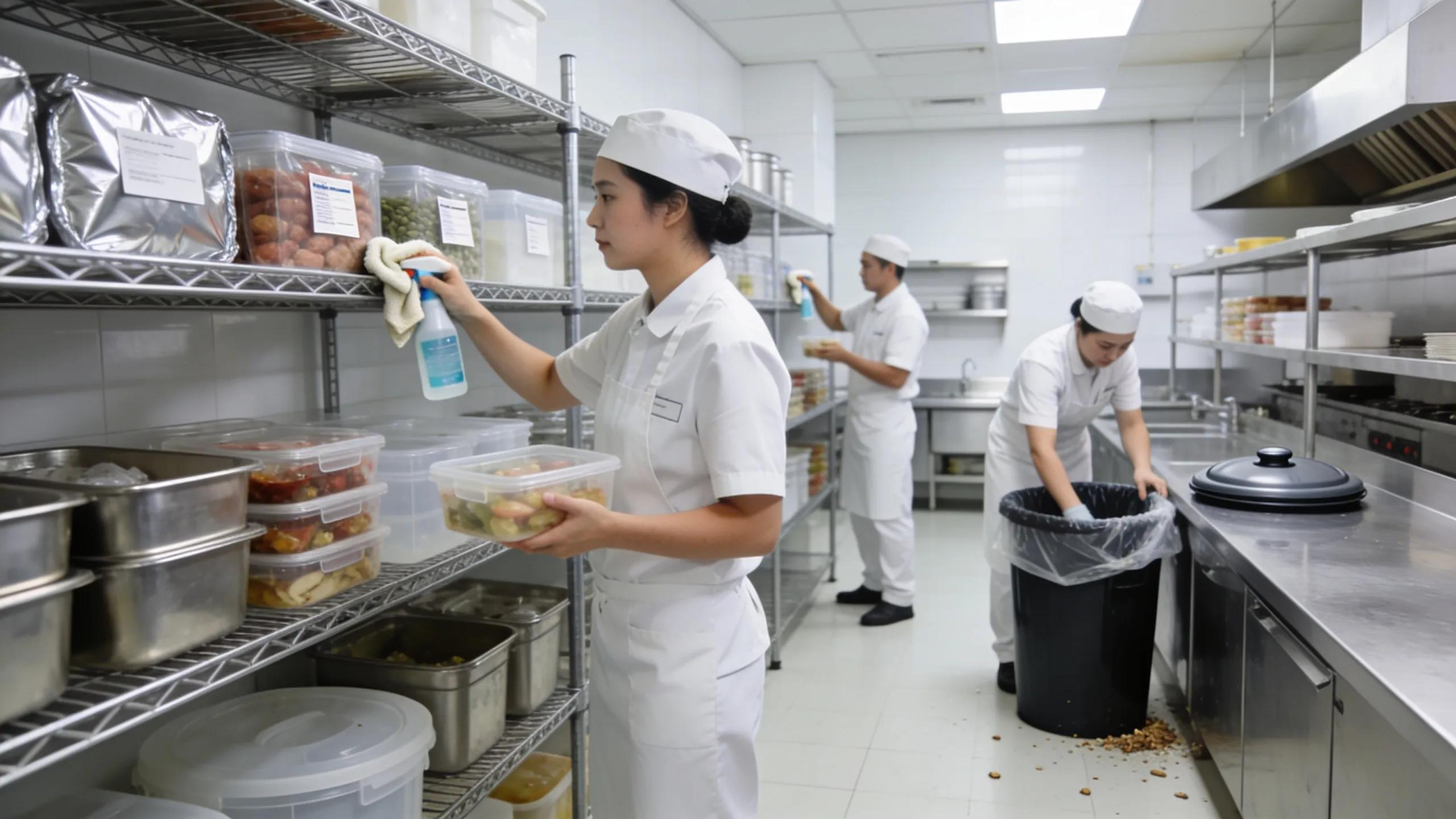
Preparing for health inspections through effective pest control involves several proactive measures that reinforce food safety compliance. Key preparation strategies include conducting regular pest inspections, implementing barrier protection measures, and training employees about sanitation and pest management.
- Regular Inspections: Schedule frequent pest control assessments and maintenance to identify and address potential infestations before inspections occur. This helps in maintaining a pest-free environment during critical inspection periods.
- Barrier Protection: Install barriers such as screens on windows and doors to prevent pests from entering the restaurant, enhancing overall pest management efforts.
- Employee Training: Equip staff with the knowledge of proper sanitation techniques and the importance of pest control, creating a culture of vigilance and accountability.
To reinforce these preparations, Covenant Pest Services offers tailored pest control solutions ideal for restaurant health inspection readiness, ensuring compliance with local standards. By integrating pest management into everyday practices, restaurants can effectively reduce the risk of infestations.
What Are the Step-by-Step Inspection Preparation Tips for Smyrna Food Establishments?
When preparing for health inspections, restaurants should follow a series of essential steps to ensure compliance and readiness. These tips include:
- Thorough Cleaning: Ensure that cooking and preparation areas, storage spaces, and dining sections are impeccably clean, eliminating any hiding spots for pests.
- Check Food Storage: Keep food items in sealed containers to avert pest access and regularly check expiration dates to maintain food safety standards.
- Document Maintenance and Cleaning: Maintain detailed logs of cleaning schedules and pest control measures, providing inspectors with evidence of complied efforts during evaluations.
By adhering to these steps, local restaurants will be better positioned to demonstrate compliance and readiness for health inspections.
Which Integrated Pest Management Strategies Ensure Long-Term Compliance?
Integrated Pest Management (IPM) strategies focus on long-term prevention and reduction of pest populations through a combination of techniques. Key strategies include:
- Regular Monitoring and Inspection: Frequent inspections help identify pest activity early, allowing for timely intervention before infestations escalate.
- Environmental Control: Managing the environment through proper sanitation and waste disposal significantly contributes to reducing pest attraction and harborages.
- Education and Training: Continuously educating staff about pest control practices and promoting proactive measures create heightened awareness in managing pests effectively.
These strategies work together to maintain a level of compliance necessary for successful health inspections, supporting businesses in their operational success.
What Specialized Pest Control Services Does Covenant Pest Services Provide for Commercial Kitchens?
Covenant Pest Services offers specialized pest control solutions tailored for commercial kitchens. Their offerings ensure alignment with health standards and provide targeted control of common pests including rodents, cockroaches, and ants. Services provided include:
- Comprehensive Inspections: Thorough evaluations identify potential pest issues before they become problematic during health inspections.
- Customized Treatment Plans: Developed based on unique restaurant needs, these plans focus on preventing specific pest activities relevant to the area.
- Ongoing Monitoring: Continuous monitoring services ensure that pest activities are managed effectively and compliantly.
These tailored pest management solutions help restaurants in Smyrna and Cumberland maintain their health and safety standards.
How Are Customized Pest Management Plans Tailored to Smyrna and Cumberland Restaurants?
Customized pest management plans consider the specific challenges faced by restaurants in Smyrna and Cumberland. These plans involve:
- Assessment of Local Pests: Reviewing common pest threats in the area allows for targeted strategies that are relevant and effective.
- Compliance with Local Regulations: Ensuring that all aspects of the pest management plan align with health code requirements recognized regionally.
- Restaurant-Specific Needs: Each plan addresses the unique layout, food types, and risk factors present in individual establishments, ensuring comprehensive coverage.
Through tailored pest management plans, Covenant Pest Services ensures that local restaurants are well-prepared for health inspections and able to maintain a pest-free environment.
What Pest Treatment Options Support Health Code Compliance in Food Service Facilities?
Various pest treatment options are available to support health code compliance in food service facilities. Key treatments include:
- Targeted Baiting Systems: Using bait stations strategically placed to attract and eliminate specific pests while minimizing exposure to non-target species.
- Insect Growth Regulators: These products disrupt the lifecycle of pests, particularly effective against cockroaches and flies, reducing future populations.
- Sanitation Services: Professional cleaning solutions help eliminate pest attractants, decreasing the likelihood of future infestations.
Employing these treatments can significantly enhance compliance with health codes, enabling smooth operations and successful health inspections.
Which DIY Pest Prevention Practices Can Restaurant Owners Implement Between Professional Treatments?
In between professional pest control treatments, restaurant owners can implement several DIY pest prevention practices to bolster their pest management efforts:
- Routine Cleaning: Establish a consistent cleaning schedule for all areas of the restaurant, ensuring no food debris or spills attract pests.
- Proper Food Storage: Implement rigorous food storage protocols, ensuring that all food items are in sealed, pest-proof containers, and regularly checking for spoilage.
- Seal Cracks and Entrances: Identify and seal any potential entry points around doors, windows, and utility lines to deter pests from gaining access.
These practices reinforce professional pest management efforts, creating a comprehensive approach to pest prevention.
How Should Commercial Kitchens Maintain Cleanliness to Reduce Pest Attraction?
Maintaining cleanliness is essential for commercial kitchens to reduce attraction for pests. Key strategies include:
- Daily Cleaning Routines: Establish detailed daily cleaning checklists that cover all kitchen areas, ensuring thorough sanitation after service.
- Proper Waste Management: Use covered trash cans and frequent waste disposal to minimize odors and reduce pest attraction.
- Employee Training: Train kitchen staff to prioritize cleanliness consistently and recognize early signs of pest activity to act swiftly.
By implementing these strategies, commercial kitchens can effectively minimize pest attraction and enhance food safety.
What Landscaping and Structural Measures Help Prevent Pest Entry in Food Establishments?
Landscaping and structural integrity are critical in preventing pest entry into food establishments. Key measures include:
- Maintain Vegetation: Trim back plants and shrubs away from building exteriors to eliminate potential pest harborage areas.
- Seal Foundation Cracks: Regularly inspect the building’s foundation for cracks or gaps and seal them to prevent pest infiltrations.
- Install Screens and Barriers: Utilize screens on windows and doors to keep flying pests out while allowing ventilation.
These structural and landscaping measures complement pest management practices, creating several layers of prevention.
Why Is Local Expertise Crucial for Restaurant Pest Control in Smyrna and Cumberland?
Local expertise is crucial for effective restaurant pest control in Smyrna and Cumberland due to the unique environmental factors and regulatory standards specific to the area. Local professionals understand:
- Regional Pest Patterns: Knowing which pests are most active in the area ensures targeted management strategies are implemented.
- Knowledge of Local Regulations: Awareness of local health codes allows pest control providers to develop compliant treatment plans tailored to each establishment.
- Community Engagement: Local providers foster relationships within the community, enhancing their ability to offer tailored solutions that resonate with their clients’ needs.
Utilizing local expertise ensures restaurants can effectively manage pest challenges while remaining compliant with relevant health regulations.
How Do Regional Pest Patterns Influence Treatment Approaches?
Regional pest patterns heavily influence treatment approaches utilized by pest control professionals. Observations indicate that specific pests thrive during different seasons, necessitating adaptive management strategies. For instance:
- Seasonal Monitoring: Increased scrutiny during seasons known for particular pest activity allows for immediate action before infestations escalate.
- Tailored Treatment Protocols: Interventions may vary based on time of year, with proactive measures taken ahead of known pest peaks.
- Local Climate Considerations: Understanding the local climate further informs which pest issues may be more severe, leading to tailored solutions based on moisture levels or temperature variations.
Awareness of these factors equips pest control providers to better address client needs throughout the year.
What Are the Benefits of Working with a Community-Focused Pest Control Partner?
Working with a community-focused pest control partner like Covenant Pest Services offers several key advantages for restaurant owners:
- Deep Local Knowledge: Community-focused providers possess intimate knowledge of local pest issues, ensuring effective solutions relevant to the area.
- Customized Services: Services tailored to meet specific community needs lead to more effective pest management outcomes compared to standard, one-size-fits-all approaches.
- Enhanced Trust and Reliability: Partnering with a local provider fosters trust, as they often have a vested interest in the success of their community’s businesses.
Engagement with community-focused partners ensures quality pest management, fostering compliance and safety within the local restaurant industry.
How Can Restaurant Owners Contact Covenant Pest Services for Customized Pest Defense Solutions?
Restaurant owners seeking efficient and customized pest defense solutions can easily contact Covenant Pest Services for support. They offer various channels for inquiries, including their website and an informative email platform. Knowledgeable representatives are prepared to discuss unique pest challenges and provide tailored solutions for local restaurant needs, reinforcing commitment to maintaining health standards. For prompt assistance, restaurant owners can reach out via phone, ensuring quick resolutions to pressing pest control issues.
Phone: (678) 437-1234
What Are the Easy Steps to Schedule a Commercial Kitchen Pest Inspection?
Scheduling a pest inspection for commercial kitchens is a straightforward process. Restaurant owners should consider the following steps:
- Contact the Provider: Reach out to Covenant Pest Services directly through their provided contact number or website.
- Prepare for the Inspection: Inform staff and prepare the kitchen by ensuring accessibility to all areas that require inspection.
- Follow Up: After scheduling, confirm inspection details with the provider and review any recommended prep work.
By following these steps, restaurant owners ensure that inspections proceed smoothly and effectively address any existing pest concerns.