

Squirrels and raccoons can cause significant damage to attics, leading to health hazards and costly repairs. Understanding how to address infestations effectively ensures the safety and sanitation of your home. This comprehensive guide to attic restoration after squirrel or raccoon infestations focuses on identifying, cleaning, and preventing future wildlife issues. Homeowners often grapple with unpleasant odors, structural damage, and the presence of harmful contaminants. Seeking expert pest control solutions like those provided by Covenant Pest Services can further enhance your cleanup efforts and guarantee a healthier living environment. The article will cover identification methods, damage assessment, cleanup processes, prevention strategies, and when professional help is necessary.
How to Identify Squirrel and Raccoon Infestations in Attics?
Identifying wildlife infestations in attics is critical for mitigating damage and health risks. Squirrels and raccoons typically leave distinct signs of their presence, which can include noises, droppings, and nesting materials. By being aware of these indicators, homeowners can act quickly and prevent larger problems from developing. Regular checks can significantly enhance home safety and sanitation.
What Are Common Signs of Squirrel Infestation in Attics?
Common signs of squirrel infestations include:
- Noises: Scratching sounds or chatter can be heard as squirrels move about.
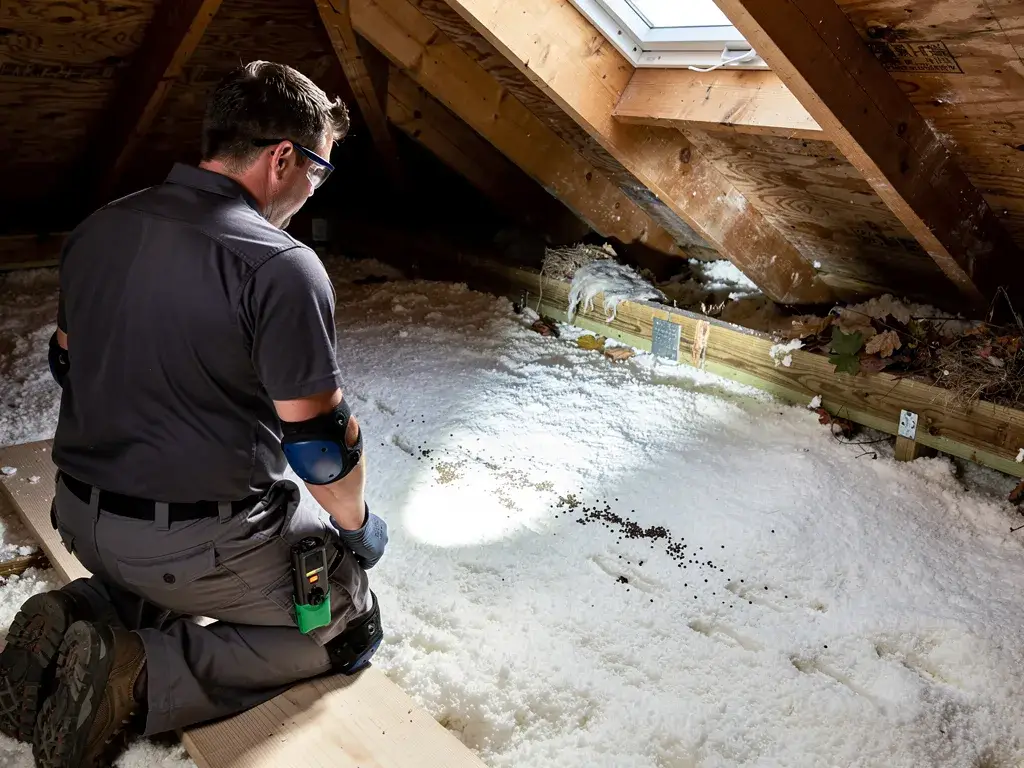
- Droppings: Squirrel droppings are small and resemble dark pellets, often found near nesting areas.
- Nesting Materials: Look for evidence of nesting, such as shredded fabric or insulation.
Recognizing these early indicators can lead to prompt action and prevent extensive damage, as neglecting a squirrel invasion can exacerbate repair costs.
How to Recognize Raccoon Presence and Contamination Risks?
Raccoons often exhibit behaviors that leave behind clear signs of contamination:
- Physical Signs: Raccoons may tear open vents or gable covers to access attics, causing visible damage.
- Droppings: Their droppings are larger than those of squirrels, often full of undigested food and can pose health risks due to parasites.
- Contamination Hazards: The presence of raccoon feces can present serious health risks, including raccoon roundworm transmission.
Understanding these signs emphasizes the importance of taking swift action in establishing safe and clean environments.
What Types of Damage and Contamination Occur from Wildlife in Attics?
Wildlife like squirrels and raccoons can cause extensive damage in attics, leading to both structural and sanitary issues. The effects of an infestation go beyond mere inconvenience, often affecting insulation and posing health threats through unsanitary conditions. Recognizing the breadth of this potential damage underlines the necessity for prompt restoration efforts.
Which Health Hazards Are Caused by Rodent Urine, Feces, and Mites?
The health hazards from wildlife infestations primarily arise from their waste. Common risks include:
- Respiratory Issues: Breathing in contaminated dust can cause significant respiratory problems, especially for vulnerable individuals.
- Disease Transmission: Rodent urine and feces can harbor harmful pathogens and parasites that pose health risks.
- Mite Infestations: Mites can proliferate among nests and feces, leading to skin irritation and further health concerns.
These health implications highlight the urgent need for thorough cleanup and decontamination after infestations.
How Does Wildlife Damage Affect Attic Insulation and Structural Integrity?
The effects on insulation and structural integrity include:
- Insulation Breakdown: Contaminants from droppings can degrade insulation materials, reducing their effectiveness.
- Energy Inefficiency: Damaged insulation leads to higher energy bills as heating and cooling systems work harder.
- Repair Costs: The need for extensive repairs increases with the duration of the infestation, making timely intervention critical.
Understanding these potential damages underscores the financial and health benefits of pursuing professional cleanup services.
What Are the Step-by-Step Attic Cleanup and Decontamination Processes?
Effective attic cleanup after a wildlife infestation involves multiple steps to ensure complete sanitation and restoration. Properly addressing contamination risks can substantially improve air quality and the safety of living spaces. Engaging professional pest control services enhances the effectiveness of these processes.
How Is Wildlife Removal and Waste Disposal Safely Performed?
The removal of wildlife and waste should follow these protocols:
- Safe Removal: Professional pest control services use humane traps and methods to safely evict wildlife.
- Regulatory Compliance: Adhering to local regulations regarding wildlife removal is essential for environmental and legal reasons.
- Community Safety: Ensuring that removal methods do not endanger residents or pets is a priority during the cleanup process.
These safety measures emphasize the importance of relying on experienced professionals during the wildlife removal stages.
What Are the Best Practices for Sanitizing and Replacing Attic Insulation?
Sanitization best practices include:
- Use of Effective Sanitization Products: Specialized disinfectants should be applied to all contaminated surfaces.
- Insulation Replacement Techniques: Damaged insulation must be replaced with clean, high-quality materials to restore energy efficiency and safety.
- Health and Safety Measures: Personal protective equipment (PPE) is crucial for anyone involved in the cleanup to prevent exposure to harmful contaminants.
Following these best practices ensures a thorough and effective decontamination process, which is essential for maintaining a safe home.
How Can You Prevent Future Wildlife Infestations and Damage?
Preventing future infestations is vital for maintaining a safe and healthy living environment. Implementing effective strategies can significantly reduce the likelihood of wildlife invading your attic again. By focusing on proactive measures, homeowners can enjoy peace of mind.
What Are Effective Attic Wildlife Exclusion Techniques?
Effective exclusion techniques involve:
- Physical Barriers: Installing wire mesh or other barriers around entry points can deter animals from entering.
- Materials Used: Durable materials resistant to gnawing are preferred for sealing gaps and openings.
- Monitoring Methods: Regular checks should be instituted to ensure that animals are unable to find re-entry points.
Adopting these exclusion techniques can profoundly reduce the risk of attracting wildlife into attic spaces.
How Do Regular Inspections and Maintenance Support Long-Term Protection?
Regular inspections have several benefits:
- Inspection Schedules: Establishing a routine inspection schedule allows homeowners to catch problems early before they become significant issues.
- Common Review Points: Areas such as vents, gables, and ductwork should be specific focal points during inspections.
- Response Procedures: Developing clear protocols for addressing any signs of infestation can bolster effectiveness and establish a quick response team.
By investing in regular maintenance and inspections, homeowners can safeguard their properties from future wildlife-related issues.
When and Why Should You Contact Professional Pest Control for Attic Restoration?
Contacting professionals for attic restoration becomes necessary when signs of wildlife become apparent. Professional services offer advanced techniques and solutions that go beyond DIY efforts, ensuring thorough cleanup and safety.
What Are the Benefits of Hiring Expert Attic Decontamination Services?
The advantages of hiring experts include:
- Expertise Advantages: Professionals possess specialized knowledge and skills in handling infestations safely and effectively.
- Cost-Effective Strategies: Investment in professional services can save homeowners from costly repairs down the line.
- Customer Service Highlights: Engaging with a reputable service often leads to higher satisfaction levels and peace of mind.
Utilizing expert services provides homeowners invaluable resources for tackling wildlife infestations effectively.
How to Choose a Trusted Pest Control Company in North Atlanta and Marietta?
Choosing a pest control company should consider:
- Credentials: Verify certifications and licenses to ensure proper qualifications.
- Customer Reviews: Look for testimonials and reviews that speak to the company’s reliability and effectiveness.
- Service Guarantees: A reputable company often provides guarantees or warranties on their services.
These factors contribute significantly to selecting a trusted pest control partner for attic restoration needs.
What Are Common FAQs About Attic Wildlife Cleanup and Restoration?
Several common questions arise regarding wildlife cleanup practices and what to expect from restoration processes. Understanding these can help clarify any uncertainties for homeowners as they navigate wildlife restoration efforts. For further inquiries, please contact our team to discuss your specific situation.
How Long Does Attic Restoration Take After Squirrel or Raccoon Removal?
Attic restoration typically requires 24-48 hours after the removal of wildlife, depending on the extent of contamination. Factors affecting this timeline include the volume of cleanup required and the methods used in sanitization.
What Is the Typical Cost Range for Rodent Contamination Cleanup?
The cost for rodent contamination cleanup typically ranges from $500 to $2,000. Variations in price can occur based on factors such as the severity of infestation and the specific services required for effective restoration.