



Many Ackworth homeowners face the trade-off between fast, chemical-based pest knockdown and longer-term, eco-friendly pest management that protects families, pets, and local ecosystems. This guide explains what distinguishes traditional pest control from sustainable approaches such as integrated pest management (IPM), outlines practical green options for common North Atlanta pests, and helps readers evaluate safety, cost, and effectiveness. You will learn how sustainable pest control works in Ackworth, what to expect for mosquitoes, termites, rodents and wildlife, and how choices affect children, pets, and the environment. The article compares methods side-by-side, includes clear lists and tables for quick decisions, and points to local implementation examples that show how family- and pet-friendly services can be applied in practice. If you want a concise plan for safer pest management in Ackworth, read on for step-by-step IPM fundamentals, common eco-friendly techniques, and when a targeted conventional intervention may still be necessary.
What Are Traditional Pest Control Methods and Their Risks?
Traditional pest control refers to conventional, chemical-first approaches that use broad-spectrum insecticides, perimeter sprays, baits, and fumigation to quickly reduce pest populations. These methods act by directly killing or repelling pests and are often selected for rapid knockdown during severe infestations. While effective in the short term, conventional approaches can leave persistent residues, affect non-target organisms, and require reapplication when source conditions are unchanged. Understanding those trade-offs helps homeowners weigh immediate relief against longer-term health and ecological consequences.
What Defines Traditional Pest Control in Ackworth?
Traditional pest control in the Ackworth area typically relies on licensed technicians applying perimeter treatments, targeted sprays, baits, and occasional fumigation in enclosed spaces. These techniques prioritize immediate reduction of visible pest activity, especially when infestations threaten structures or human health. Contractors may choose broad-spectrum products that act quickly across many pest species, which is why these methods are common for fast response calls. Knowing how and when conventional options are used clarifies why sustainable tactics focus on prevention and targeted interventions instead.
What Are the Health and Environmental Risks of Traditional Pest Control?
Conventional pesticides present three primary types of risk: human and pet exposure, harm to beneficial or non-target wildlife, and environmental contamination such as runoff into local waterways. Acute exposure can cause irritation or other reactions, while repeated exposure may increase long-term concerns—so homeowners should be informed of re-entry times and precautions. Non-target effects can reduce pollinators and beneficial insects that naturally suppress pests, undermining ecological balance. Appreciating these risks leads many residents to consider integrated, lower-toxicity alternatives for routine pest management.
The widespread use of conventional pesticides, especially in agriculture, has raised significant concerns regarding their environmental persistence and potential health impacts.
Conventional Pesticide Application: Environmental and Health Impacts
The pesticides are very commonly used in agriculture sector with several methods of applications in recent years. However, in developing countries, the conventional method of application of pesticide is the major practice. The knowledge and awareness of application play a major role in fate of pesticides in the environment and human health. Several studies have reported the handling practices and subsequent exposure of farmers to pesticides and pesticide accumulation. In addition to the preparation and application of pesticides, there are several important problems related to pesticide use that should be understood by every applicator. Generally, in the conventional way, application of pesticides did not include any regular inspections for safety procedure and follow-up inspections of problem areas. Some of the methods, however, may result in problems such as over application, not reaching the pest habitat while using a minimum amount of pesticide, and depositing unsafe residues. Proper techniques of application not only aid in effectiveness but also ensure workers’ safety, public protection and protection of the environment. Although newer pesticides are capable of degrading fast, the adverse impact of these chemicals with already existing persistent pesticides on environment including humans is reported in recent years.
Conventional methods of pesticide application in agricultural field and fate of the pesticides in the environment and human health, V Dhananjayan, 2019

How Does Sustainable Pest Control Work in Ackworth?
Sustainable pest control centers on Integrated Pest Management (IPM), a decision-making framework that emphasizes inspection, prevention, monitoring, and targeted control to minimize chemical use while maintaining effective pest suppression. The IPM approach inspects and identifies pest sources, uses exclusion and habitat modification to prevent recurrence, monitors activity with traps and thresholds, and applies control only when necessary and as targeted as possible. This reduces exposure for families and pets and focuses resources on long-term prevention rather than repeated blanket treatments. Local application in Ackworth often combines habitat reduction for mosquitoes, exclusion work for rodents and wildlife, and low-toxicity products for indoor pest hotspots.
For quick reference, practical eco-friendly options include exclusion, monitoring traps, biological controls, and targeted botanical or low-toxicity products. These choices work together as a system to lower pest pressure without heavy reliance on broad chemical sprays.
Covenant Pest Services provides real-world examples of eco-conscious implementation in the North Atlanta area by offering environmentally responsible mosquito control options and publishing guidance on natural pest management through its blog, demonstrating how family- and pet-friendly tactics can be applied locally.
What Is Sustainable Pest Management and Integrated Pest Management?
Integrated Pest Management (IPM) is a structured method that begins with inspection and accurate identification, then prioritizes non-chemical prevention measures and monitoring before employing the least-toxic control options. IPM aims to keep pest populations below damaging or nuisance thresholds rather than aiming for total elimination at all costs. In practice, IPM reduces pesticide applications, lowers human and pet exposure, and focuses efforts where they deliver the most value. The stepwise IPM mindset—inspect, prevent, target—frames all sustainable pest strategies for Ackworth properties.
The principles of Integrated Pest Management (IPM) are crucial for developing sustainable agricultural practices that prioritize human health, environmental protection, and biodiversity.
Integrated Pest Management for Sustainable Agriculture: Minimizing Risks
The protections of human health, environment, ecosystems, and biodiversity have recently been considered as important elements in the application of agricultural practices. Integrated Pest management is carried out in a sustainable manner by combination of biological, cultural, mechanical, physical and chemical tools in a way that minimizes economic, health and environmental risks.
2. Despite the importance of the biological control in IPM, the basic principles of IPM are scouting and thresholds. If scouting and thresholds were the only IPM methods practiced by a grower, pesticide-use could usually be reduced by 50% compared to spraying on a regular schedule. Advantages of the use of pest-resistant varieties include low cost, increased security to the grower, decreased use of insecticides, the potential to enhance biological control through conservation of natural Enemies, easy transferability to farmers’ fields, no danger to humans and domestic animals, and compatibility with all other control practices. Several new classes of insecticides became available and been registered in various crops. These compounds are highly efficient and very selective.
Integrated pest management for sustainable agriculture, AA Romeh, 2018
What Eco-Friendly and Non-Toxic Pest Control Options Are Available?
Eco-friendly pest control options include physical exclusion such as sealing gaps and installing screens, mechanical traps for rodents and insects, landscape changes to reduce mosquito habitat, and biological controls like beneficial predators or microbial agents where appropriate. Low-toxicity products—botanical insecticides, insect growth regulators, or baits with localized delivery—are used only when monitoring indicates a need. These tools minimize collateral damage to pollinators and pets while addressing root causes like food, moisture, and entry points. Selecting the right combination starts with a proper inspection and a tailored plan for the specific pest pressures in Ackworth.
The growing awareness of the negative impacts of synthetic pesticides has led to increased interest in eco-friendly alternatives that are safer for both people and the environment.
Eco-Friendly Pest Control Alternatives to Synthetic Pesticides
The ecological methods of pest control that are safe for public health and the environment are gaining more attention. The use of synthetic/chemical pesticides in conventional agriculture has led to many environmental and health problems. Therefore, there is a need to replace them with eco-friendly alternatives.
ECO-FRIENDLY PEST CONTROL ALTERNATIVES TO SYNTHETIC/CHEMICAL PESTICIDES, 2020
What Are the Benefits of Sustainable Pest Control for Families and Pets?

Sustainable pest control reduces household chemical exposure, lowers acute re-entry restrictions after treatments, and prioritizes solutions that are safe for children and pets while maintaining effective control. This approach delivers peace of mind for families who spend time in yards and attics, and it supports long-term reductions in pest recurrence through exclusion and habitat management. Over time, IPM can cut the need for repeated broad chemical applications, creating a healthier indoor and outdoor environment. Understanding these family-centered benefits helps homeowners choose strategies aligned with safety and prevention goals.
Intro to IPM components table: The following table breaks down common IPM elements used by sustainable providers and explains why each matters for Ackworth homes.
| IPM Component | What is checked or applied | Why it matters |
|---|---|---|
| Inspection | Entry points, moisture, food sources, pest ID | Targets the root cause and guides treatment choice |
| Exclusion | Sealing gaps, repairs, screens | Prevents re-entry and reduces future treatments |
| Monitoring | Traps, thresholds, regular checks | Informs if and when control is needed |
| Biological/Low-toxicity Control | Beneficial agents, targeted baits | Minimizes environmental and household exposure |
This EAV-style breakdown shows how IPM shifts focus from reactive spraying to systematic prevention and targeted control, improving long-term outcomes for homes in Ackworth.
How Do Sustainable and Traditional Pest Control Methods Compare in Ackworth?
Comparing sustainable and traditional methods hinges on four attributes: short-term efficacy, long-term control, safety for people and pets, and environmental impact. Traditional methods often win on immediate knockdown, while sustainable approaches excel at reducing recurrence and minimizing non-target effects. Cost comparisons vary: conventional treatments may cost less initially for a one-time response, but IPM can deliver better long-term value through prevention. Evaluating these trade-offs helps property owners choose the right mix based on infestation severity, occupant sensitivity, and environmental priorities.
Which Method Is More Effective Against Common Ackworth Pests?
Effectiveness depends on the pest: ants and many rodents respond well to IPM that combines exclusion and baiting, while termites often require a mix of targeted conventional treatments and monitoring to protect structures. Mosquitoes are best managed with habitat reduction, biological larvicides, and perimeter measures rather than repeated broad sprays. Wildlife issues generally need humane exclusion and habitat modification. Matching method to pest and severity yields the best results with the least collateral impact.
How Do Costs and Long-Term Value Differentiate Between Green and Chemical Pest Control?
Upfront costs for a single chemical treatment can be lower when immediate control is needed, but sustainable plans prioritize inspections and preventive fixes that reduce repeat visits. Over several seasons, investment in exclusion and monitoring often lowers total spend by preventing costly re-infestations and structural damage. Homeowners should weigh immediate budget needs against lifetime value—prevention-focused IPM can save money and reduce risk over time. This cost-value perspective often tips preference toward sustainable plans for occupied family homes.
Intro to comparative EAV table: The table below summarizes major attributes to help Ackworth residents compare approaches at a glance.
| Approach | Short-term efficacy | Long-term control | Safety for children/pets |
|---|---|---|---|
| Traditional (chemical-first) | High immediate knockdown | Variable; recurrence likely without fixes | Lower; higher exposure risk |
| Sustainable (IPM, low-toxicity) | Moderate to targeted knockdown | Strong when prevention implemented | Higher; reduced exposure and safer options |
| Hybrid (targeted conventional + IPM) | High for severe infestations | Strong with follow-up prevention | Balanced; minimized exposure when used properly |
What Are the Environmental Impacts of Each Pest Control Approach?
Conventional pesticides can persist in soil and water, harm beneficial insects, and disrupt local ecological balance when used repeatedly. In contrast, sustainable methods reduce chemical loads by relying on exclusion, habitat changes, and targeted low-toxicity agents, which decreases runoff and non-target harm. Monitoring and threshold-based interventions help avoid unnecessary treatments and preserve pollinator and predator populations that naturally suppress pests. Choosing lower-impact options supports healthier yards, streams, and community biodiversity.
What Safety Differences Exist for Children, Pets, and the Community?
Safety differences center on exposure pathways: traditional treatments may require temporary re-entry restrictions and careful storage of treated materials, while sustainable tactics reduce the frequency and concentration of chemicals in living spaces. For families with pets or young children, IPM minimizes acute contact risk through mechanical controls and targeted baits rather than broadcast sprays. Community safety improves when fewer persistent chemicals enter stormwater and when beneficial species are protected. These safety considerations guide many homeowners toward family- and pet-friendly options.
Short callout comparing provider approach: When comparing providers, look for faith-based, family- and pet-friendly service claims, reliability guarantees, and evidence of environmentally responsible options. Covenant Pest Services highlights family- and pet-friendly solutions, a 100 percent No-Worry Guarantee, environmentally responsible mosquito control, and published natural pest management guidance—attributes that align with sustainable priorities and long-term value.
Why Choose Covenant Pest Services for Sustainable Pest Control in Ackworth?
Covenant Pest Services positions itself as a local, faith-based provider offering residential and commercial pest management with an emphasis on family- and pet-friendly solutions and environmental responsibility. Their service mix includes general pest control, mosquito control with environmentally responsible options, termite control, wildlife control, and attic restoration and remediation as part of comprehensive pest management. Covenant emphasizes integrity, fast and reliable service, a 100 percent No-Worry Guarantee, and exclusive discounts for first responders, veterans, and senior citizens. These trust signals aim to reassure homeowners seeking safer, locally applied pest strategies.
How Does Covenant Implement Eco-Friendly Pest Solutions?
Covenant’s service pages and blog describe environmentally responsible mosquito control and natural pest management approaches, indicating an operational emphasis on lower-toxicity options where appropriate. Their published guidance covers humane trapping, wildlife exclusion measures, and preventative techniques that fit an IPM framework for reducing chemical reliance. While specifics of application are outlined on their informational pages, the available descriptions show a practical blend of prevention, targeted control, and customer education for Ackworth properties. This practical mix helps translate sustainable theory into usable plans for local homeowners.
What Makes Covenant’s Family- and Pet-Friendly Services Unique?
Covenant promotes several distinct value points: faith-based integrity shaping customer relationships, an expressed focus on family and pet safety through solution choices, and operational promises like fast, reliable service. They back services with a 100 percent No-Worry Guarantee to build consumer confidence and offer exclusive discounts for community members such as first responders, veterans, and senior citizens. These attributes combine to position Covenant as a local option for homeowners seeking environmentally conscious pest control delivered with community-oriented values.
What Are Common Questions About Sustainable vs Traditional Pest Control in Ackworth?
Homeowners often ask whether sustainable methods work as well as conventional options, whether eco-friendly products are safe for kids and pets, how frequently services are needed, and which signs indicate a serious infestation. Short, actionable answers help property owners decide when to attempt DIY prevention and when to call a professional. Below are concise Q&A responses framed for Ackworth conditions and typical pests found in North Atlanta.
Is Sustainable Pest Control as Effective as Traditional Methods?
Sustainable pest control—when built on an IPM foundation—can be as effective long-term as traditional chemical-first methods by focusing on prevention, monitoring, and targeted treatments. In acute, severe infestations a conventional knockdown may be used initially, but combining that response with IPM prevents recurrence. Recent practice shows that prevention-focused plans reduce repeat treatments while preserving household safety. For many households, IPM provides durable control with fewer chemical applications.
Are Eco-Friendly Pest Control Products Safe for Children and Pets?
Eco-friendly products generally lower exposure risk and are selected to minimize acute hazards, but “safer” does not eliminate the need for precautions such as following label directions and keeping treated areas ventilated during re-entry. Professional application under an IPM plan further reduces household risk by limiting use to targeted spots and lower-toxicity materials. Covenant’s emphasis on family- and pet-friendly solutions aligns with these safer application principles and helps homeowners reduce unnecessary exposure. When in doubt, consult a trained technician for product-specific guidance.
How Often Should Sustainable Pest Control Services Be Scheduled?
Frequency depends on pest type, seasonal pressure, and property conditions; many prevention-focused plans begin with quarterly checks and adjust frequency based on monitoring results and property vulnerability. Mosquito programs often follow seasonal schedules, while rodent or termite monitoring may require more frequent early inspections. An initial inspection yields a tailored schedule that minimizes unnecessary visits while maintaining control. Regular monitoring helps convert reactive treatments into planned prevention.
What Signs Indicate a Pest Infestation in Ackworth Homes?
Common infestation signs include droppings or chew marks, visible nests or burrows, recurring sightings of live pests, unusual odors, and fresh structural damage such as gnawed insulation or wood. Early detection through monitoring traps or routine inspections gives the best chance to apply targeted, least-toxic controls. Acting at first signs prevents escalation and reduces the need for broad chemical treatments. If signs persist despite DIY measures, seek a professional inspection to diagnose root causes and plan remediation.
Intro to action list: Below are quick homeowner steps to reduce pest risk before professional service.
- Seal obvious entry points around doors, windows, and foundation gaps to block pest access.
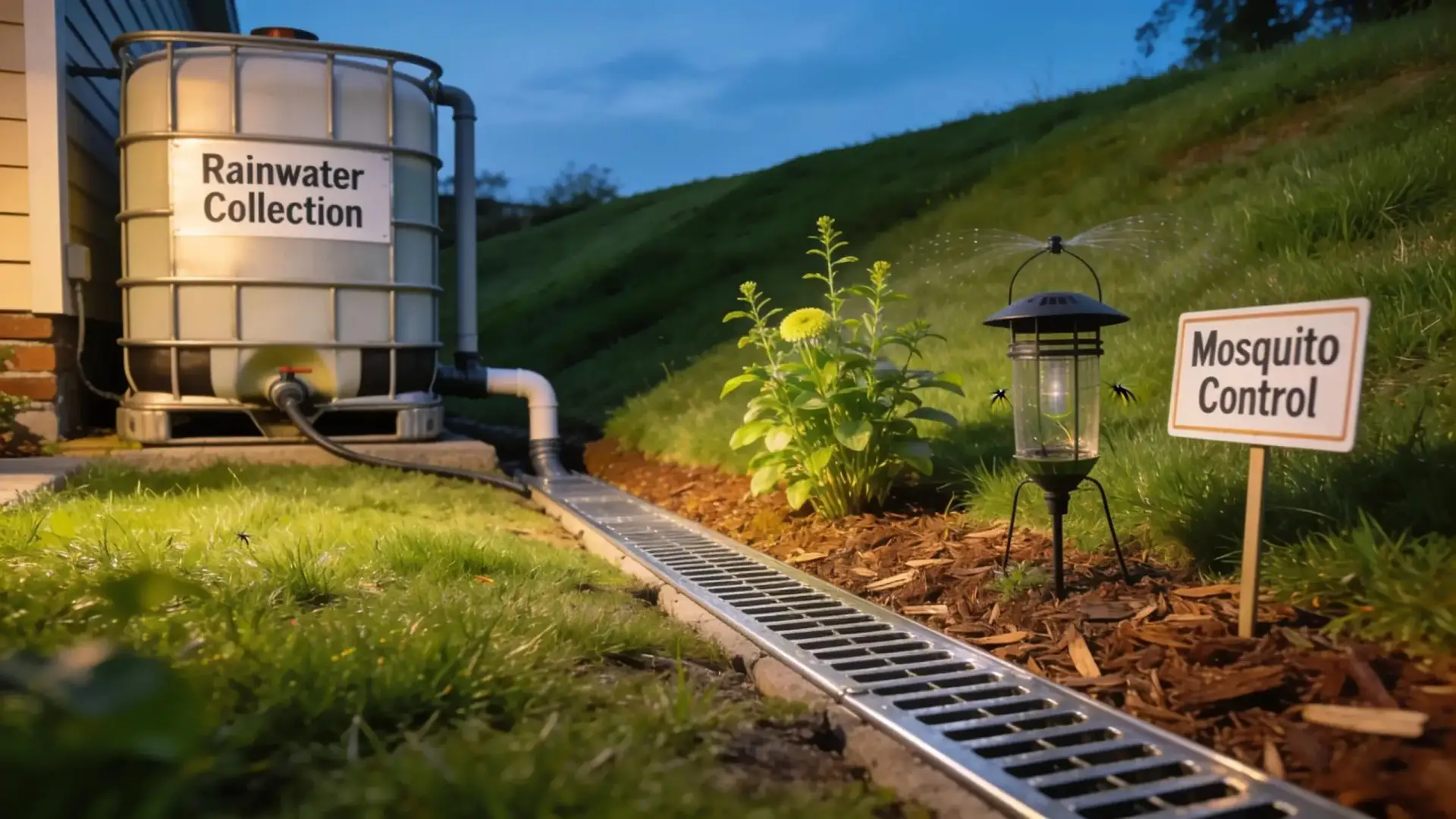
- Eliminate standing water and maintain gutters to reduce mosquito breeding habitat.
- Store food and waste securely and minimize exterior attractants like bird seed or pet food.
Taking these simple steps lowers pest pressure and supports any sustainable treatment plan implemented by a professional.
This article has outlined practical comparisons, IPM basics, eco-friendly options, local implementation examples, and provider features to help Ackworth residents choose safer pest management. For tailored guidance, estimates, or to review environmentally responsible mosquito and natural pest management options, consult the local provider information available from Covenant Pest Services via their published resources.